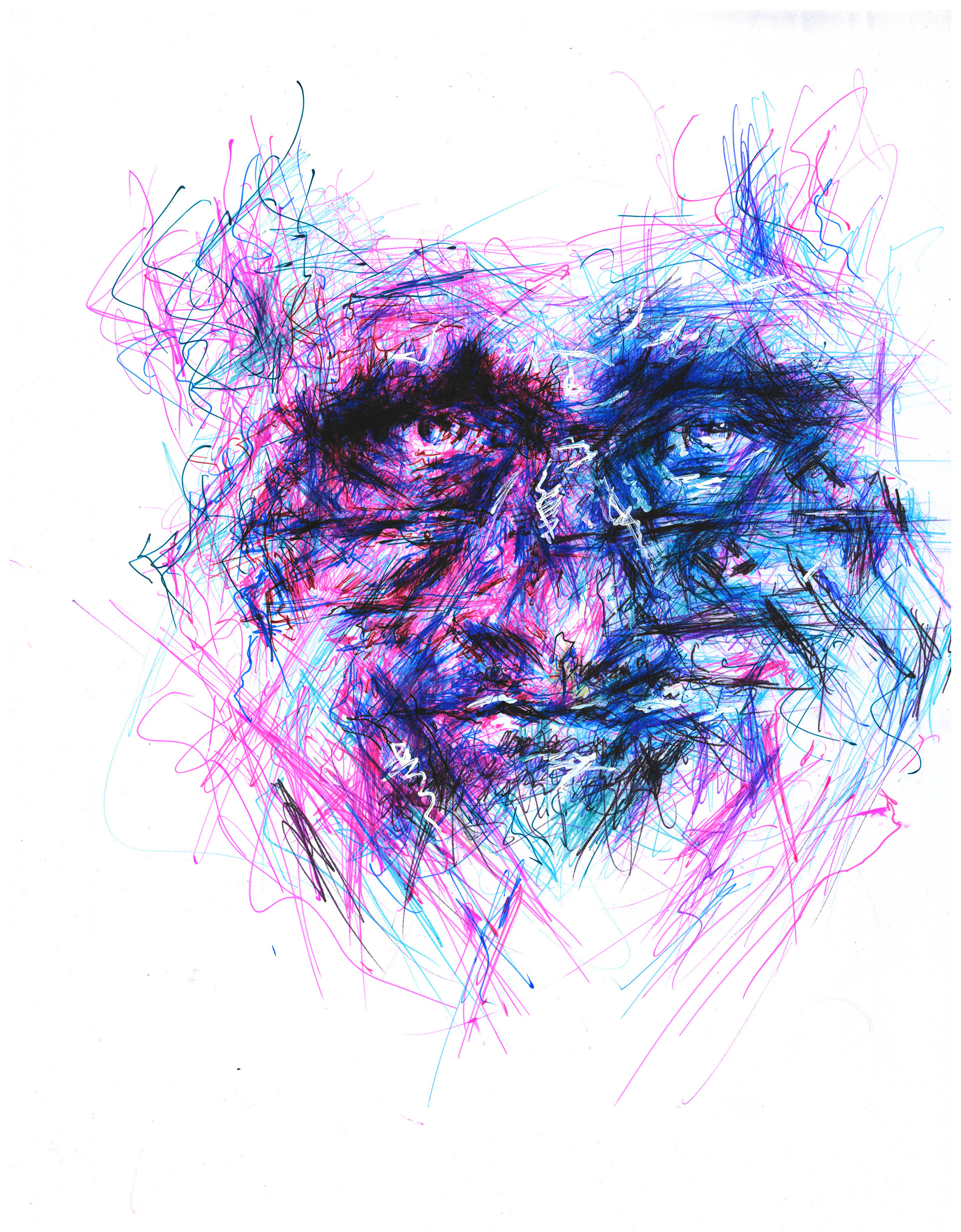
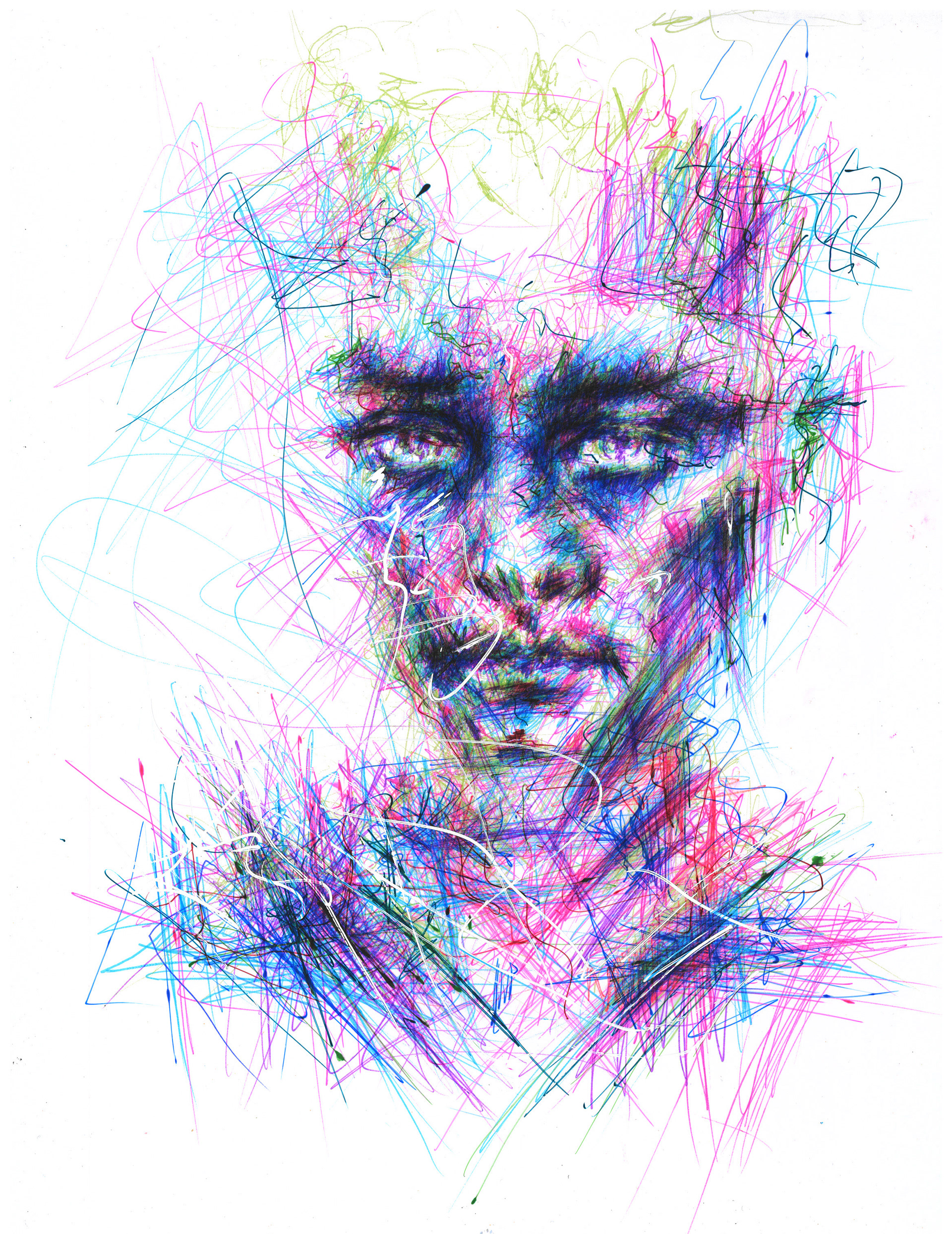
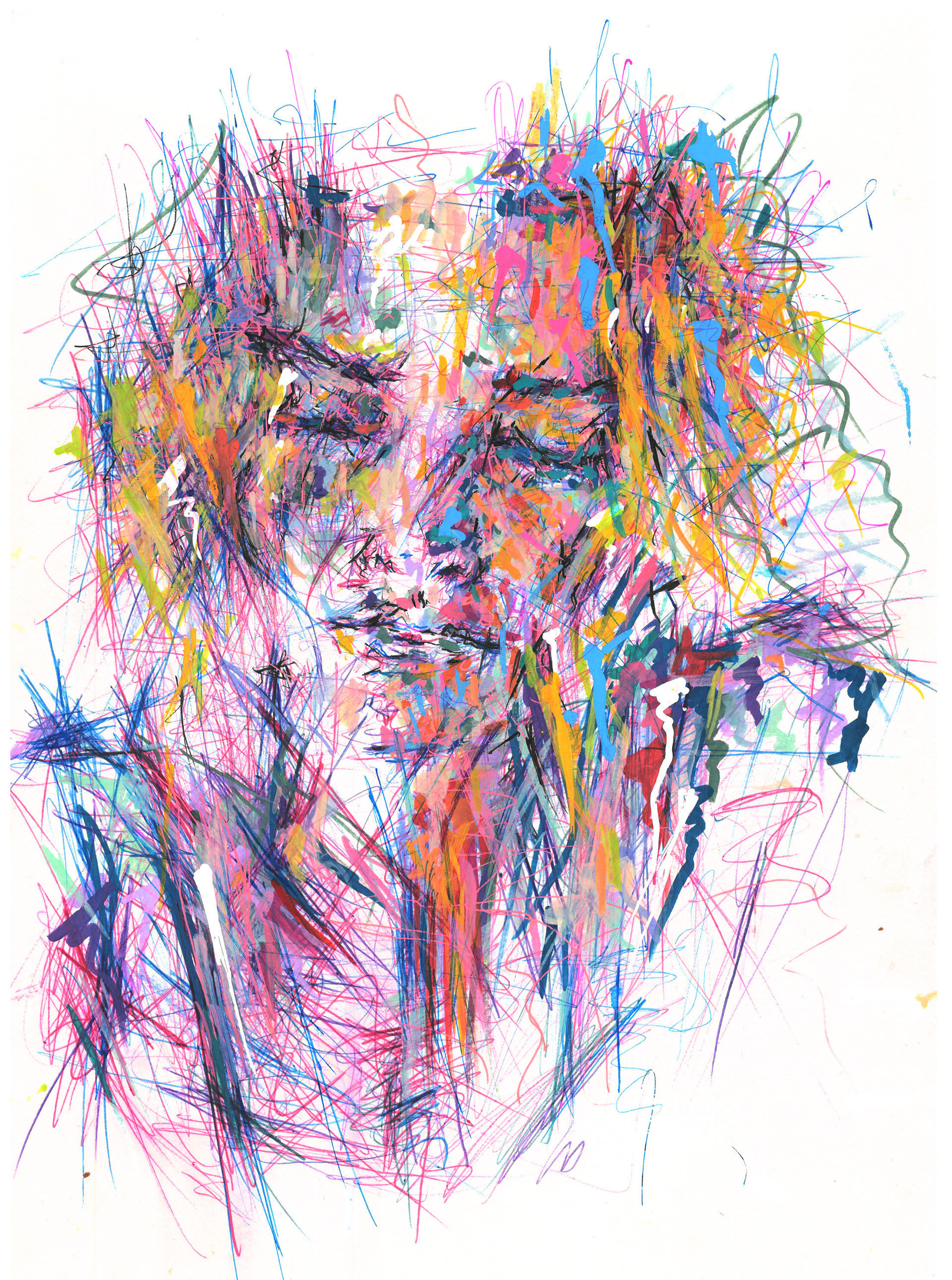
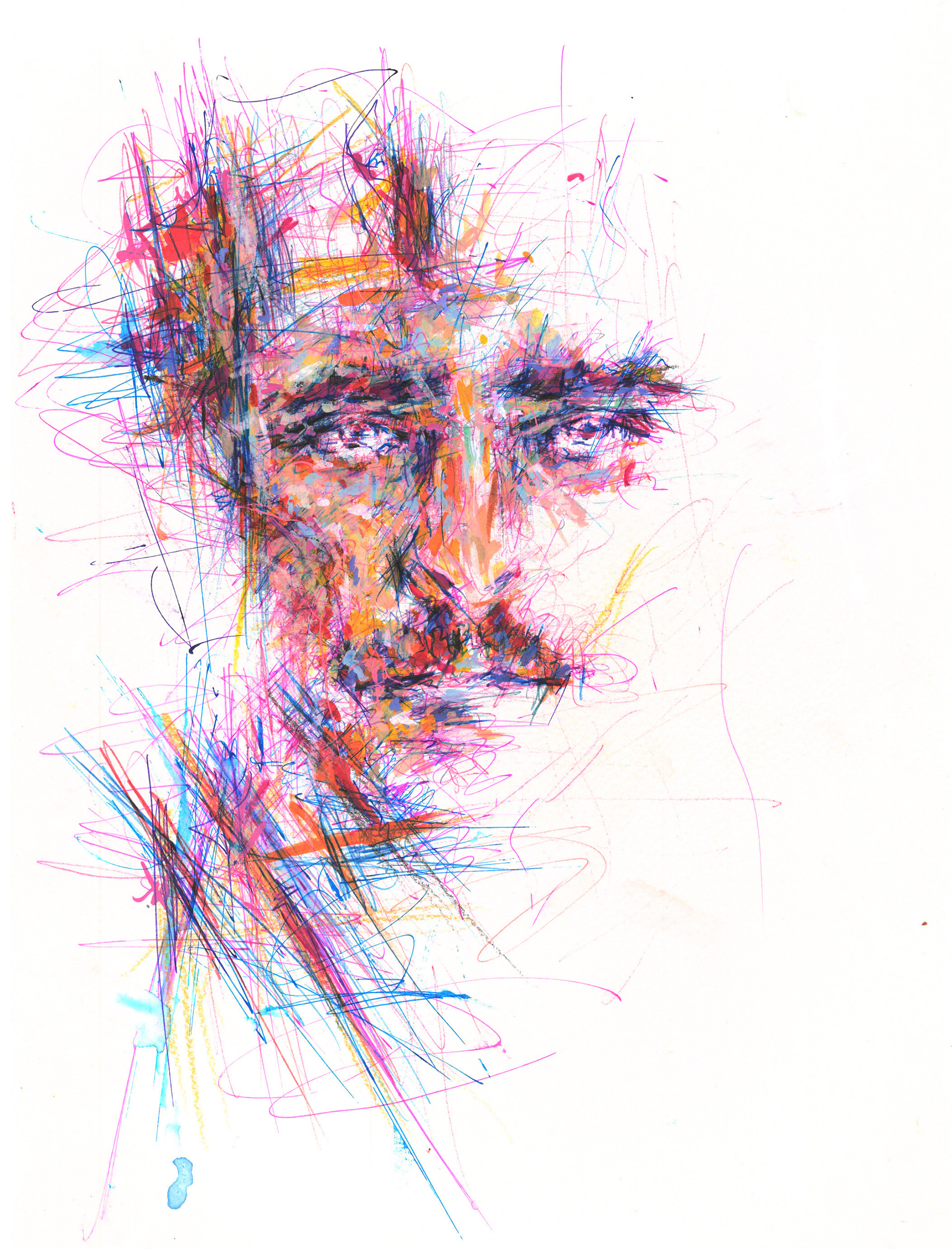
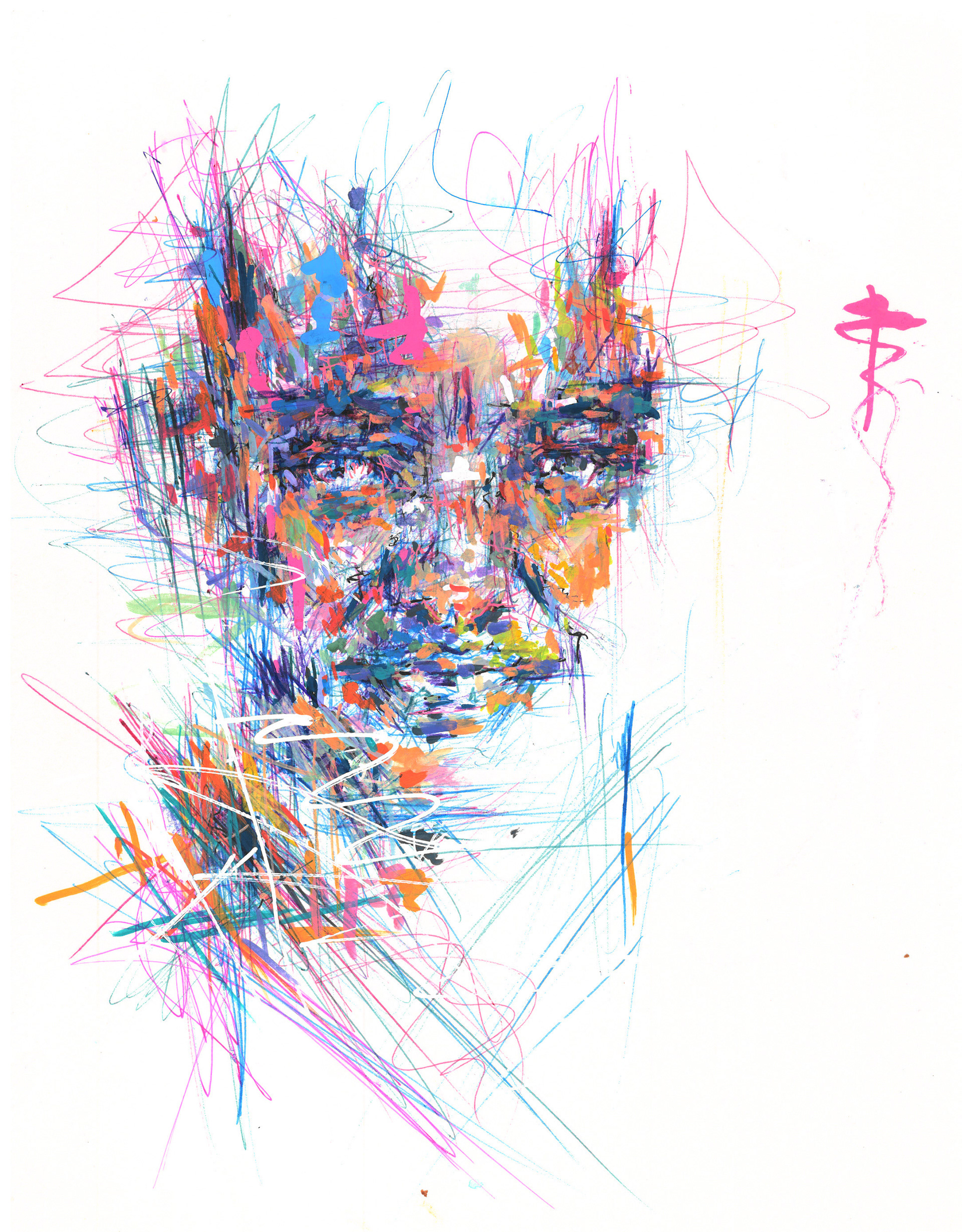
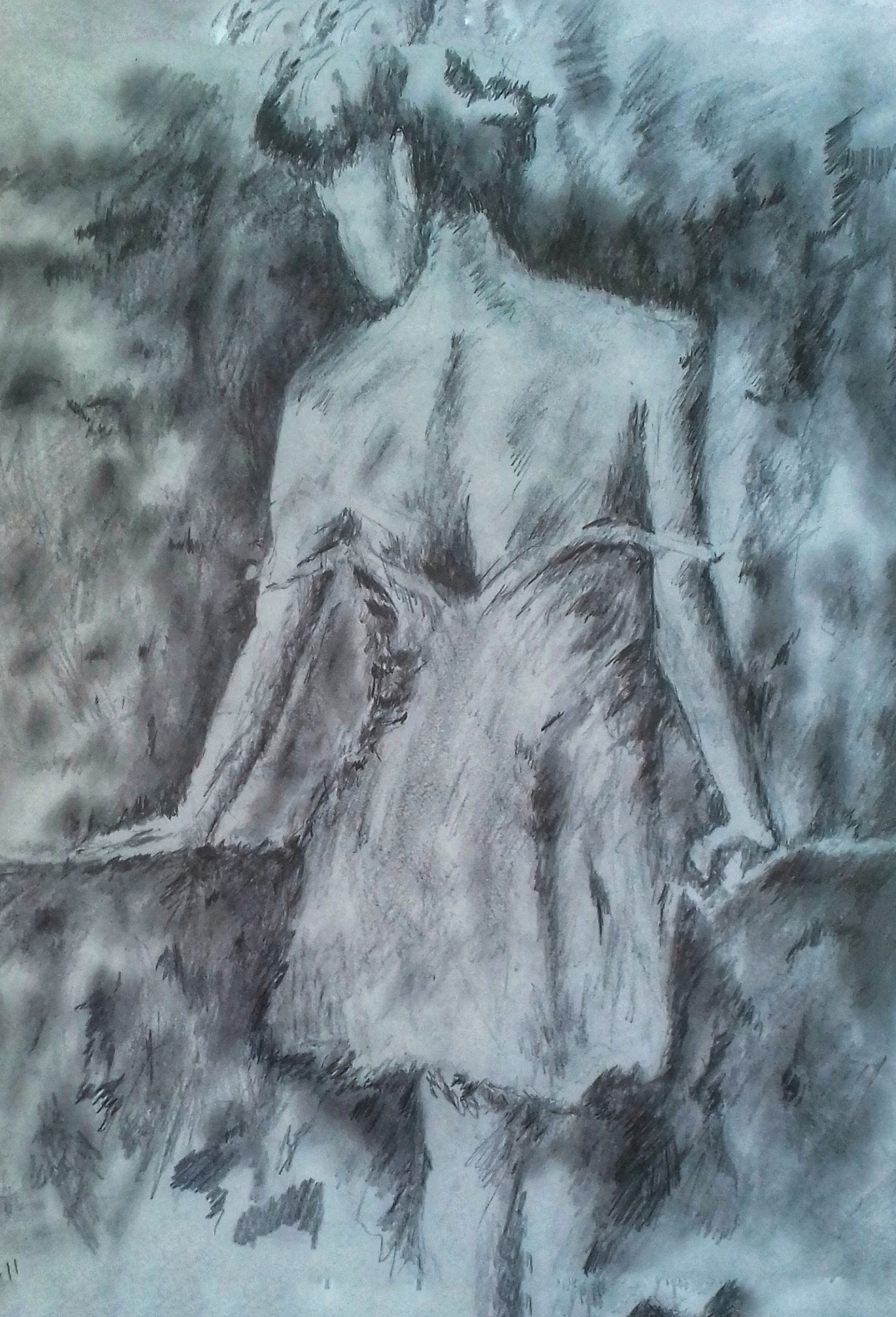
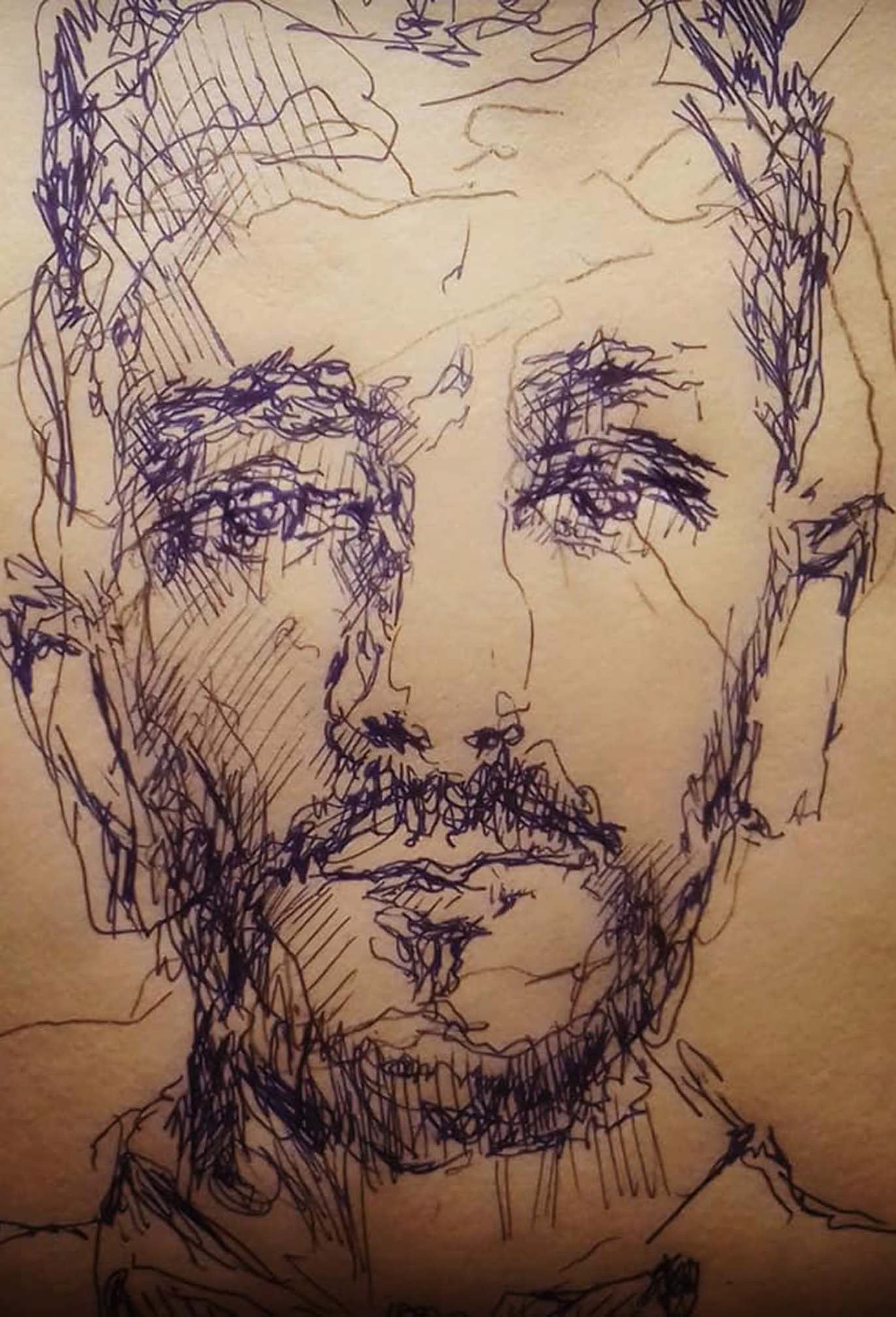
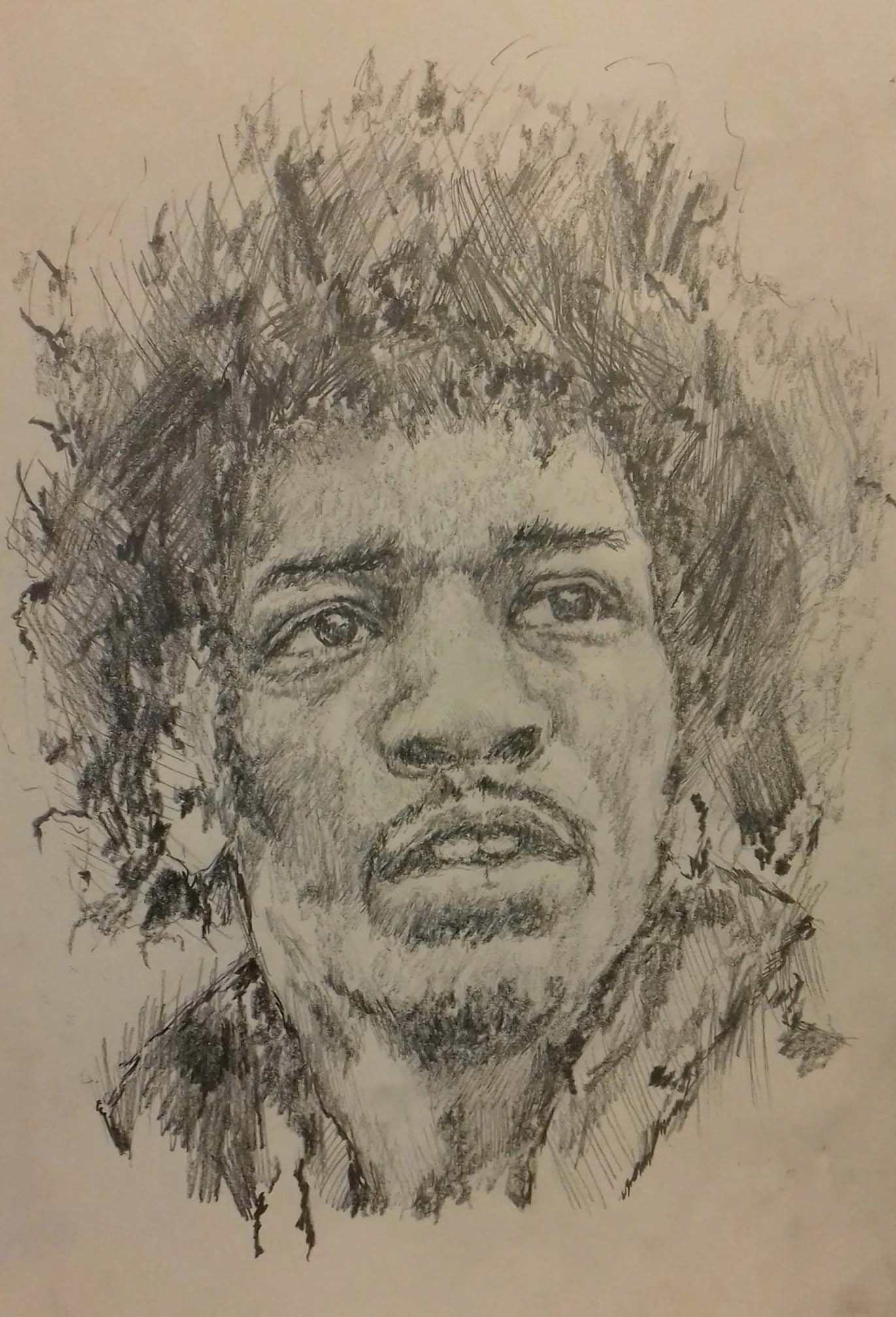
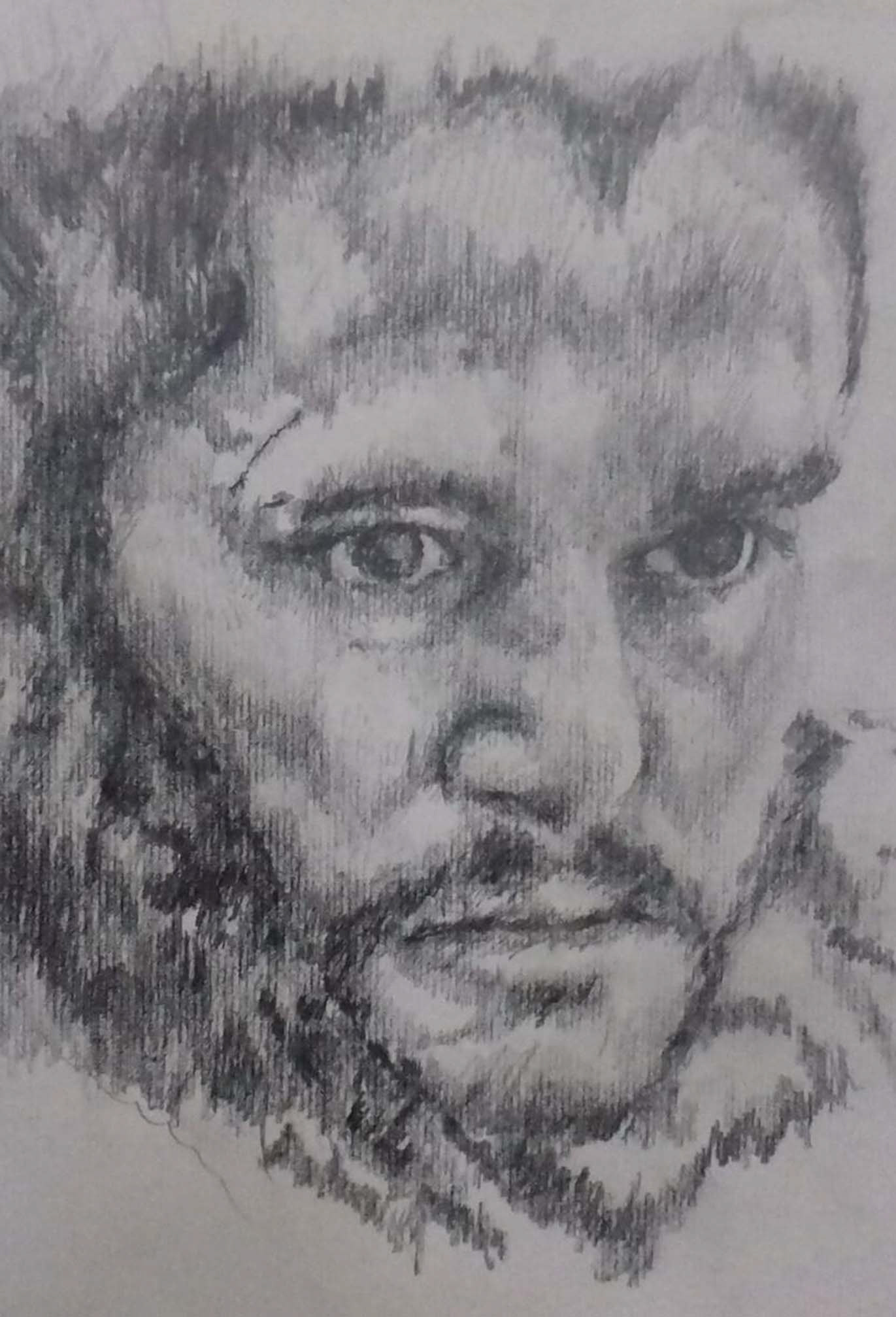
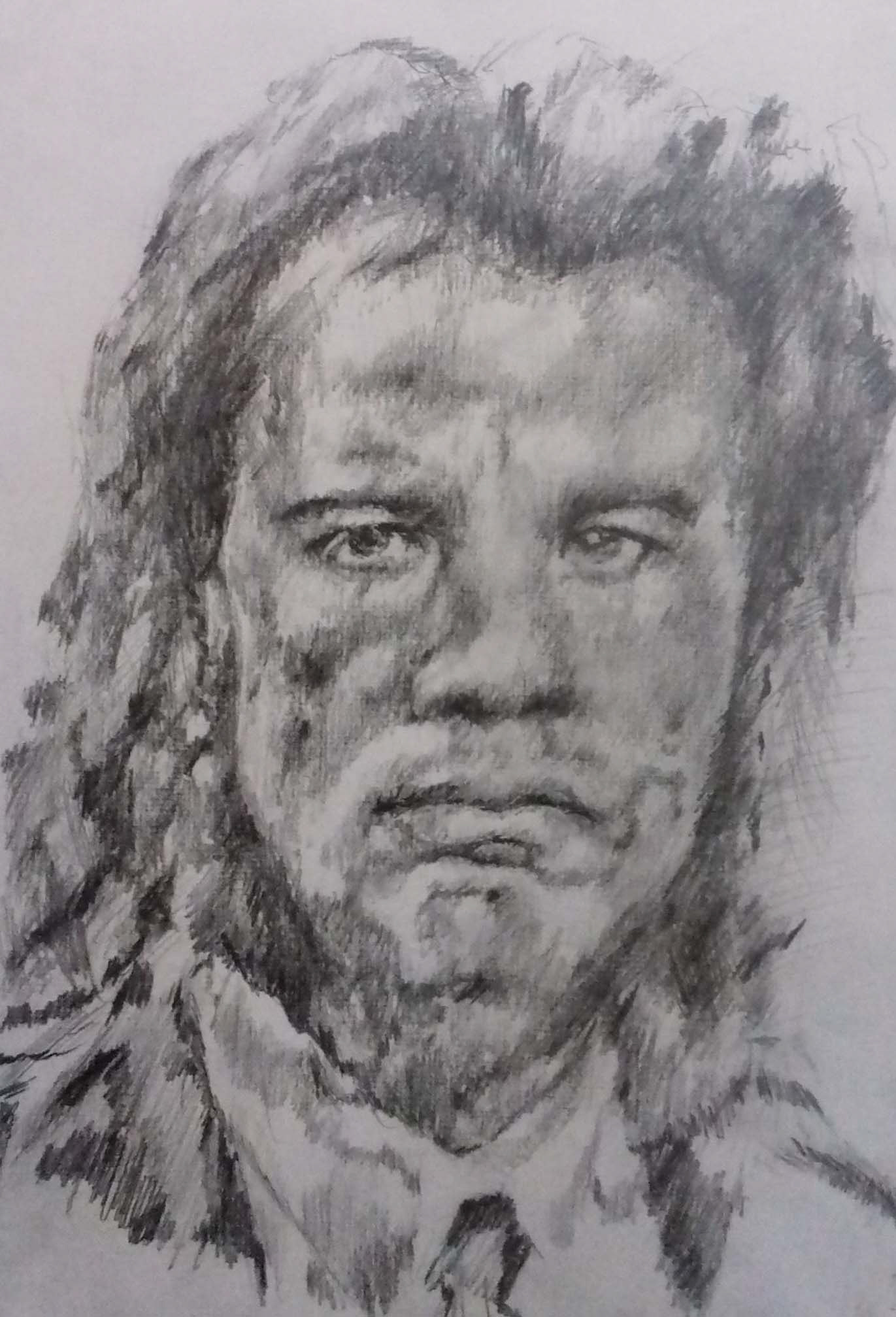
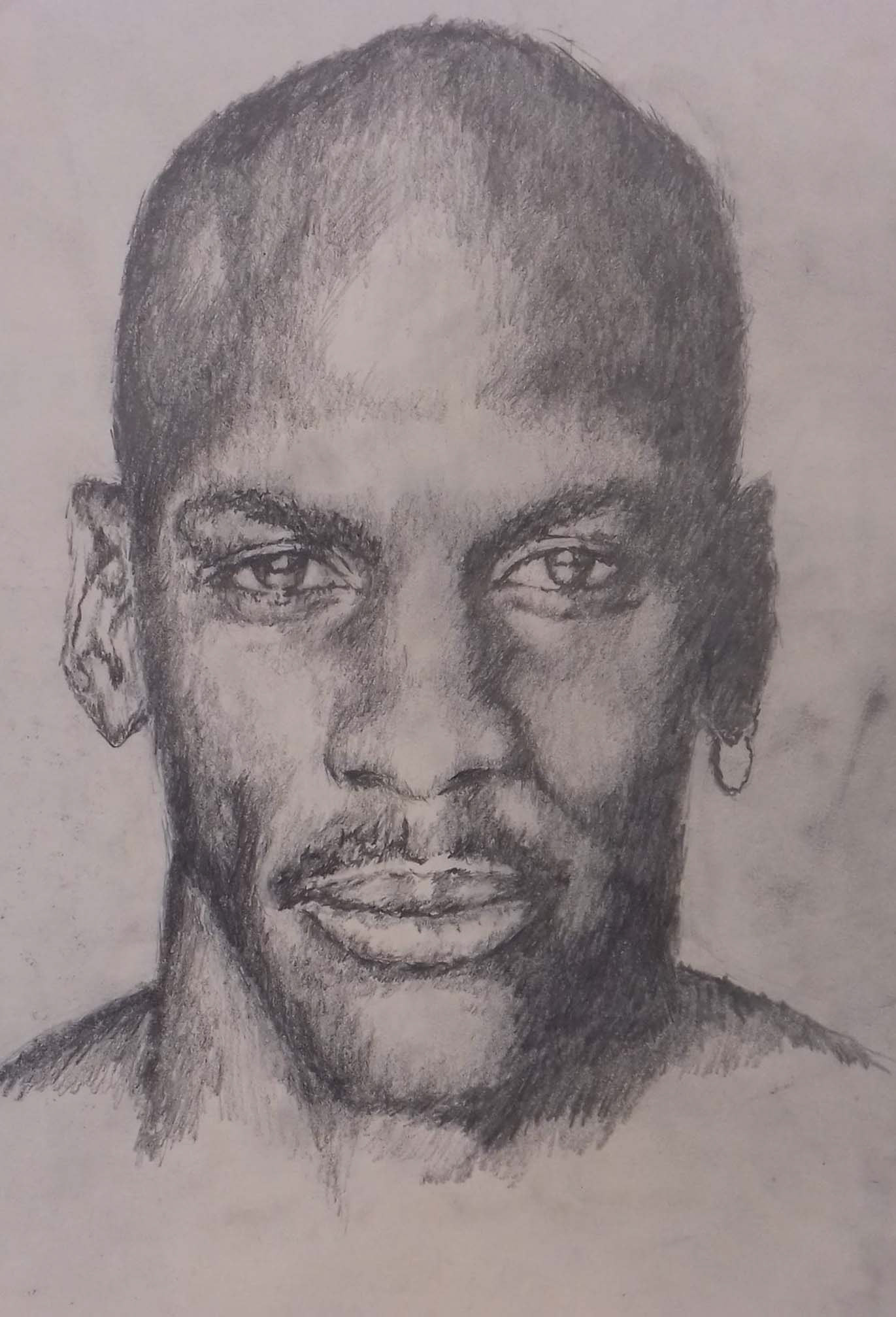
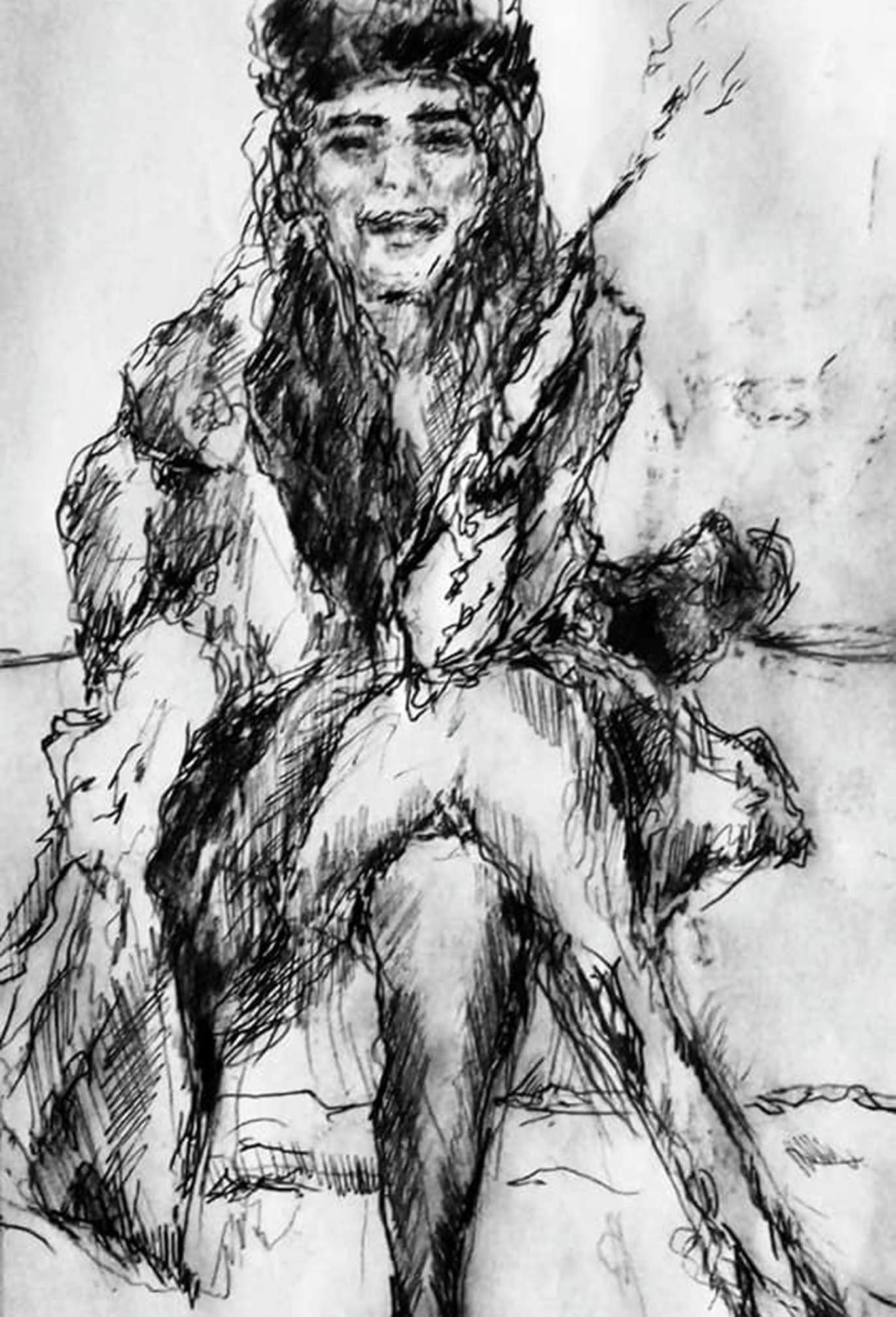
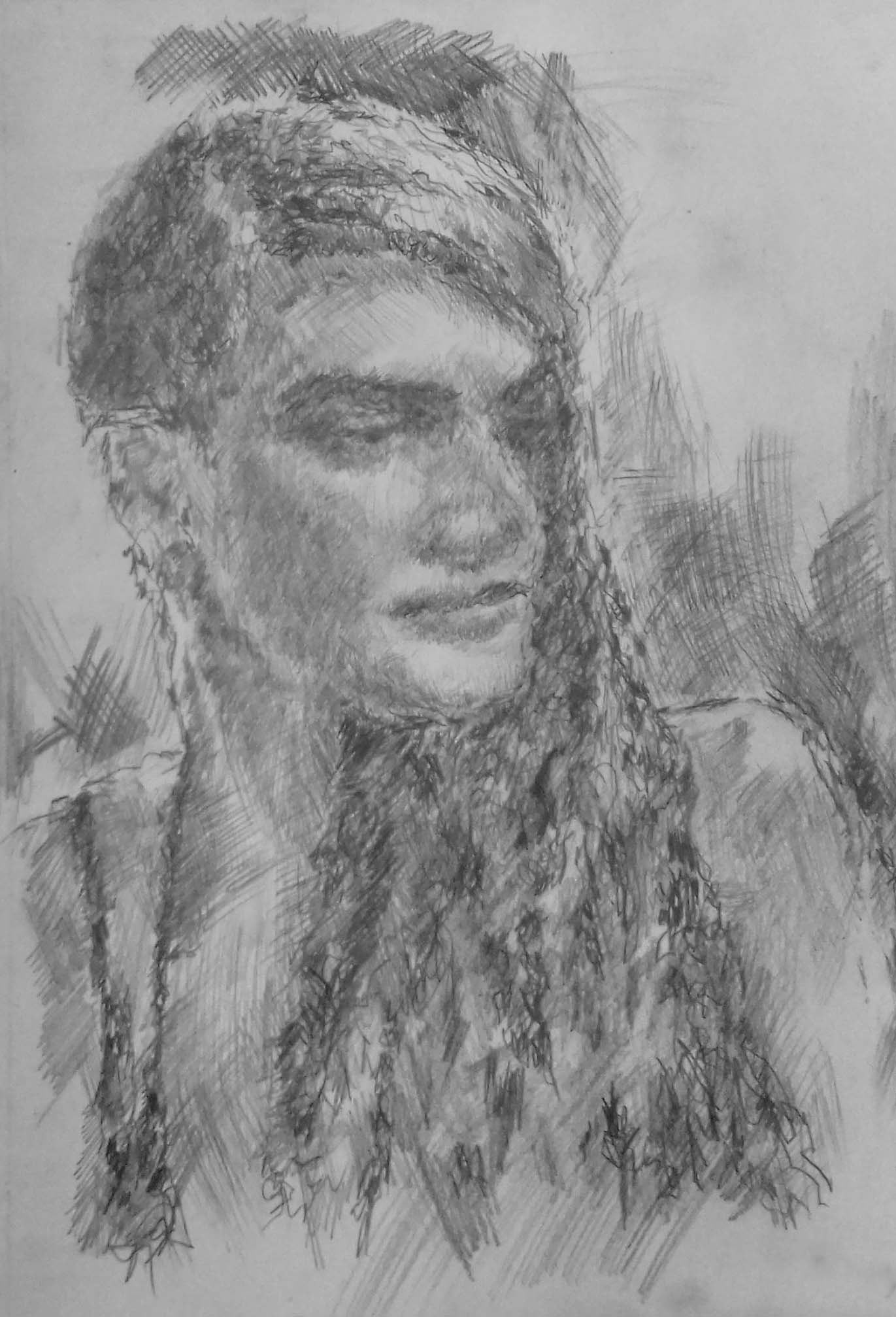
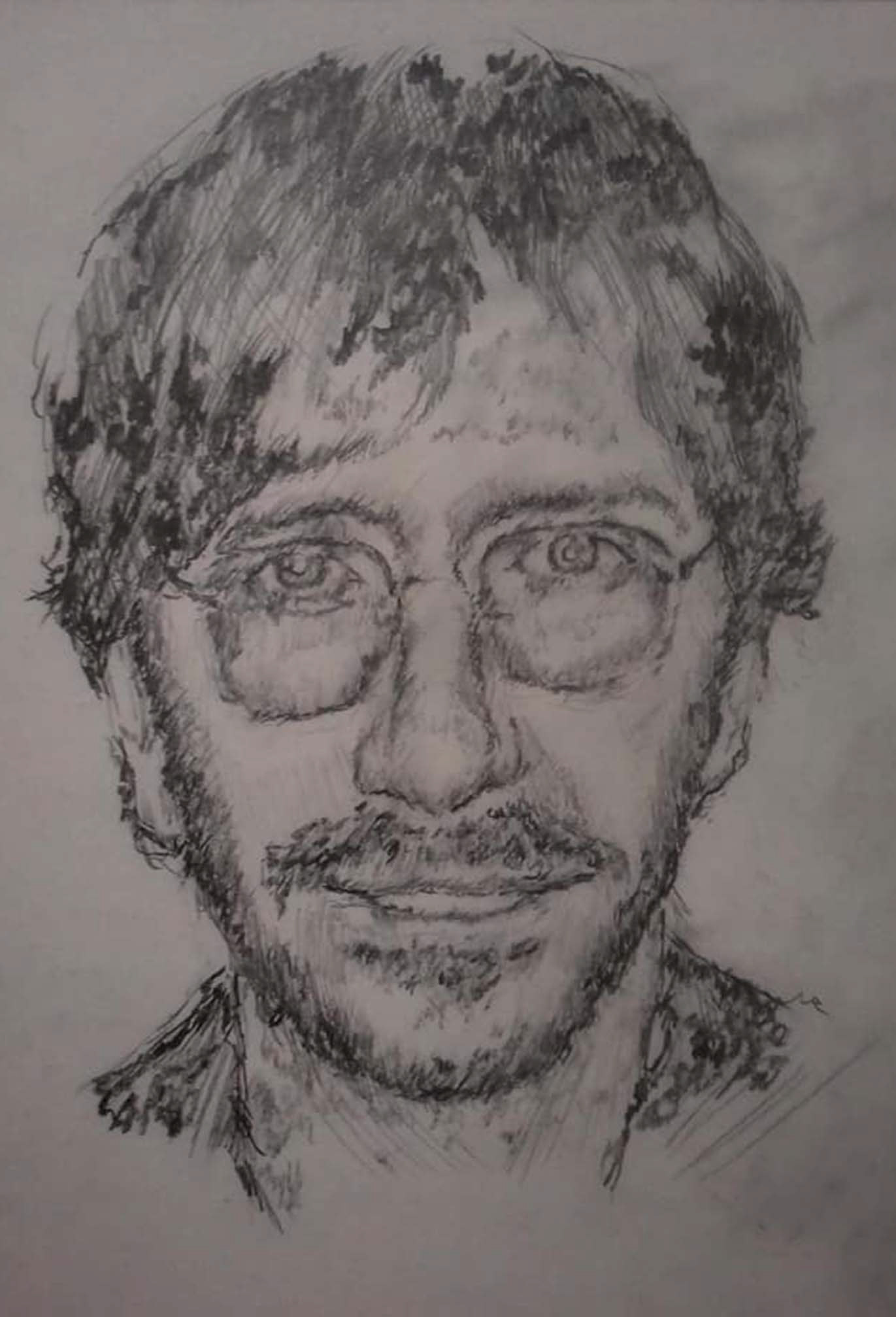
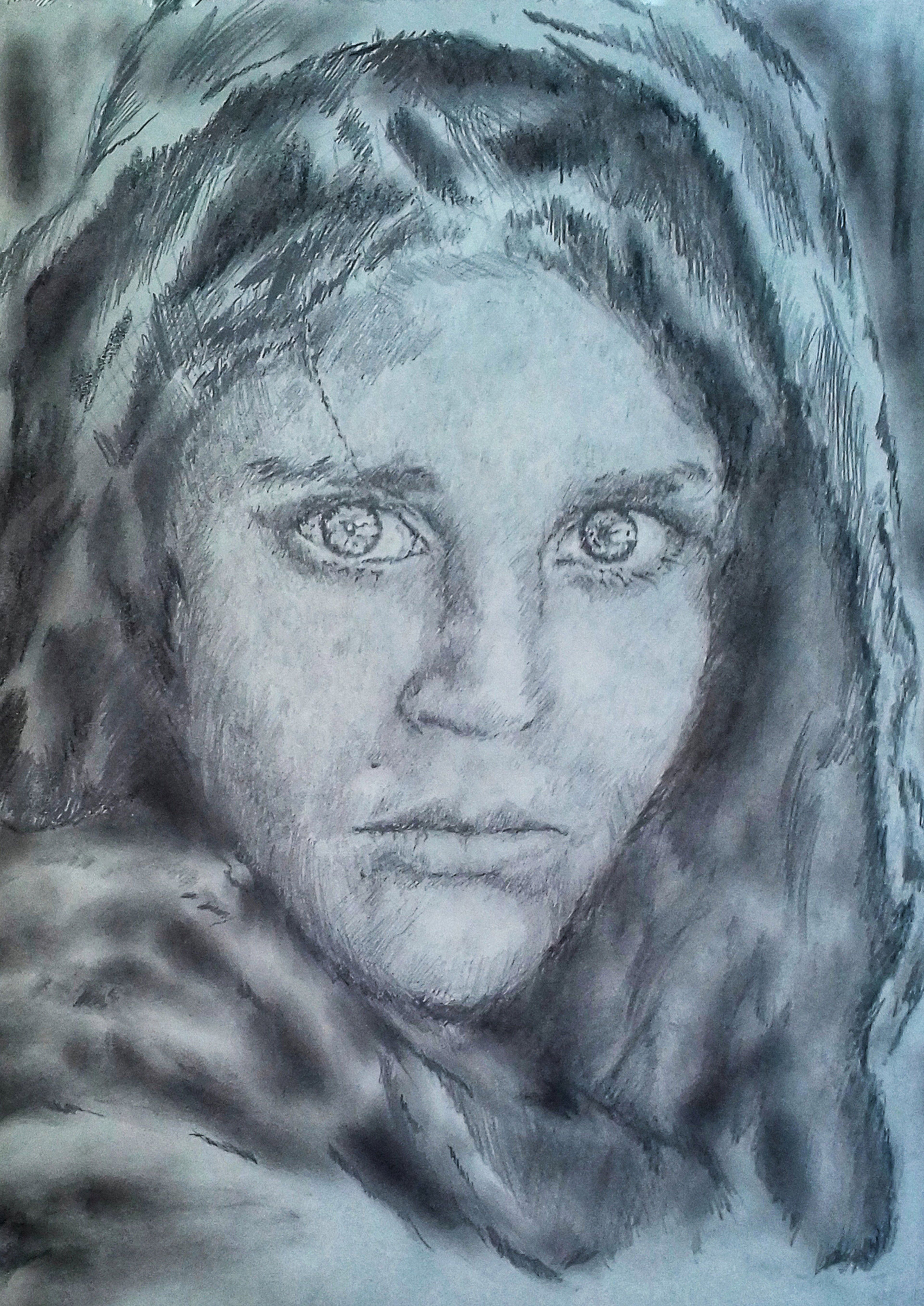
Vincent’s portraits are drawn entirely in pen, without pencil, projection, measurement, or erasure. Each mark is permanent. Each line must be accepted, answered, and built upon. What begins as a field of restless scribbles gradually becomes a face, a presence, a life emerging from disorder.
This permanence is central to Vincent’s work. For him, pen is not simply a medium, but a philosophy. Like the choices we make in life, every stroke remains. Mistakes cannot be removed, only transformed. His portraits embrace this truth: that beauty is not created by avoiding chaos, but by continuing through it.
The fragmented nature of his portraits is equally intentional. Vincent often leaves portions of the face, hair, or form unfinished. These gaps suggest the parts of ourselves we hide from others, the parts we do not fully understand, and the mysteries that make a person impossible to completely know. In his work, absence is not emptiness. It is tension, privacy, ambiguity, and invitation.
Vincent’s relationship with art began in an unlikely place. After losing his passport and belongings in Sicily, he found himself homeless in Taormina. In the middle of that disorienting chapter, he encountered art for the first time. What seemed, in the moment, like catastrophe became the doorway to an entirely new life. That experience now lives inside the language of his drawings: chaotic lines that, from a distance, reveal something whole.
Through Vincent's scribbles, the portrait becomes more than likeness. It becomes evidence of survival, uncertainty, and transformation. His work asks the viewer to look closer, then step back. To see the disorder, then the image. To recognize that what appears broken, unfinished, or accidental may be part of a larger beauty still coming into focus.
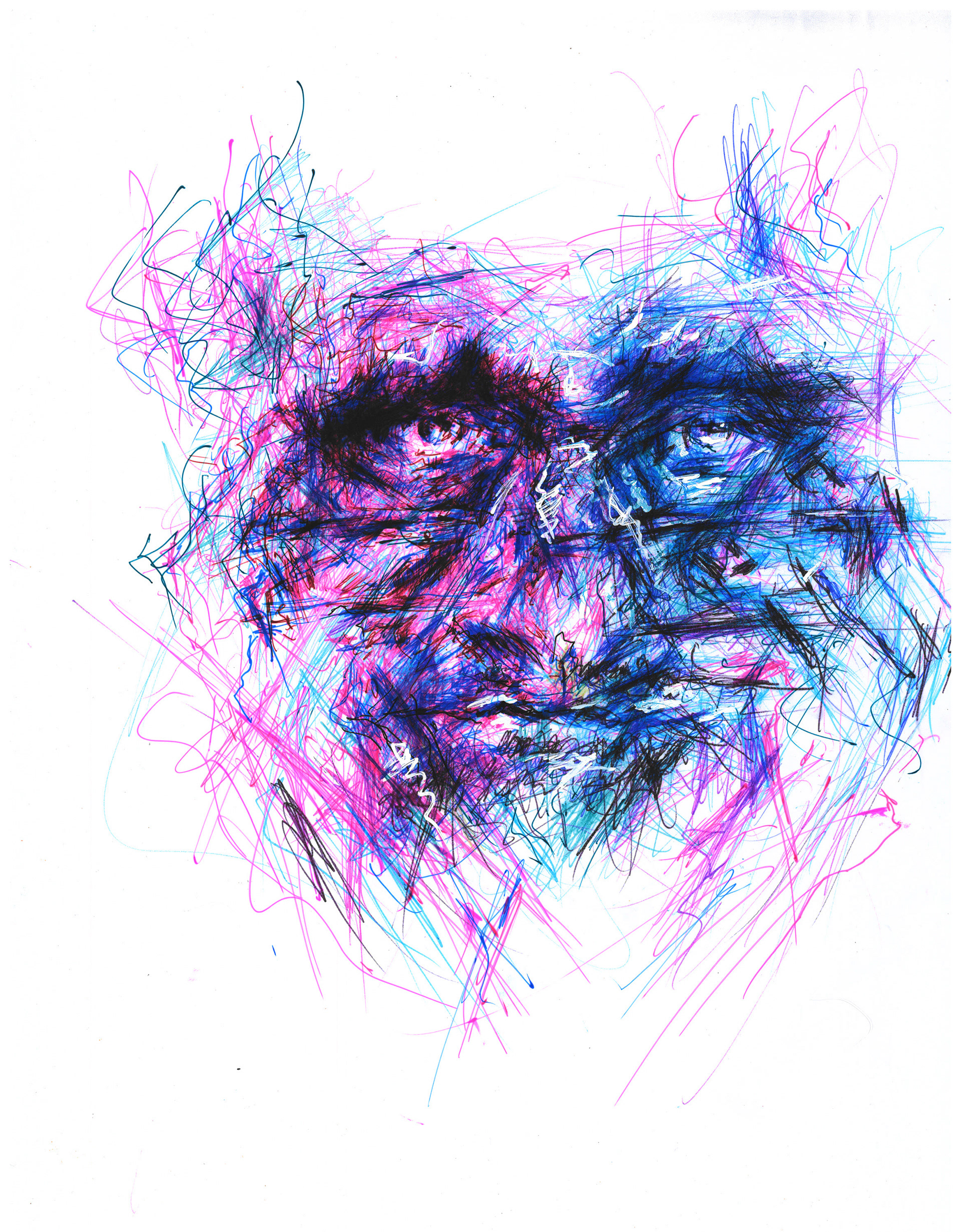
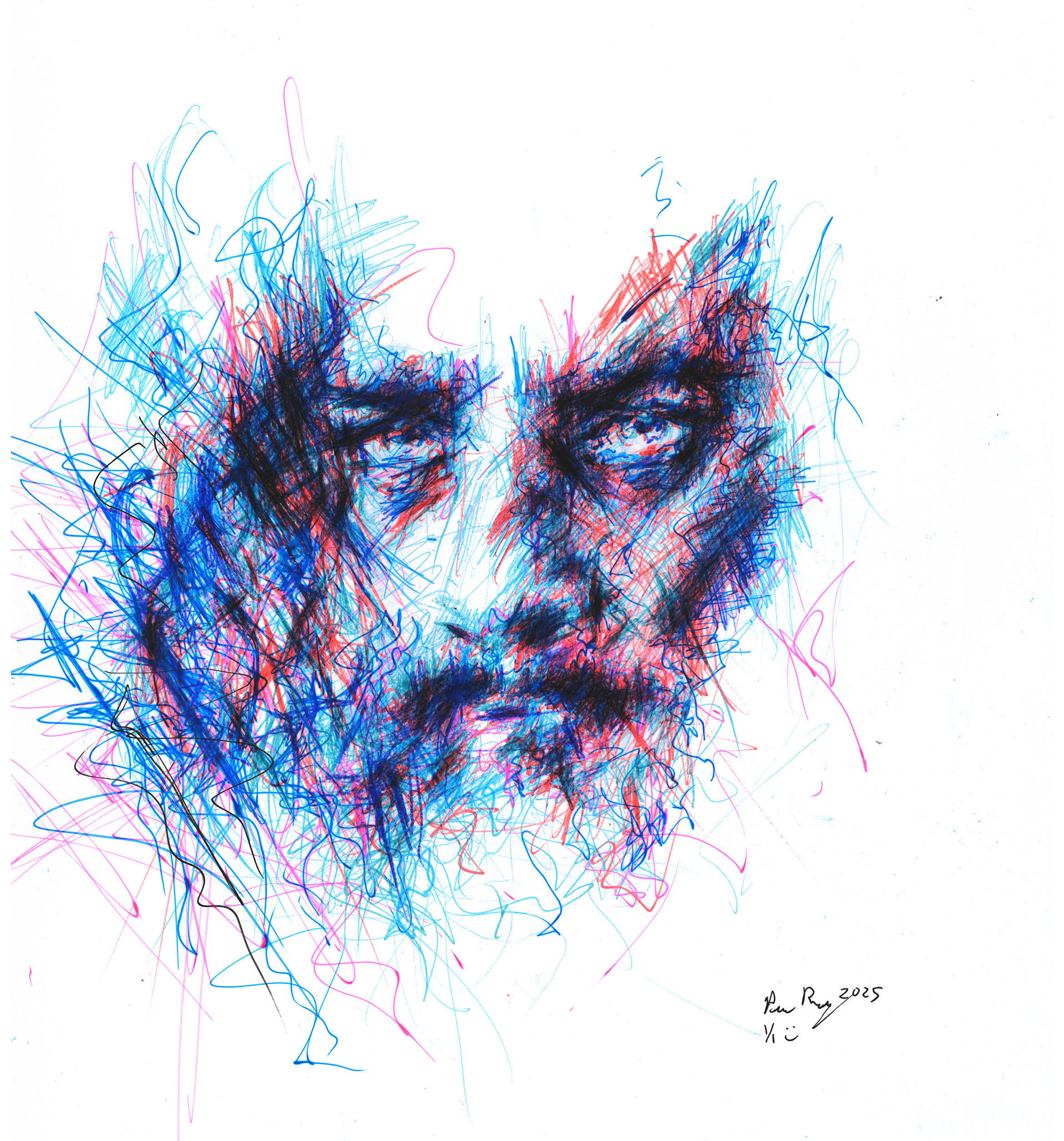
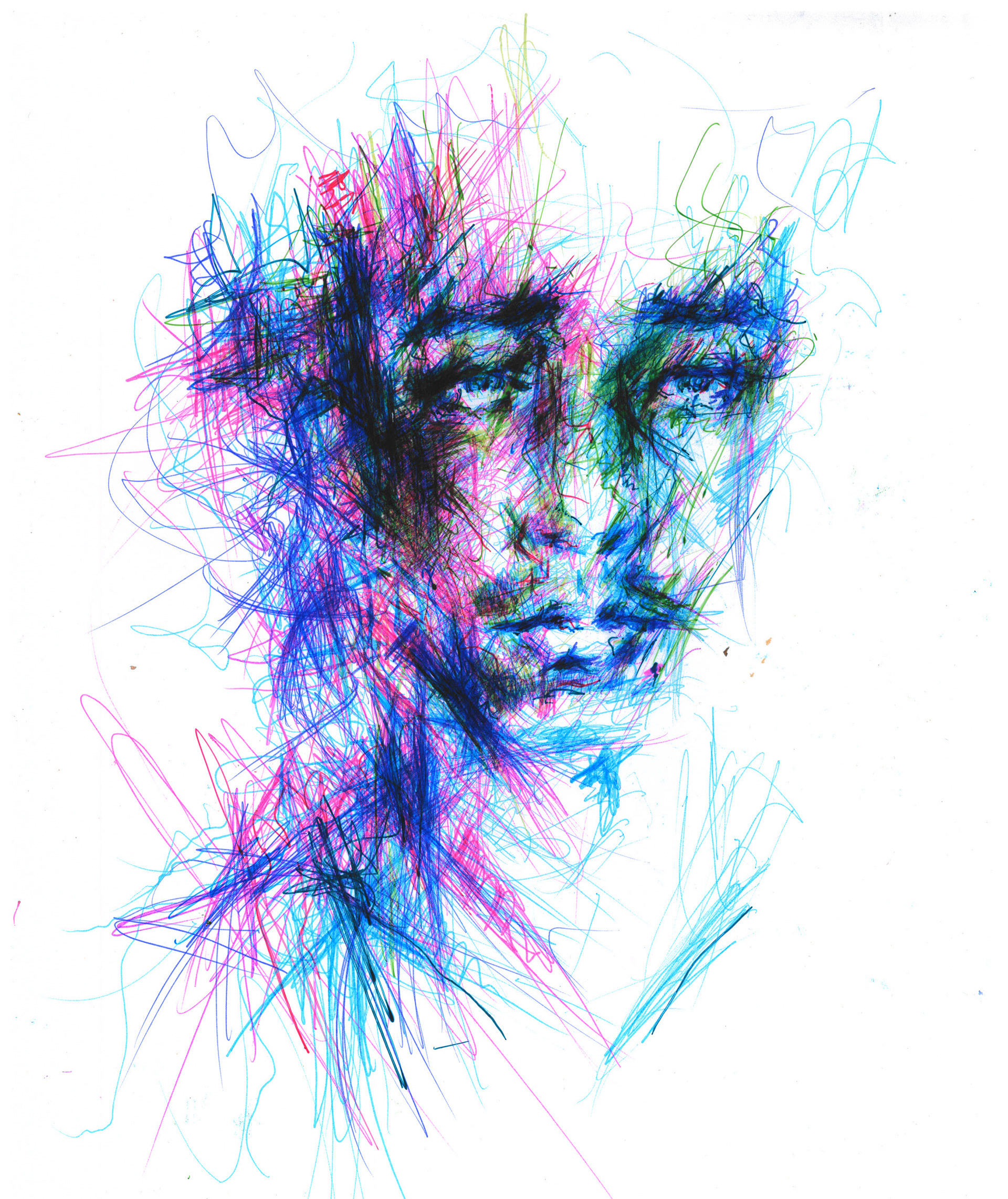
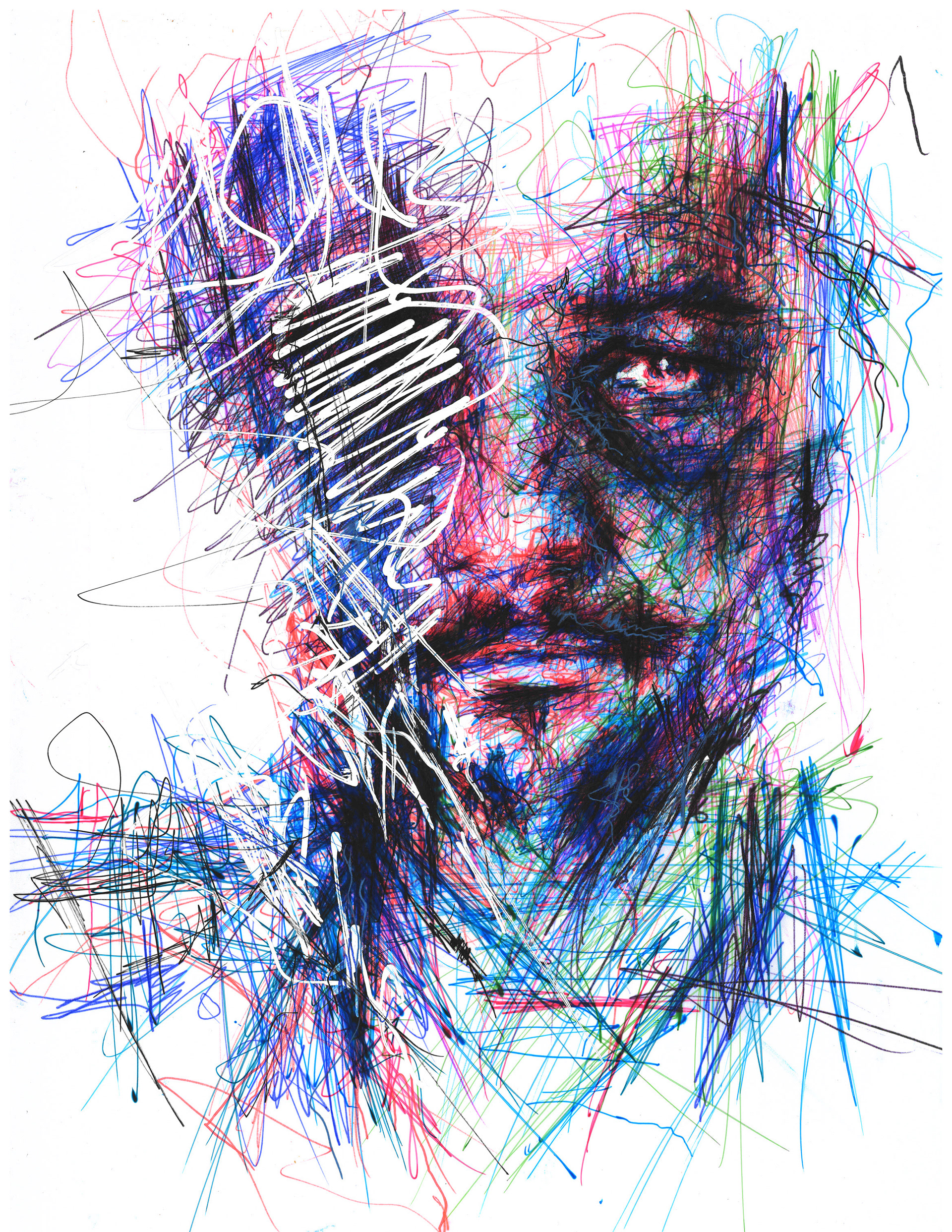
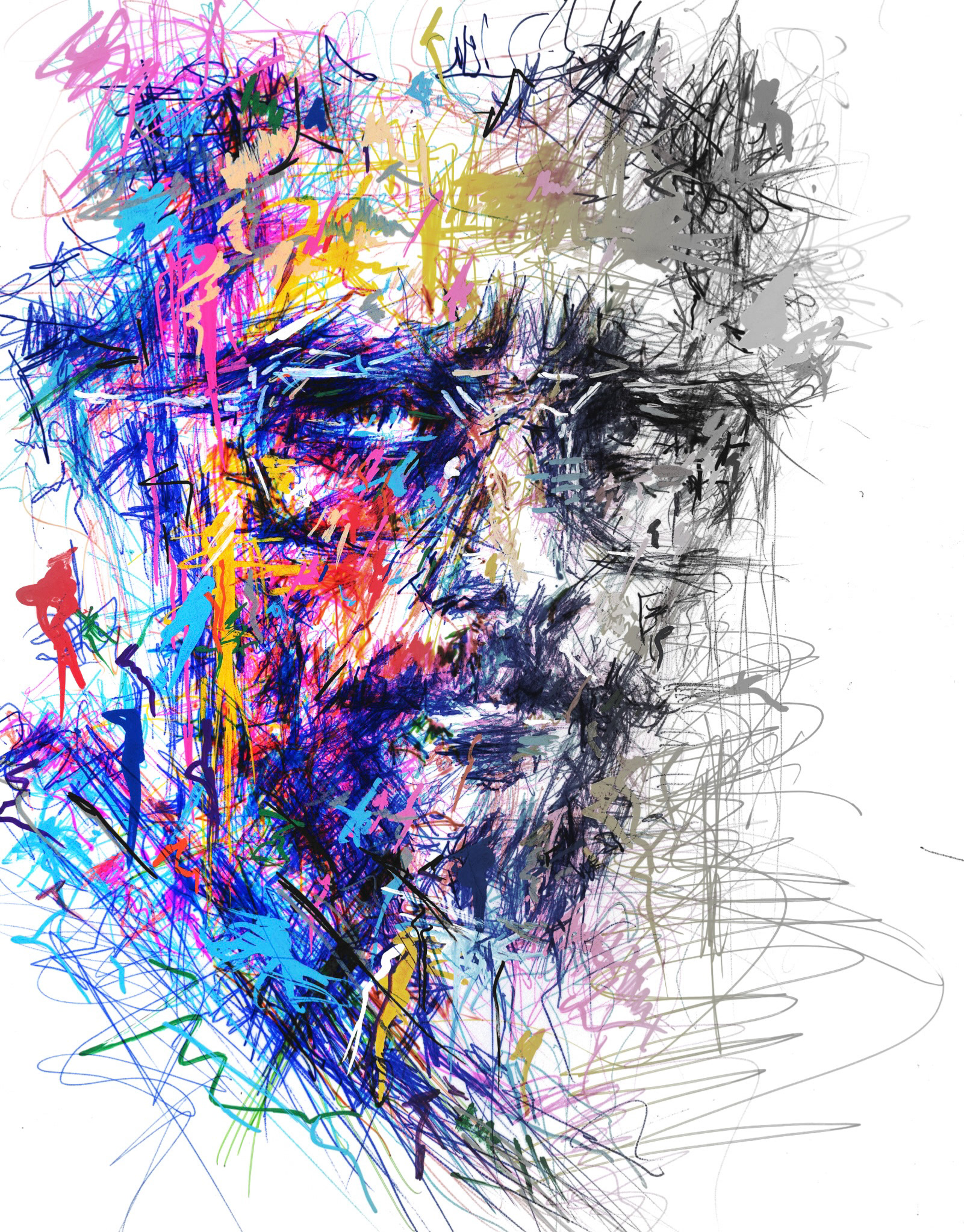
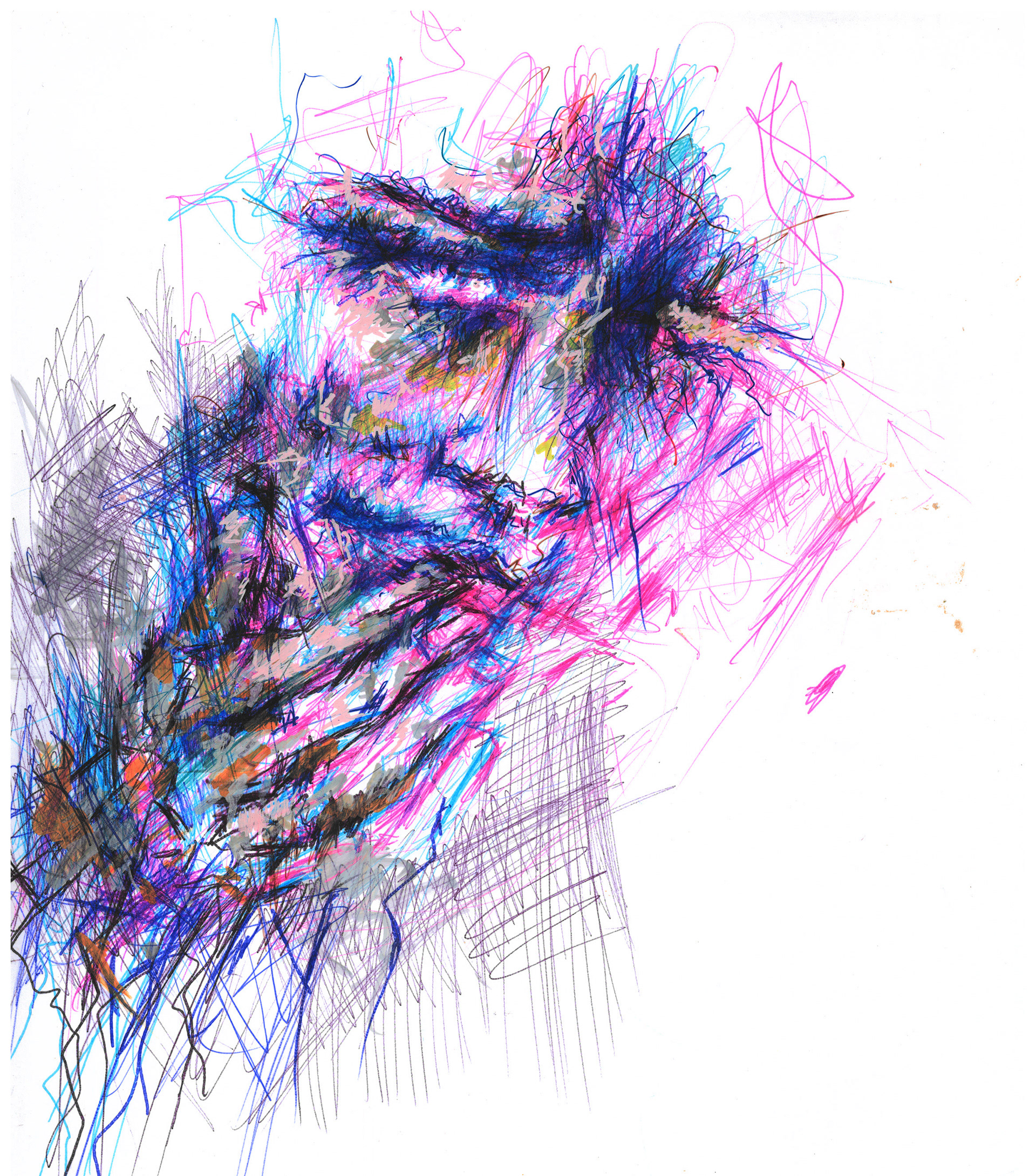
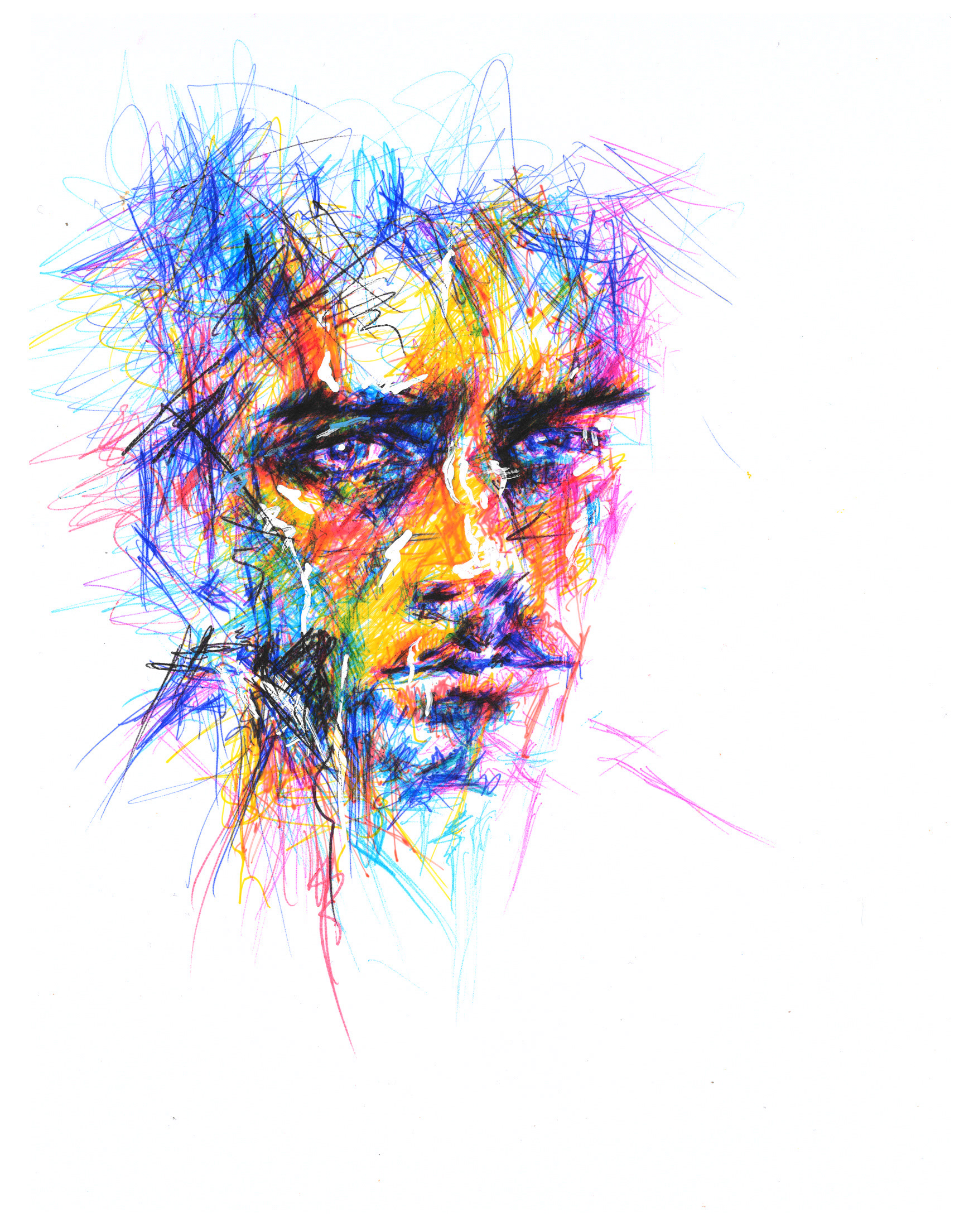
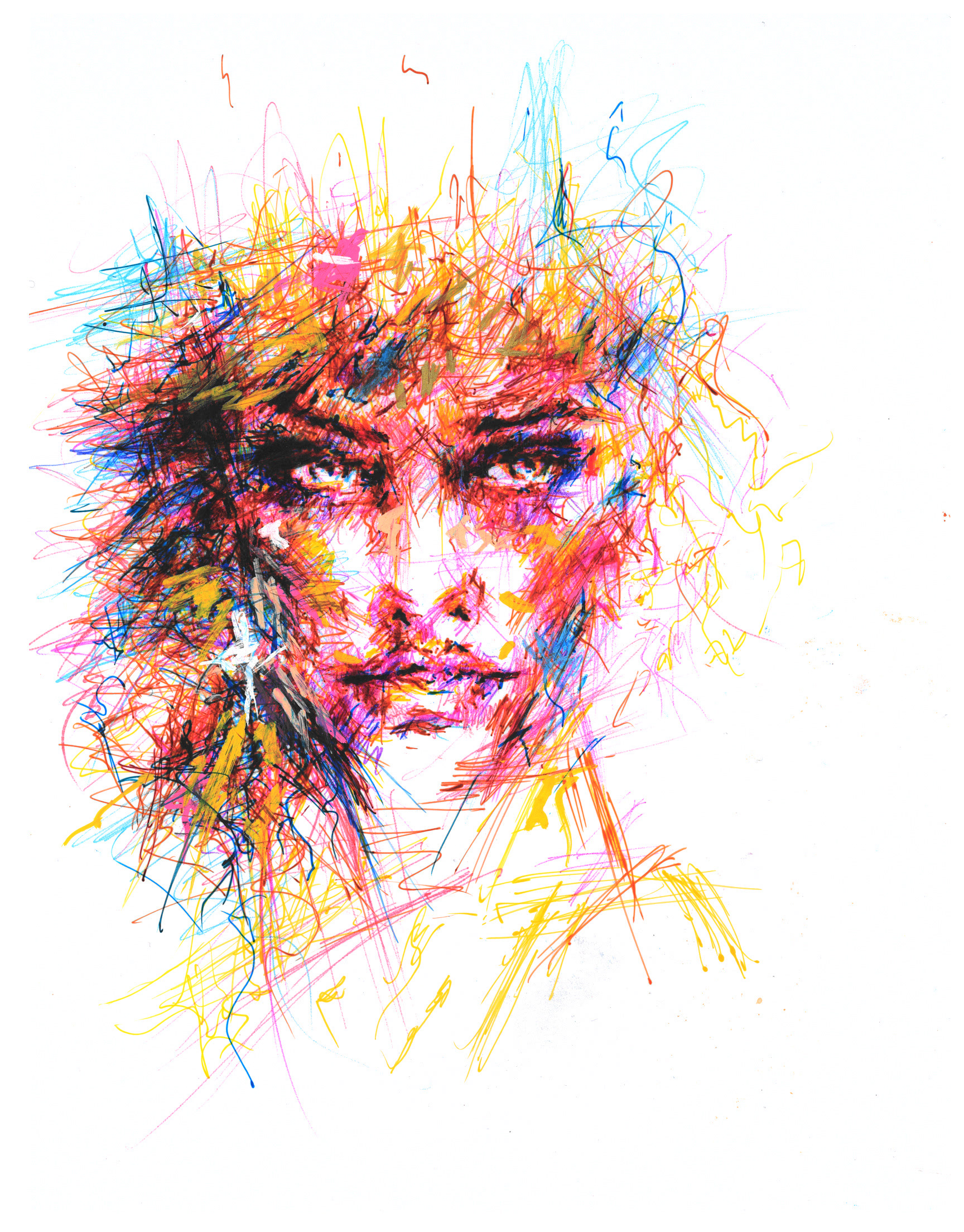
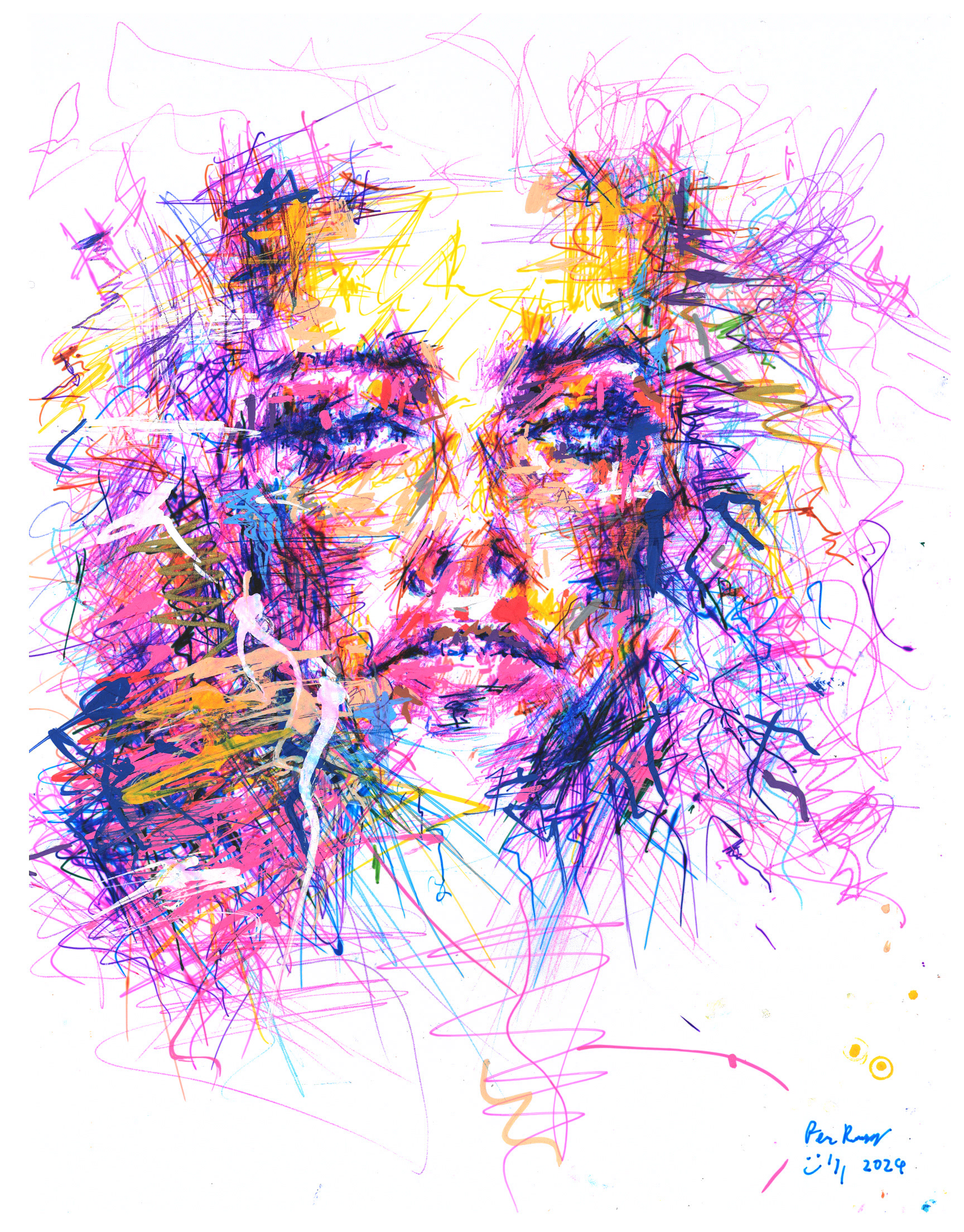
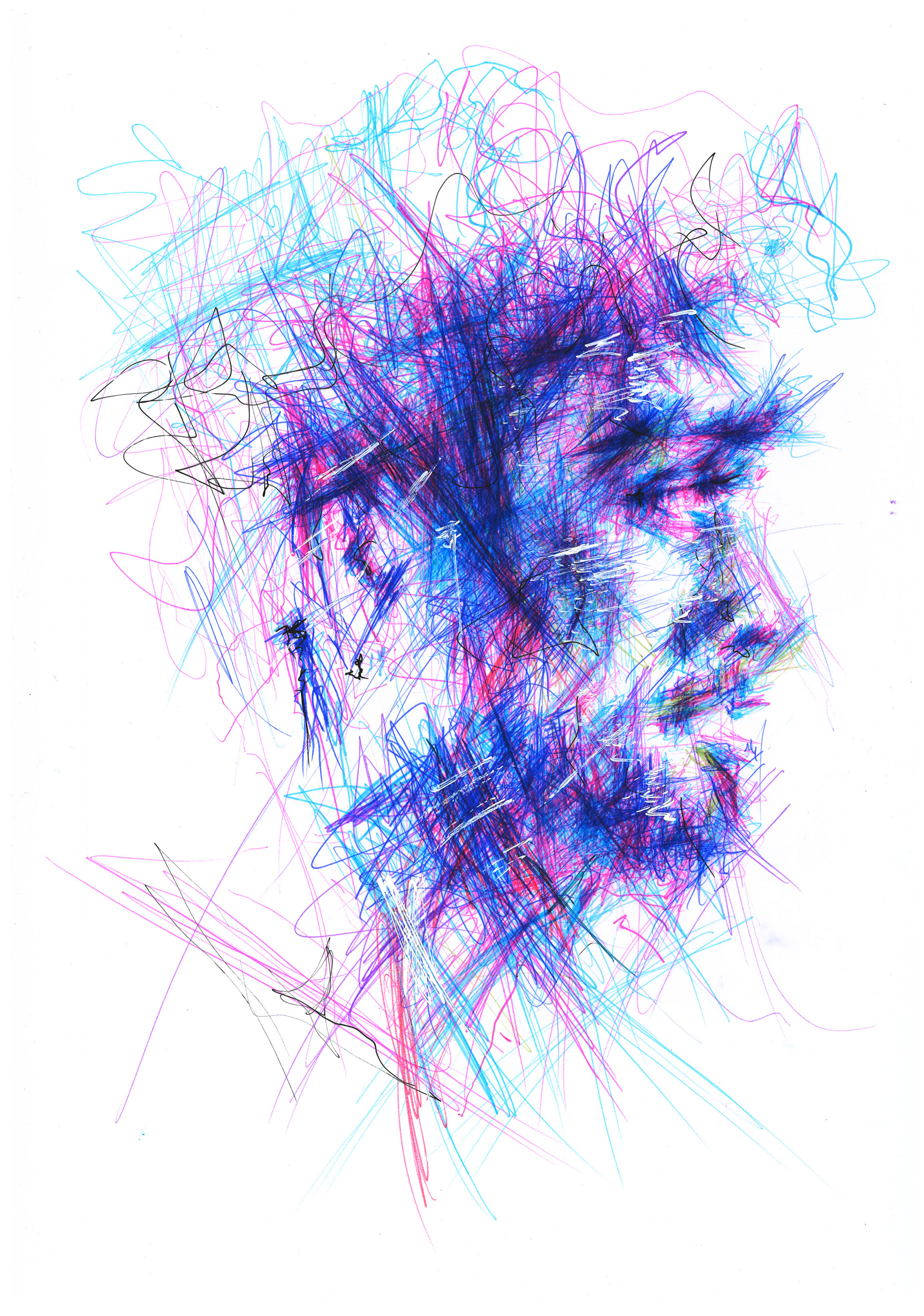
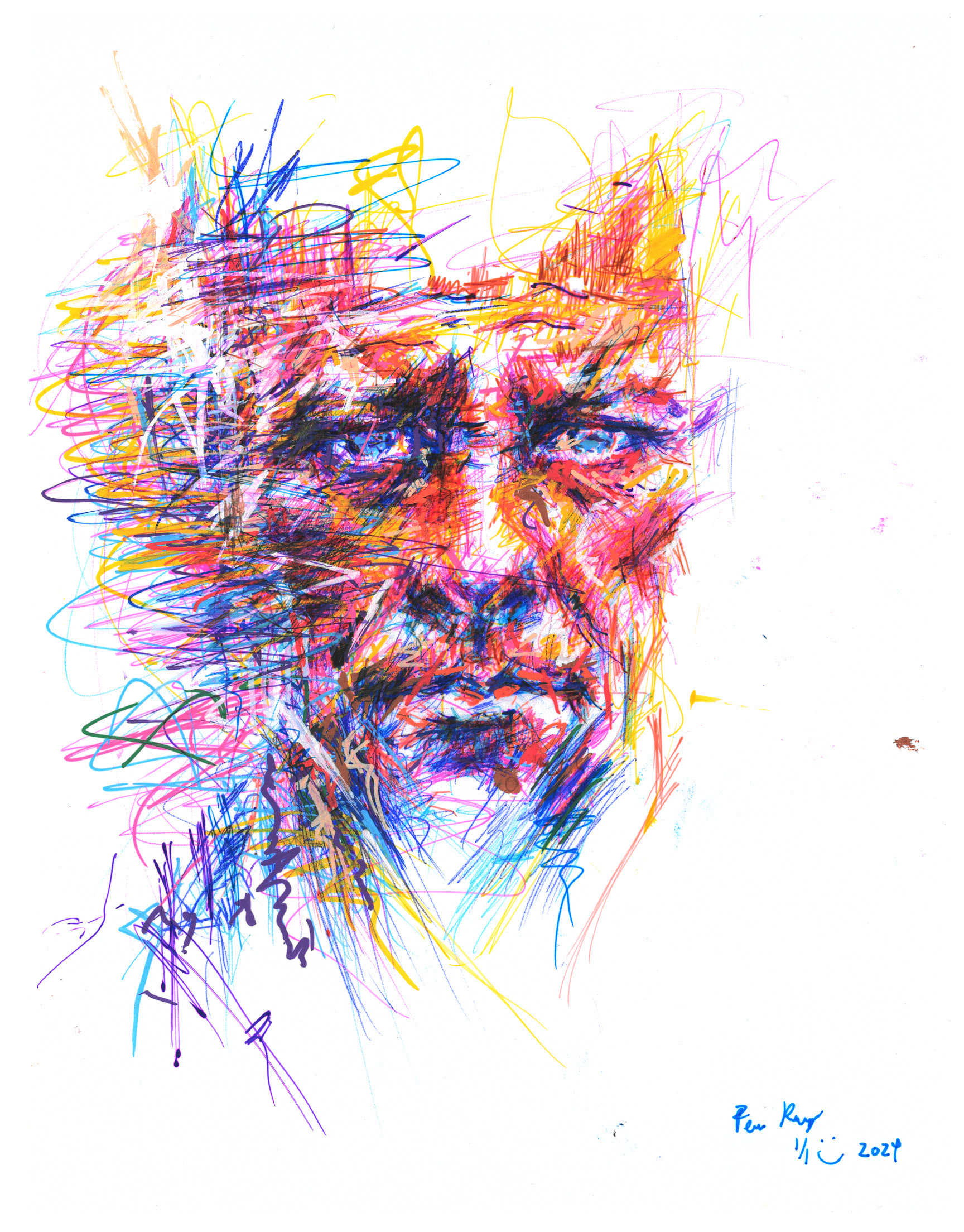
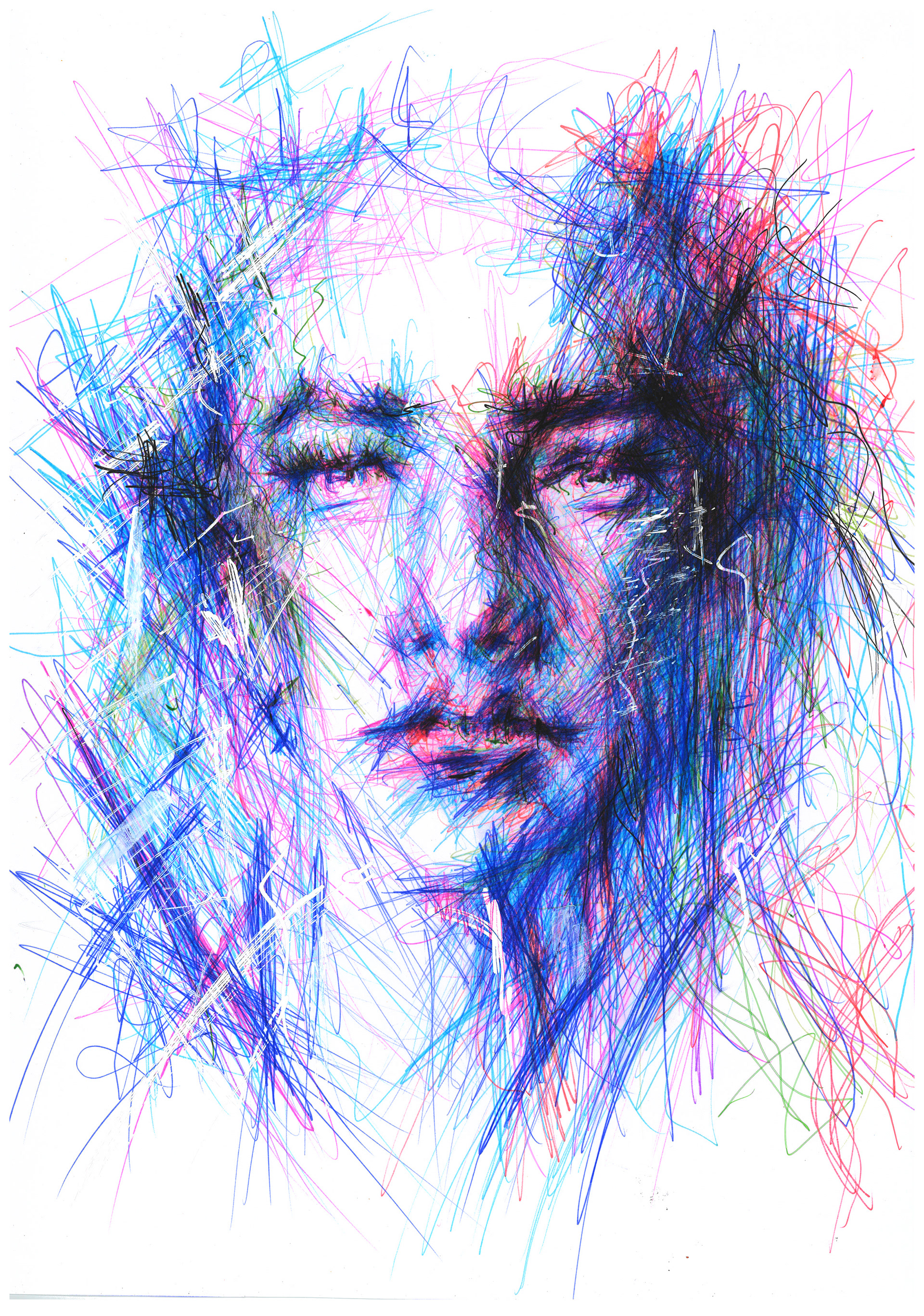
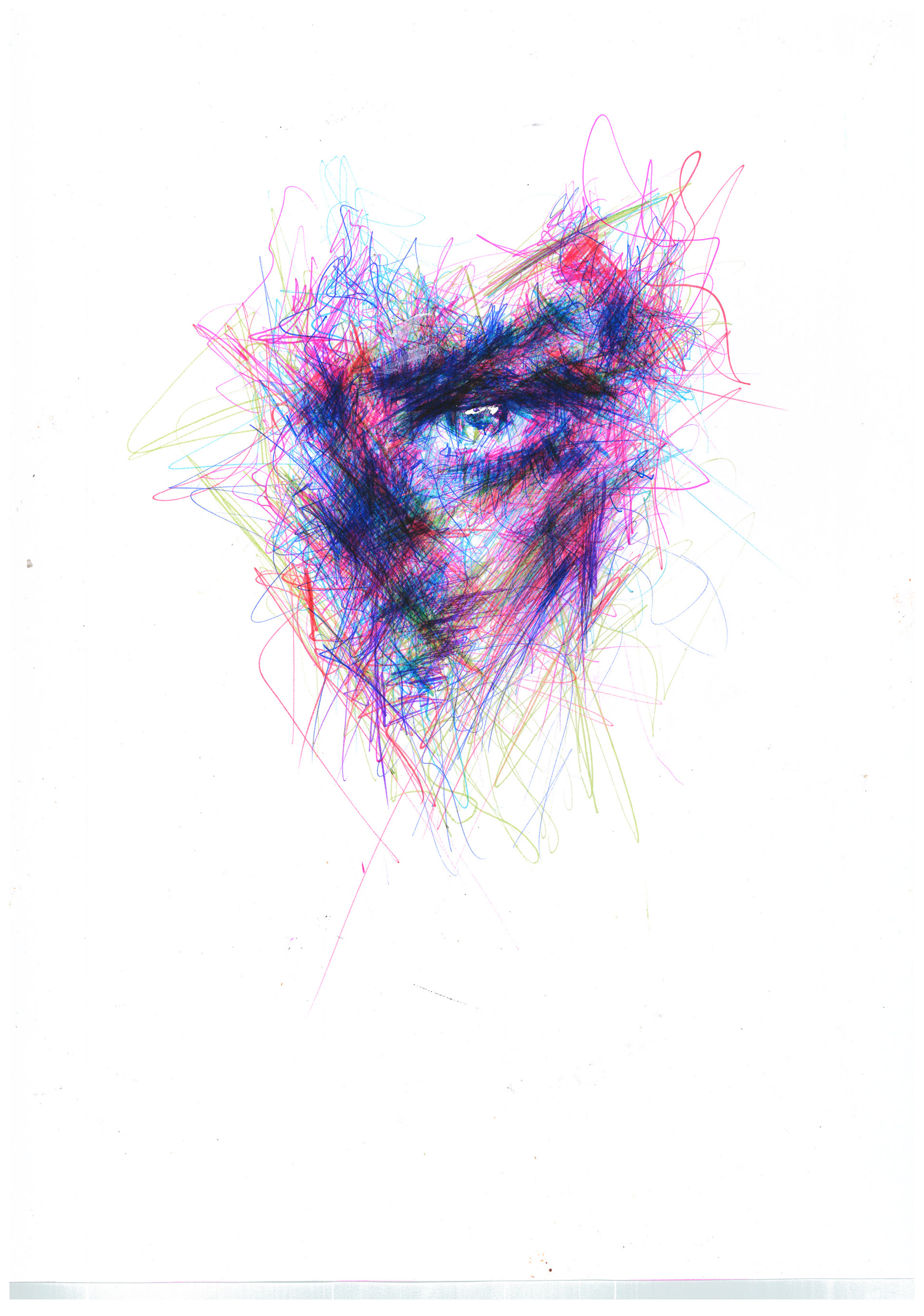
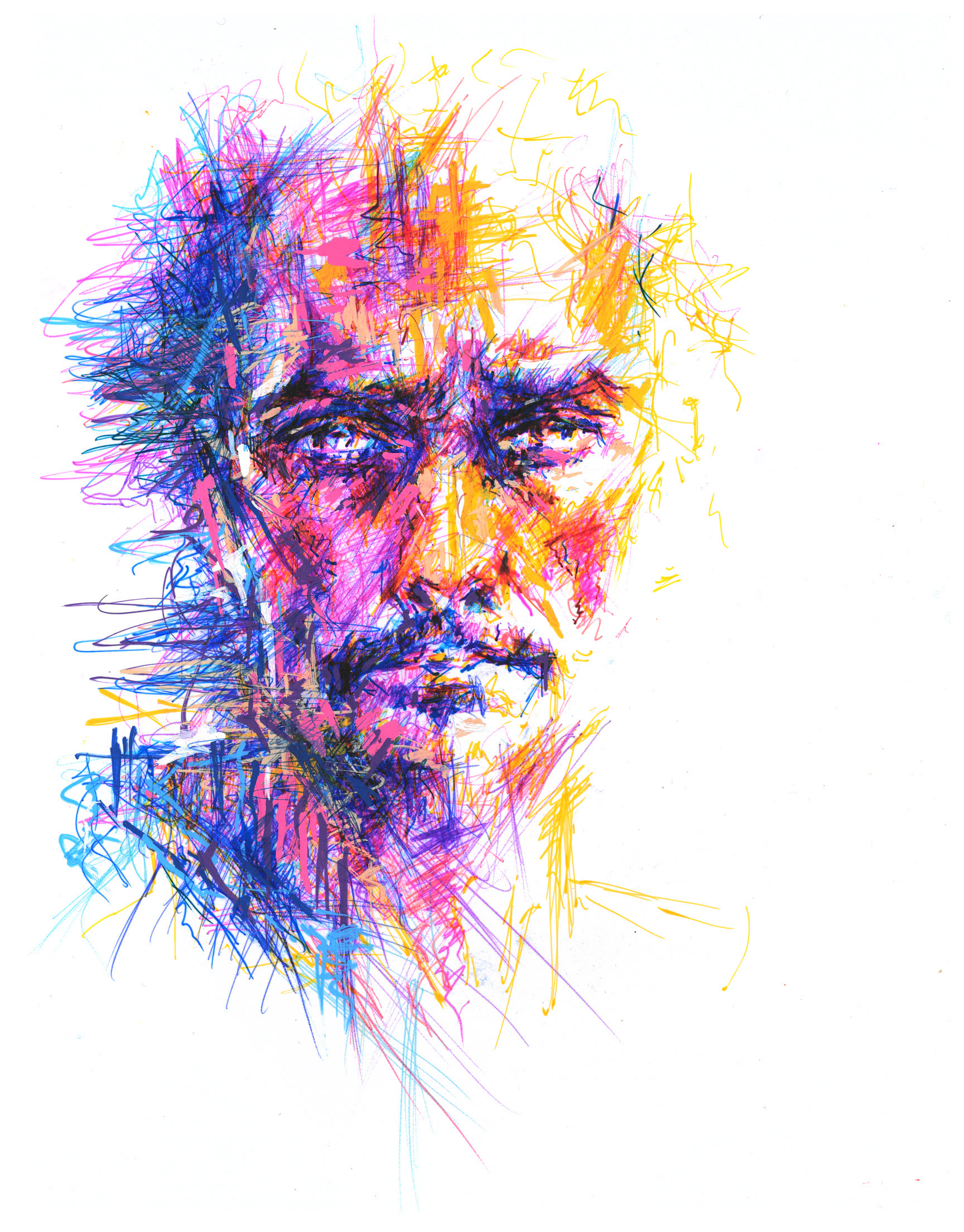
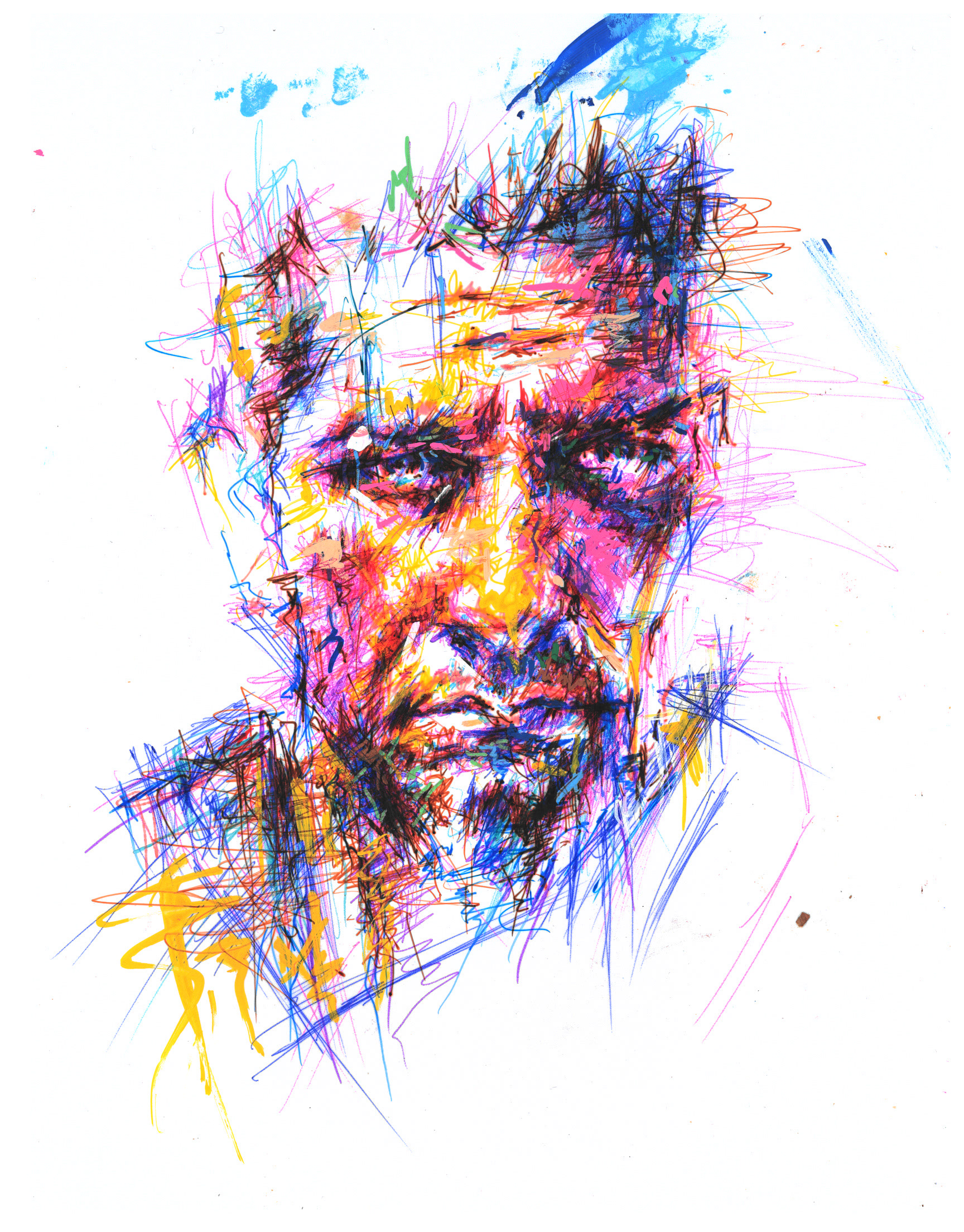
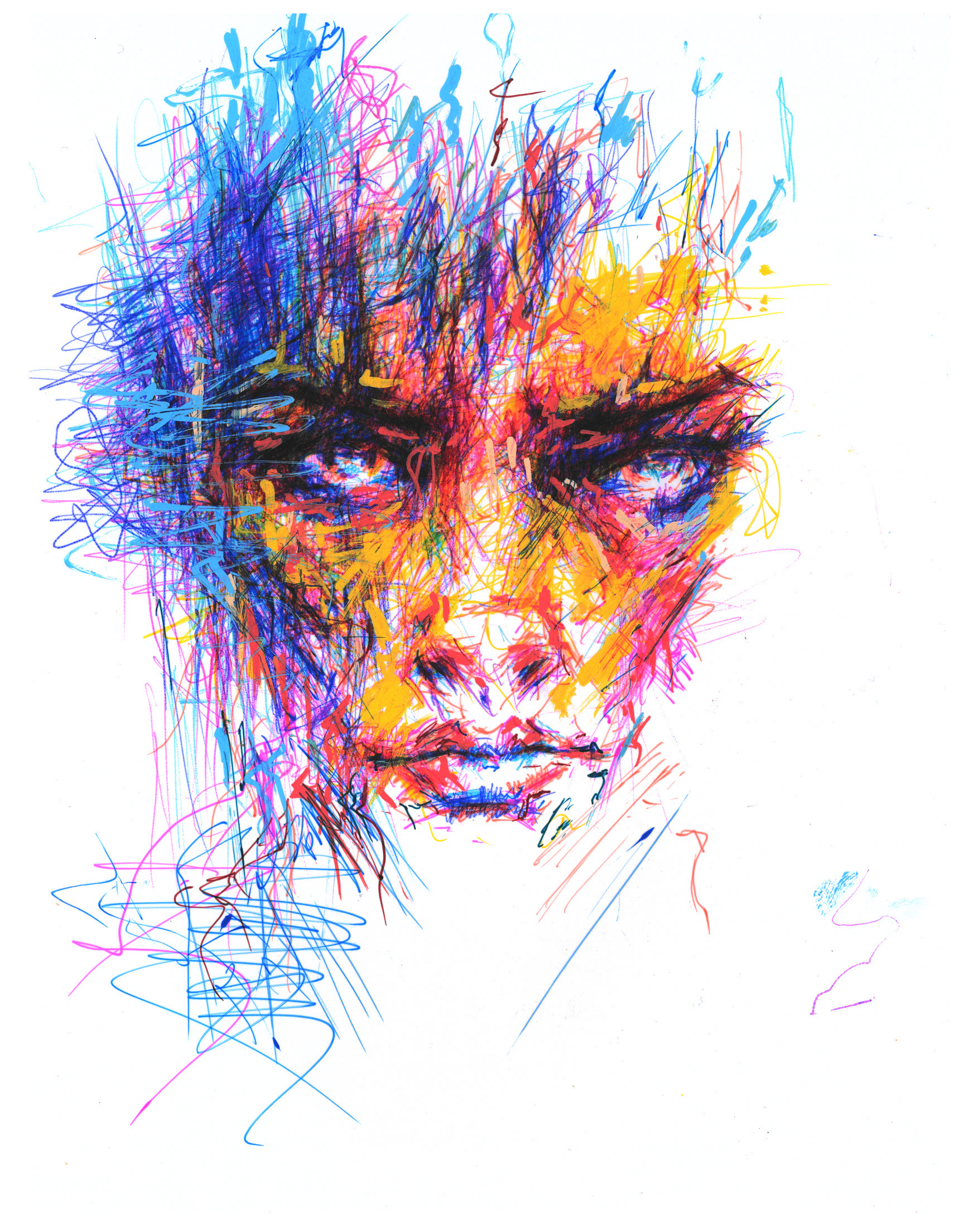
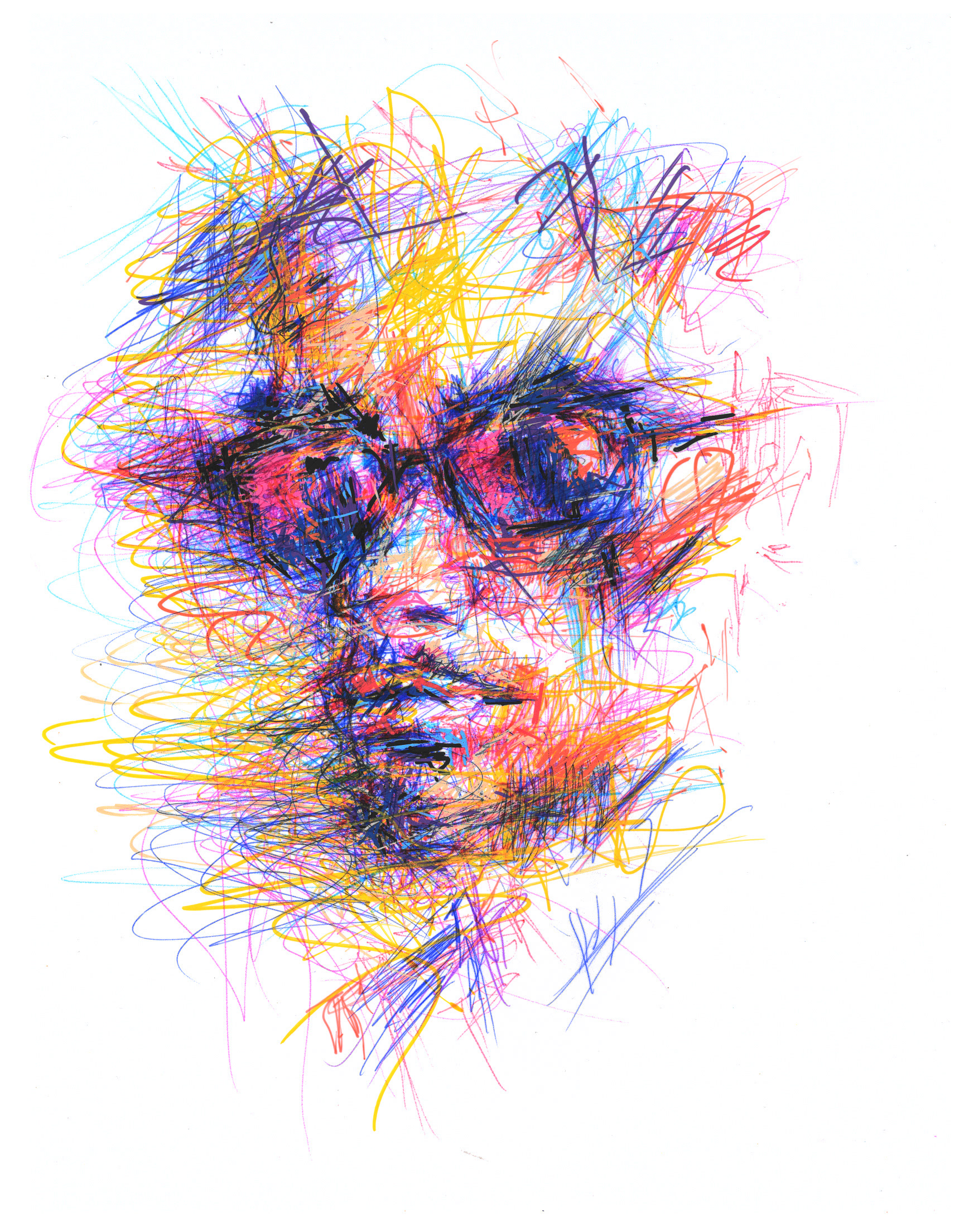
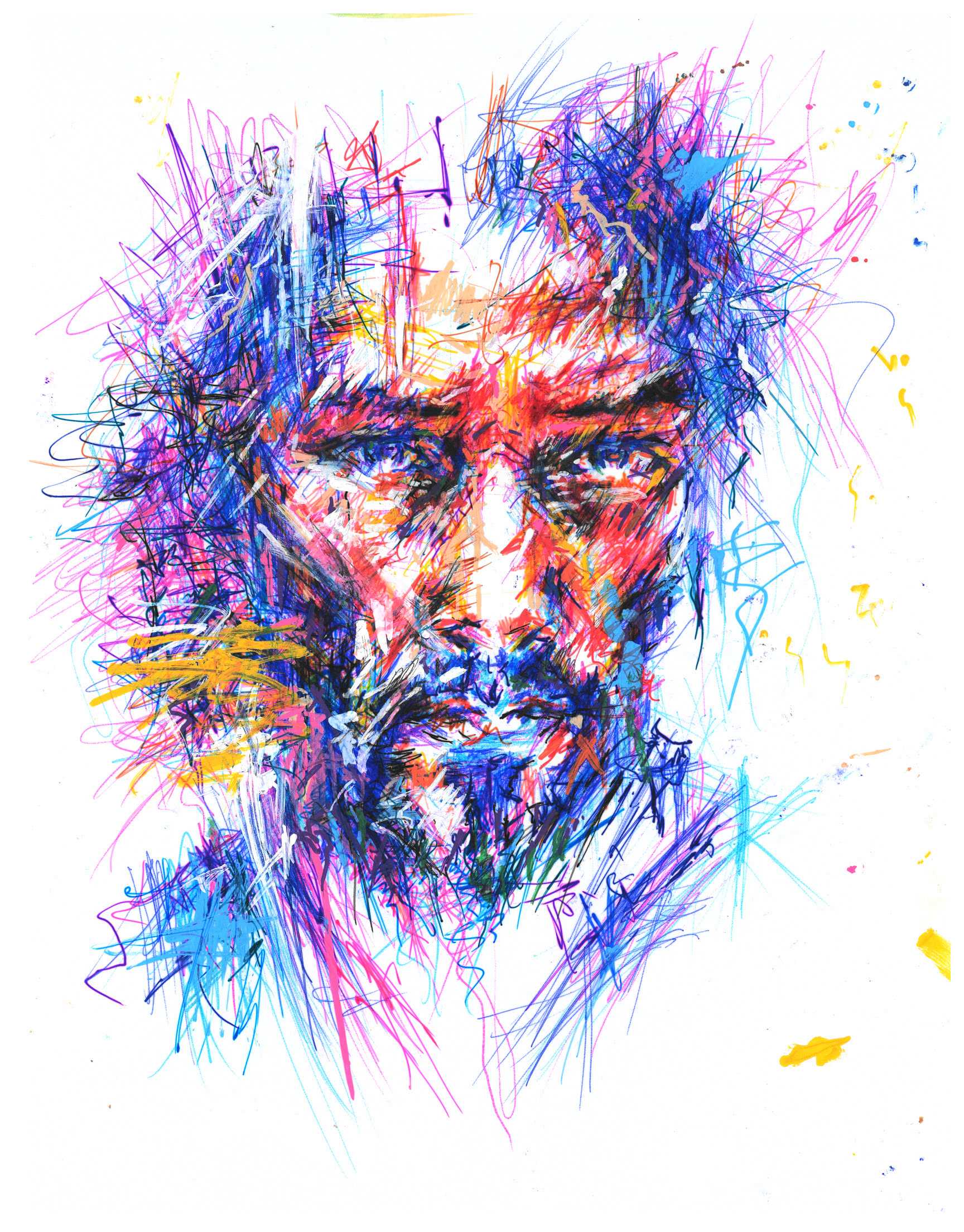
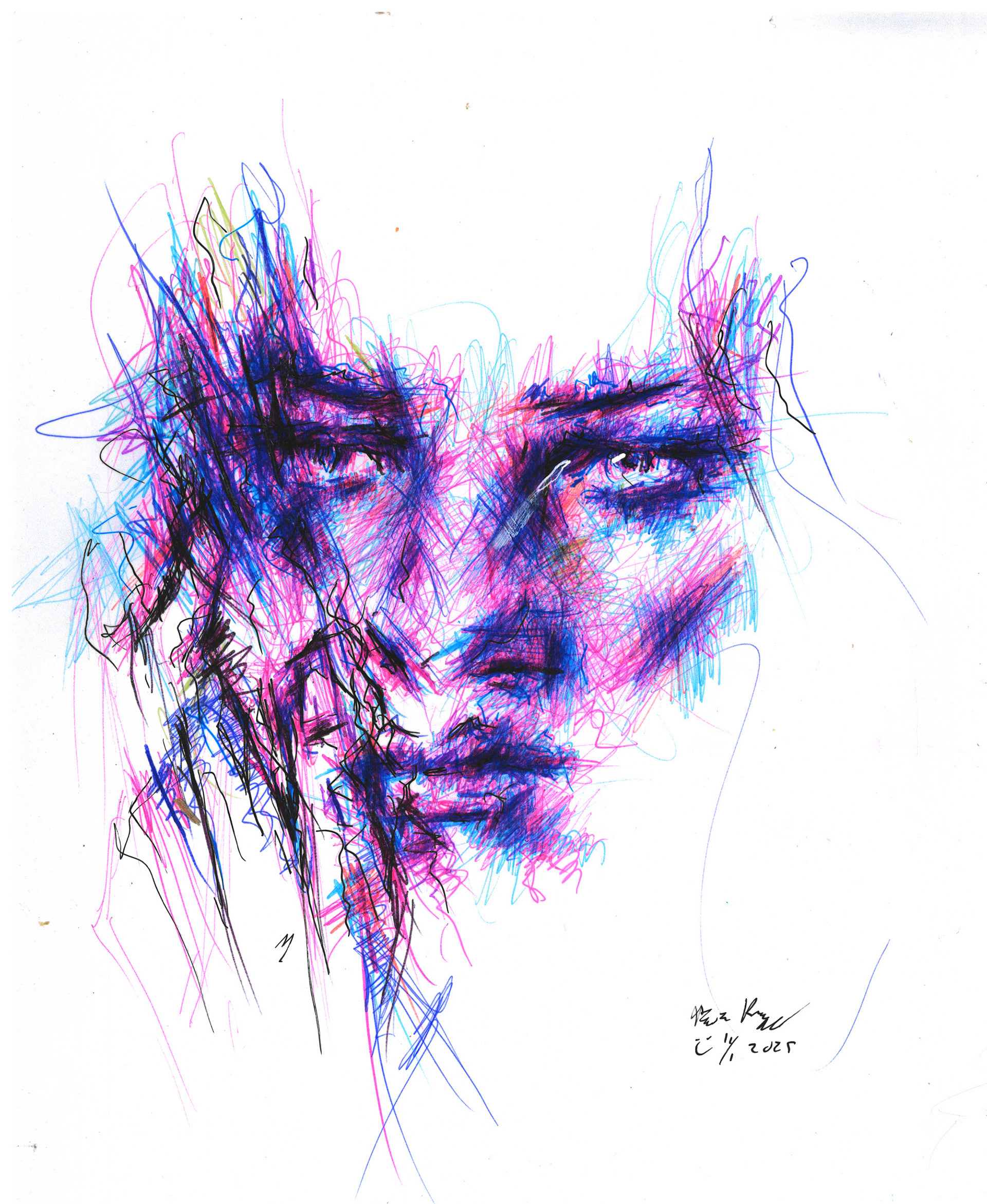
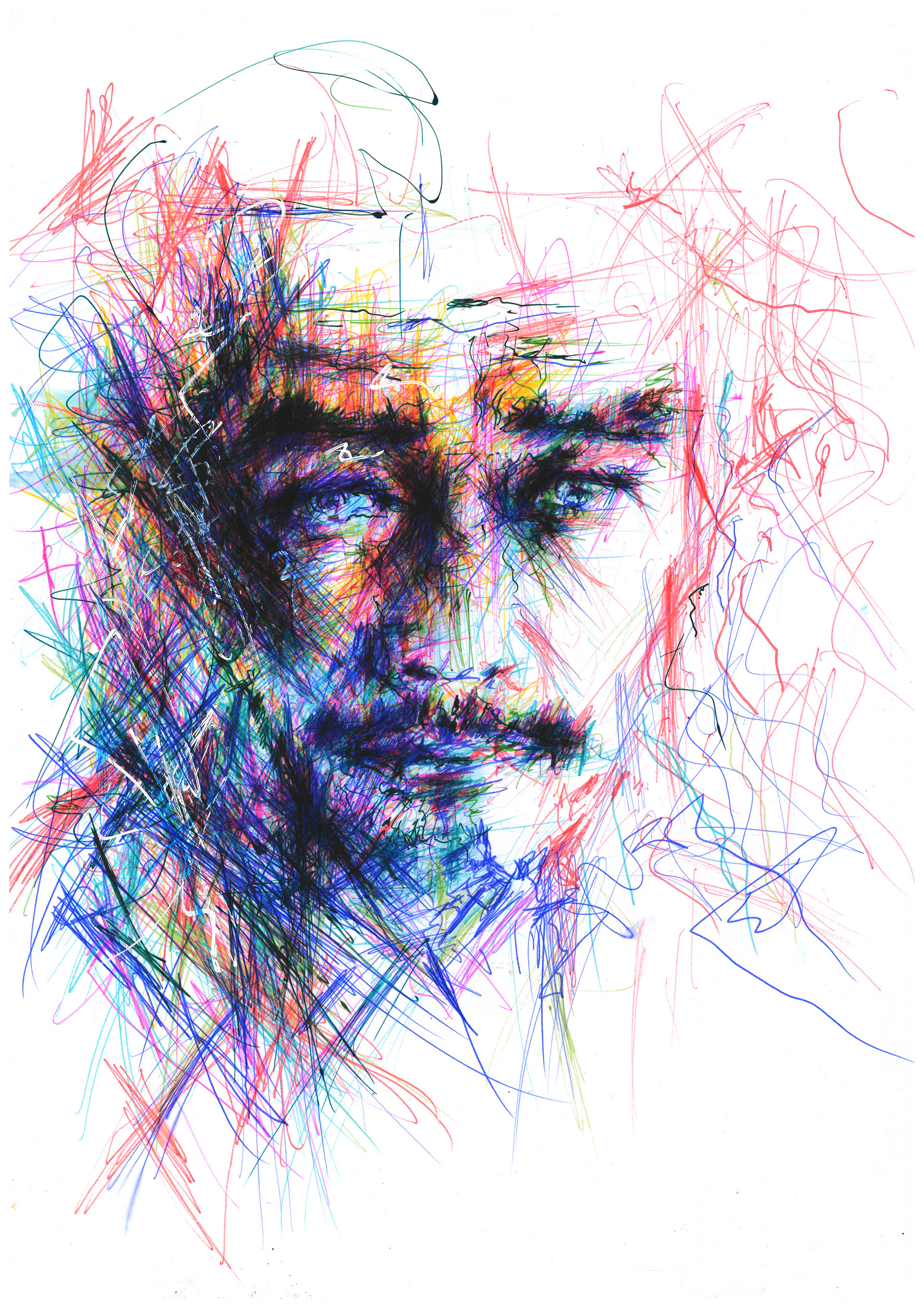
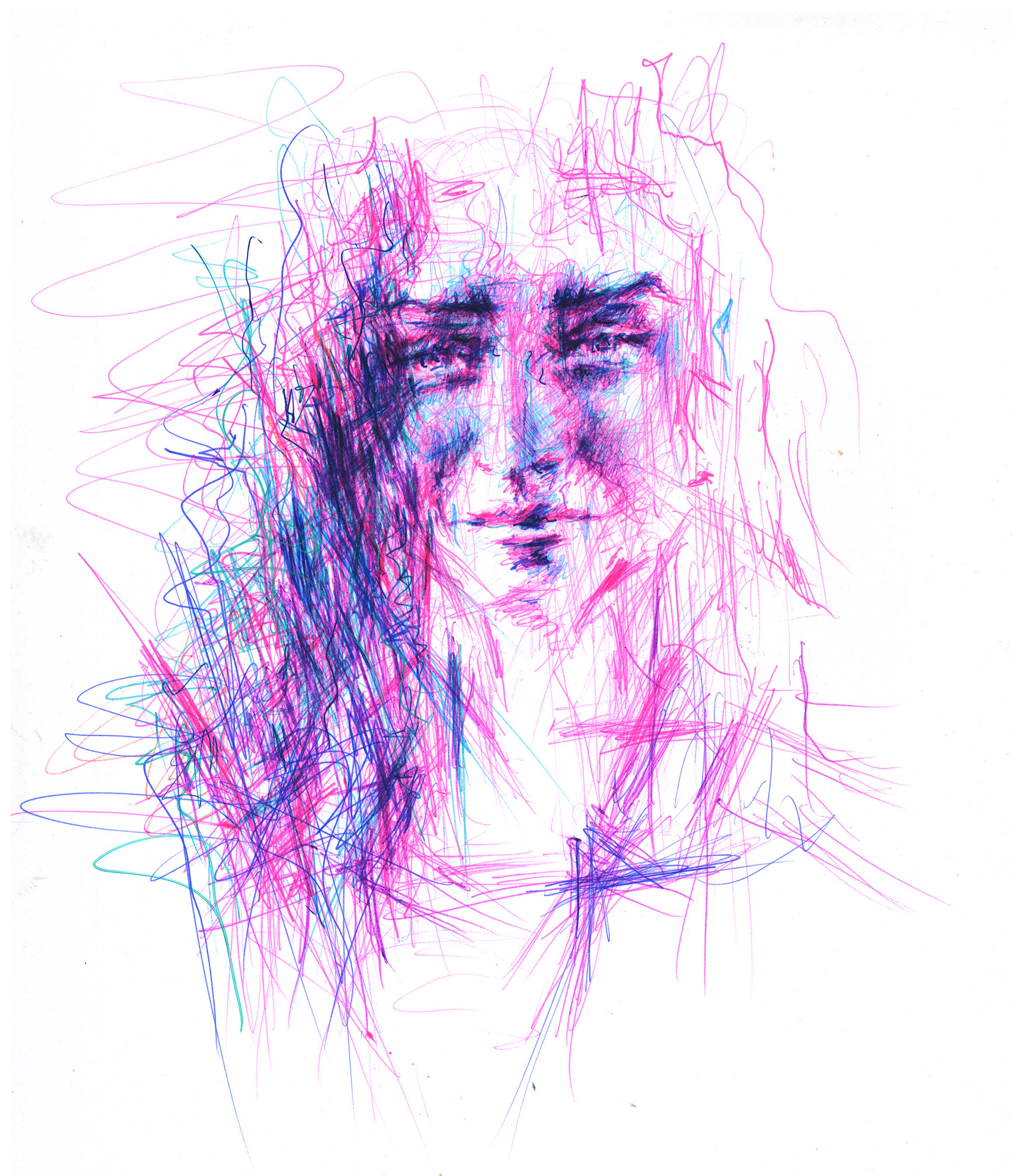
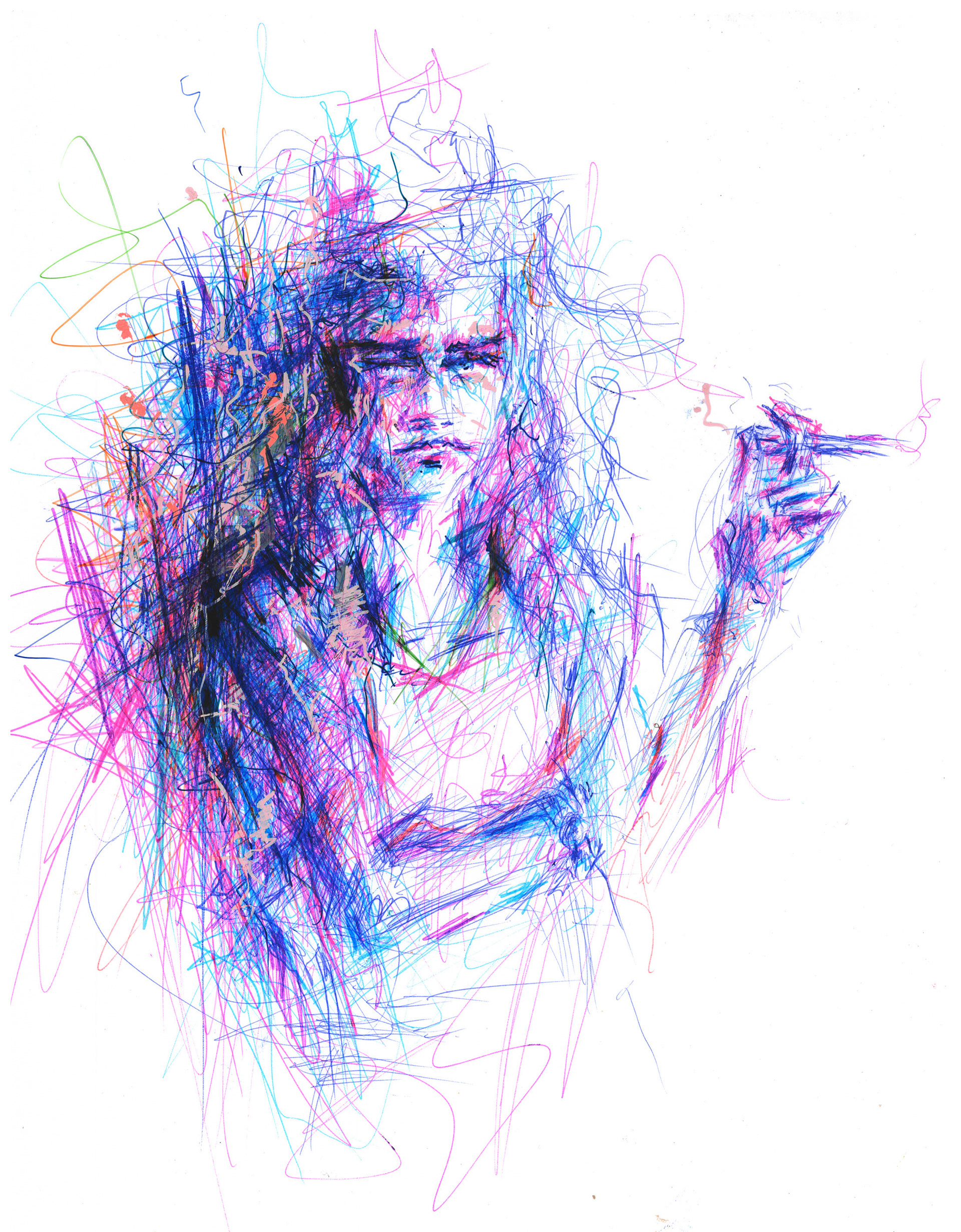
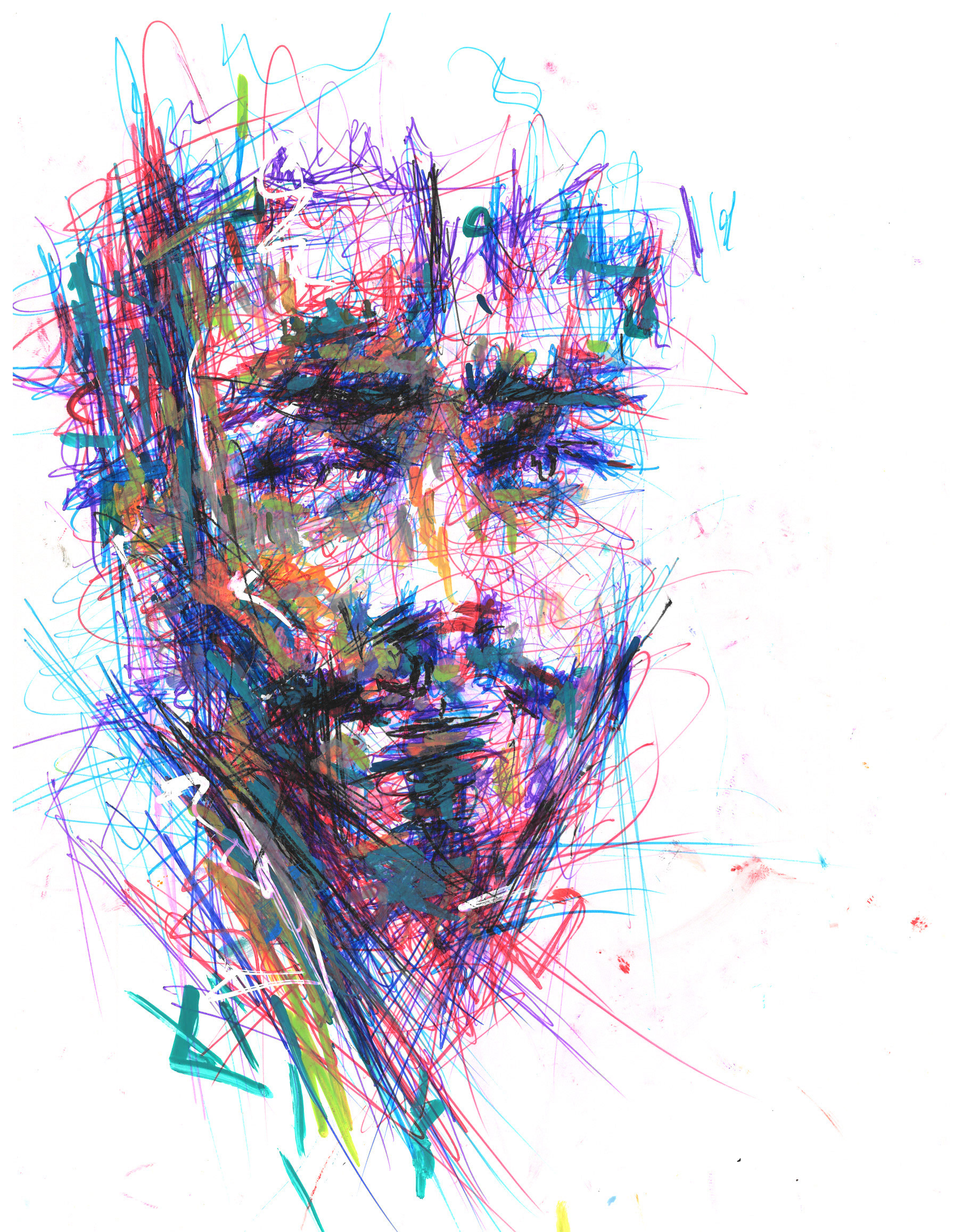
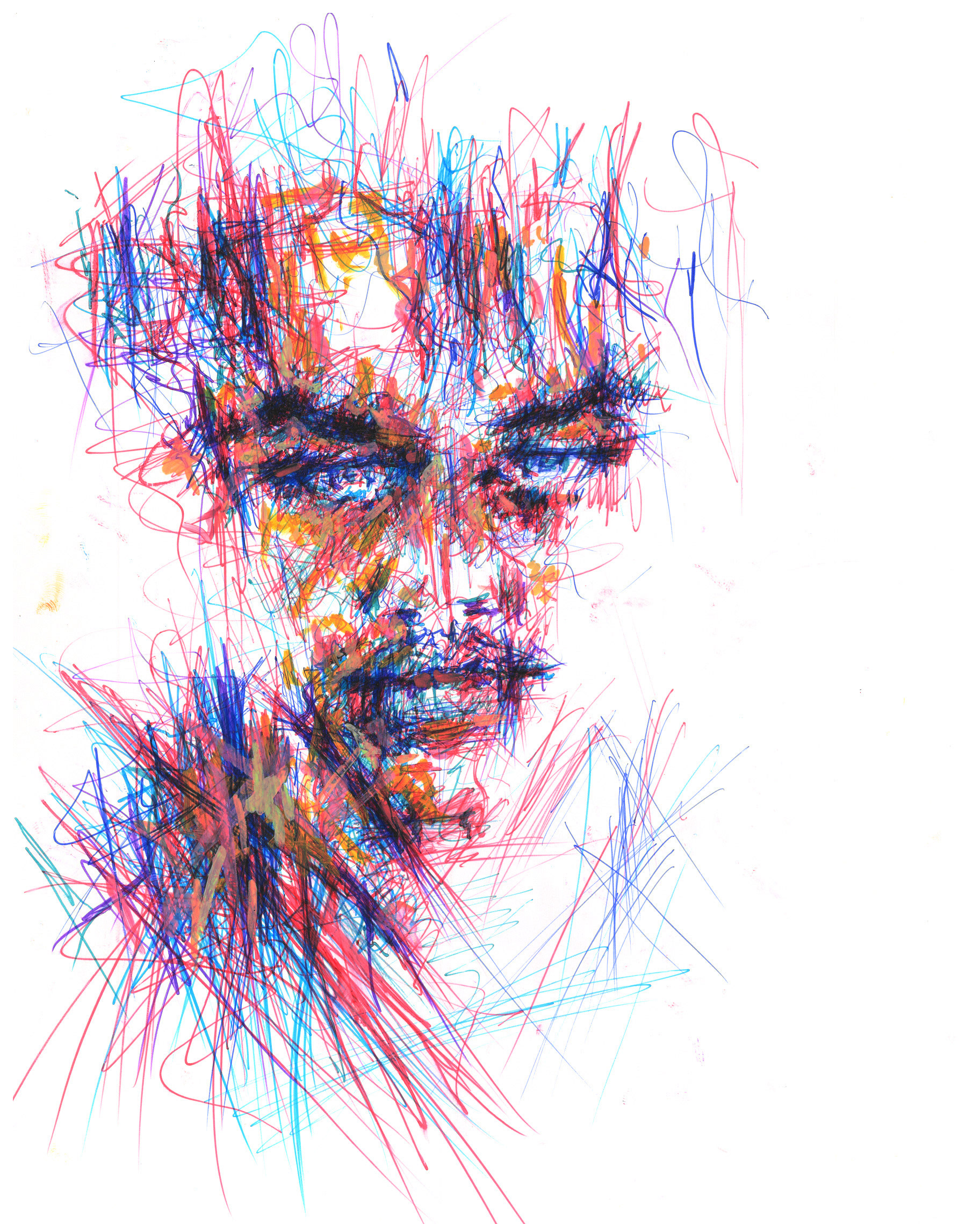
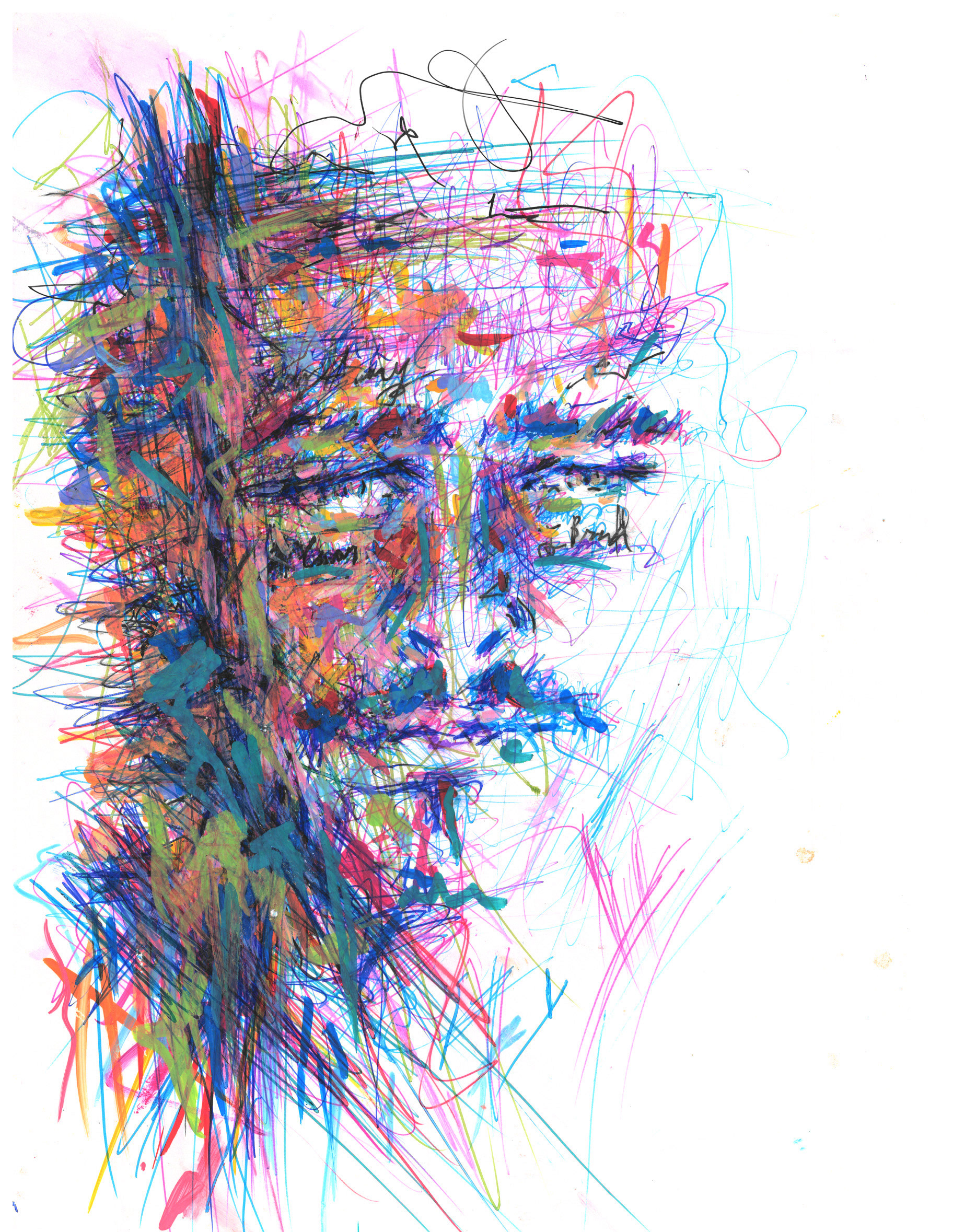
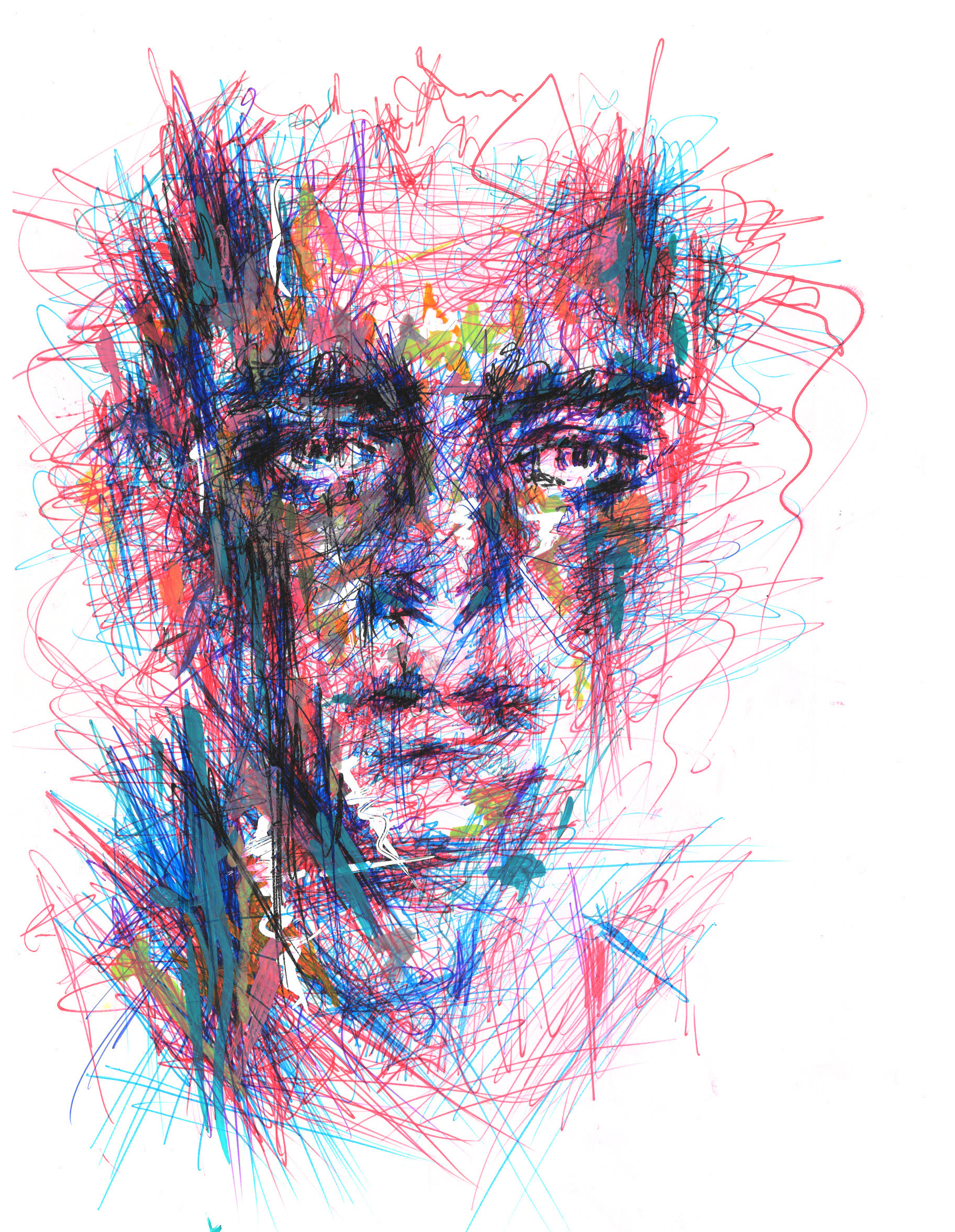
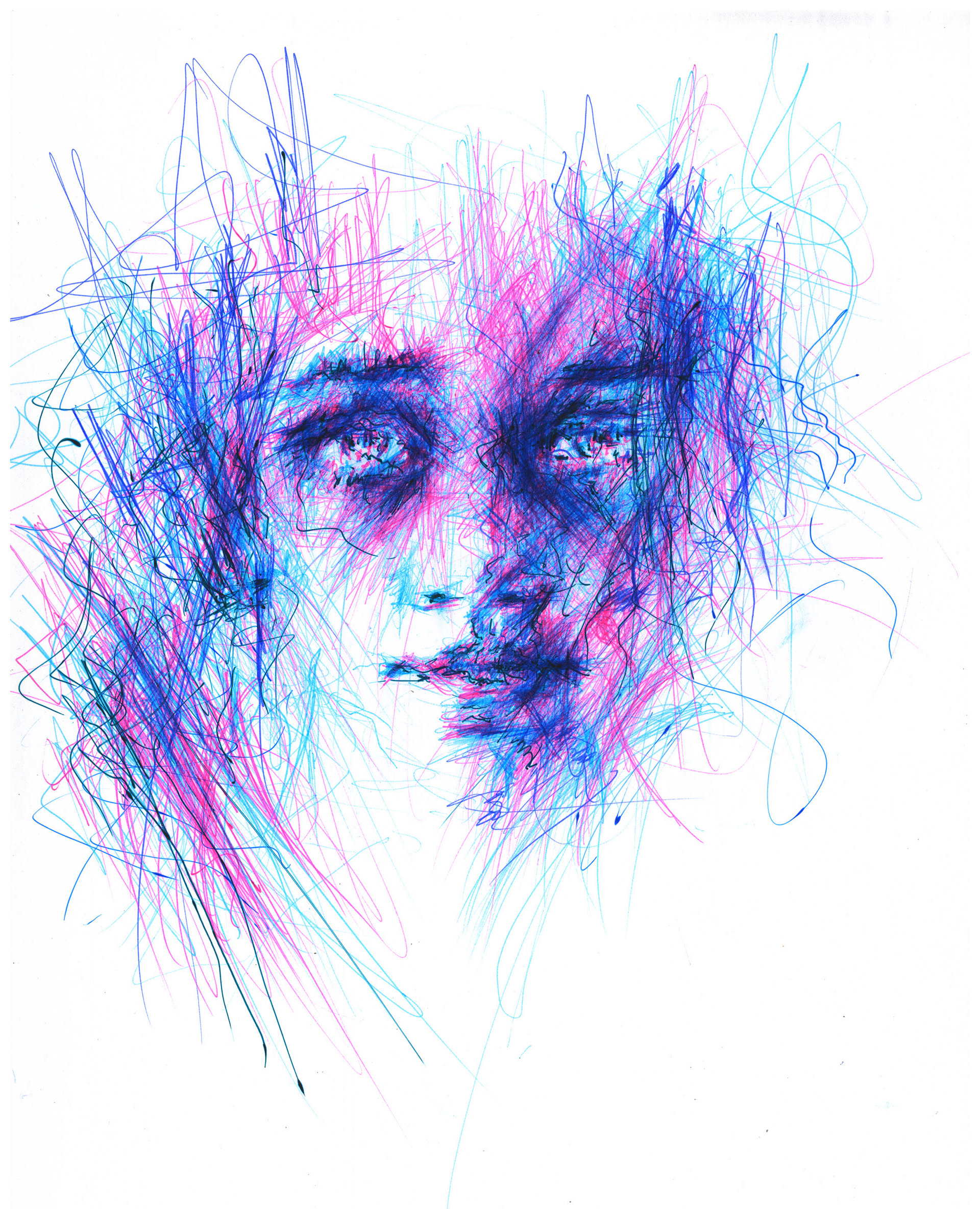
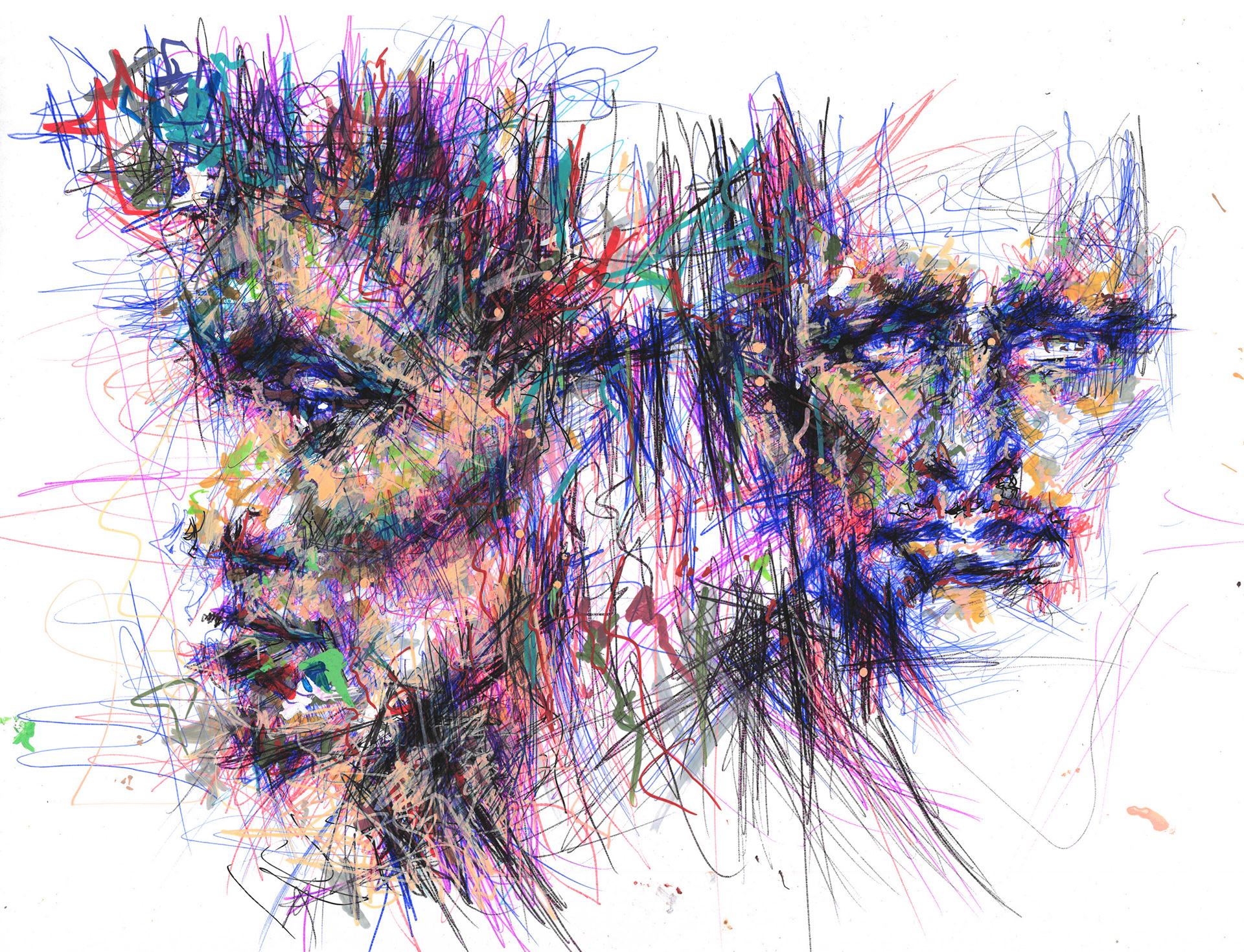
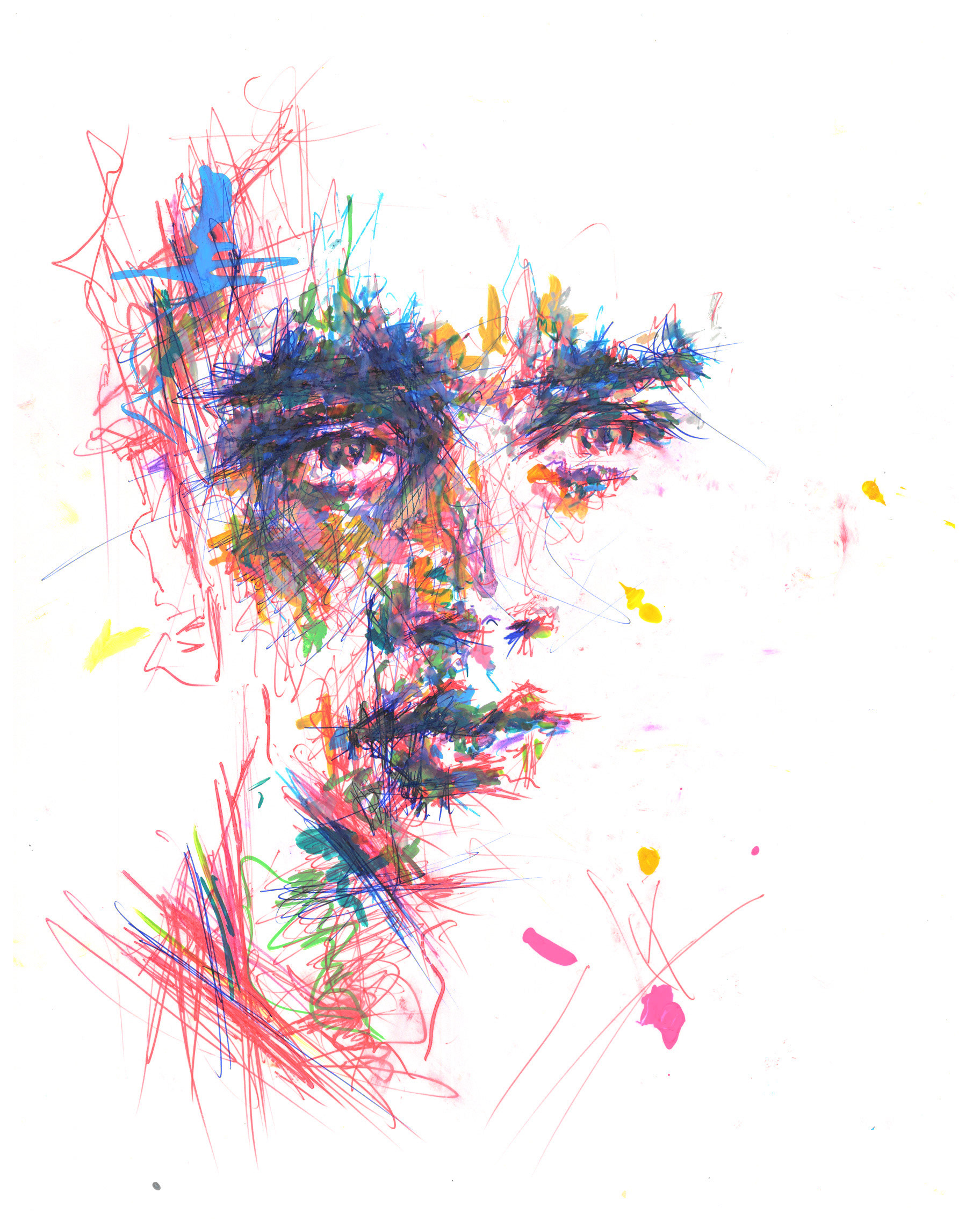
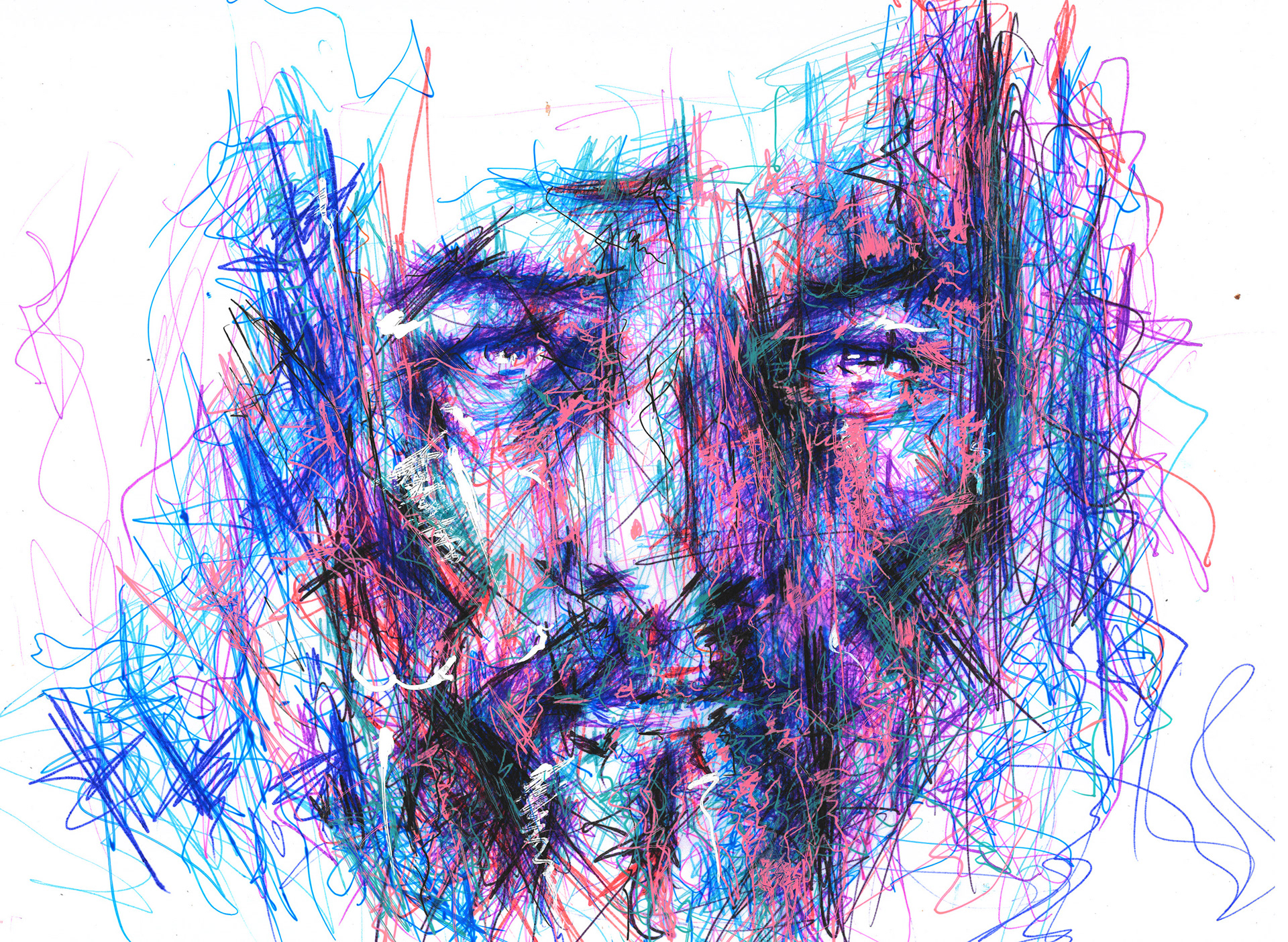
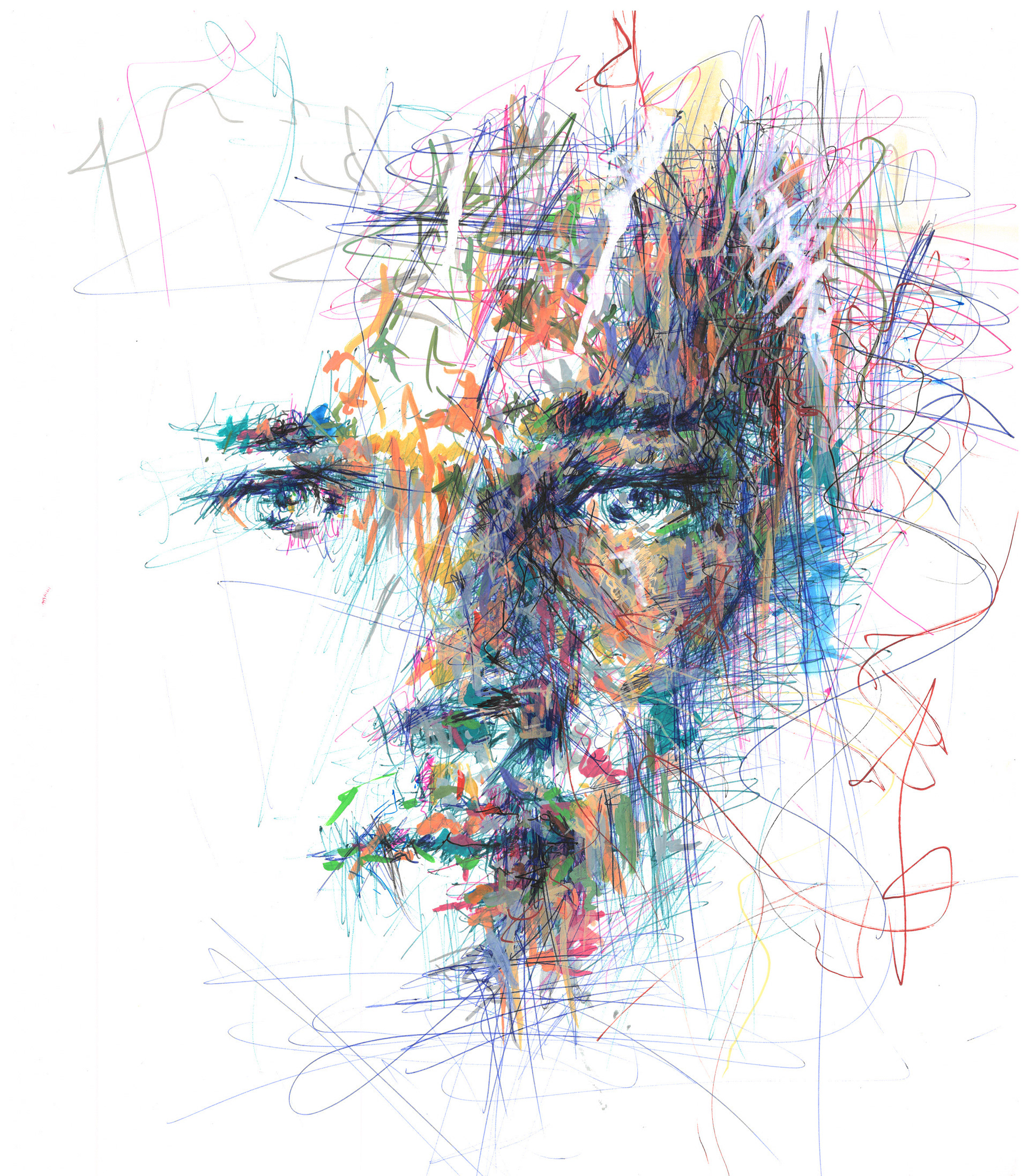
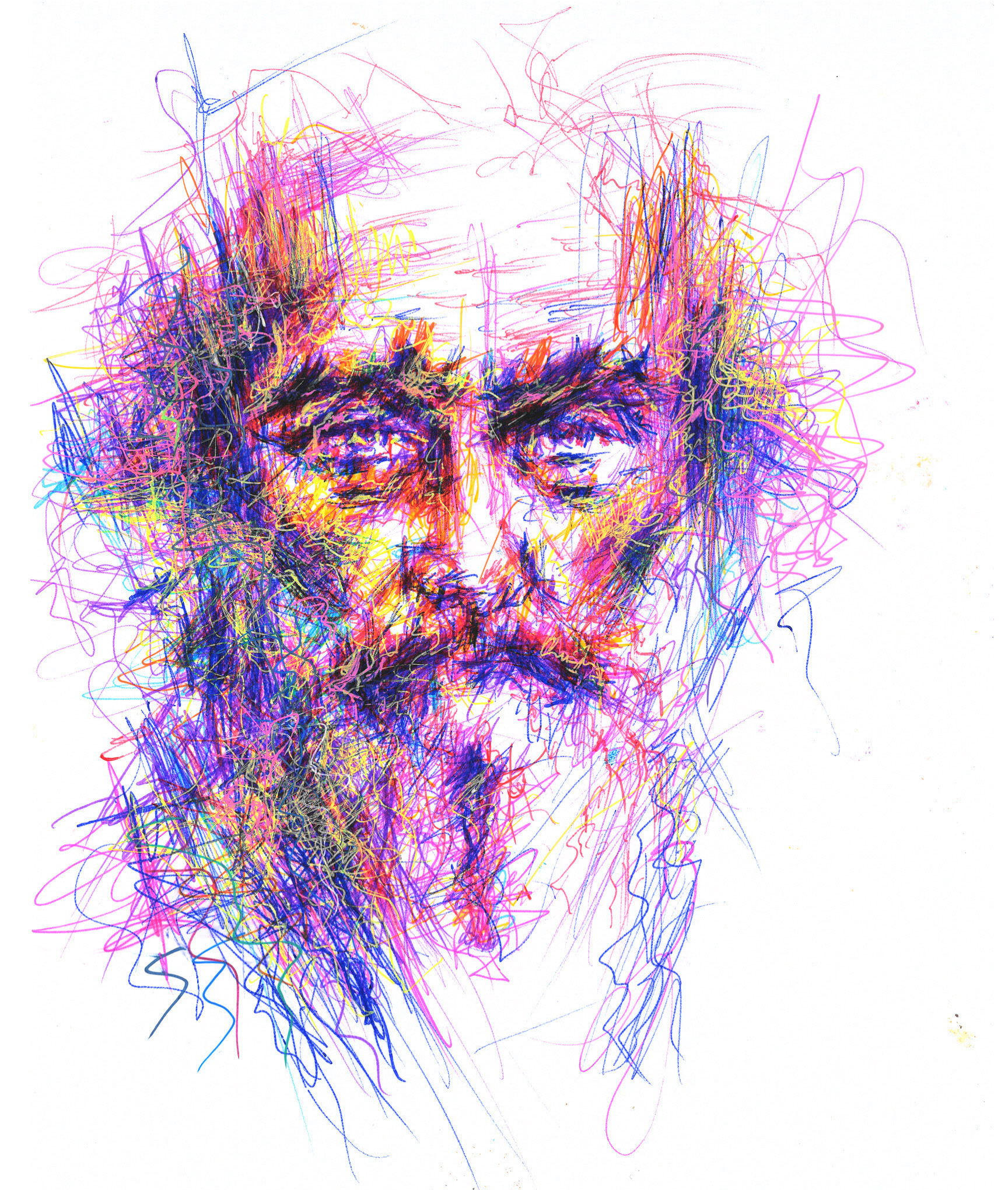
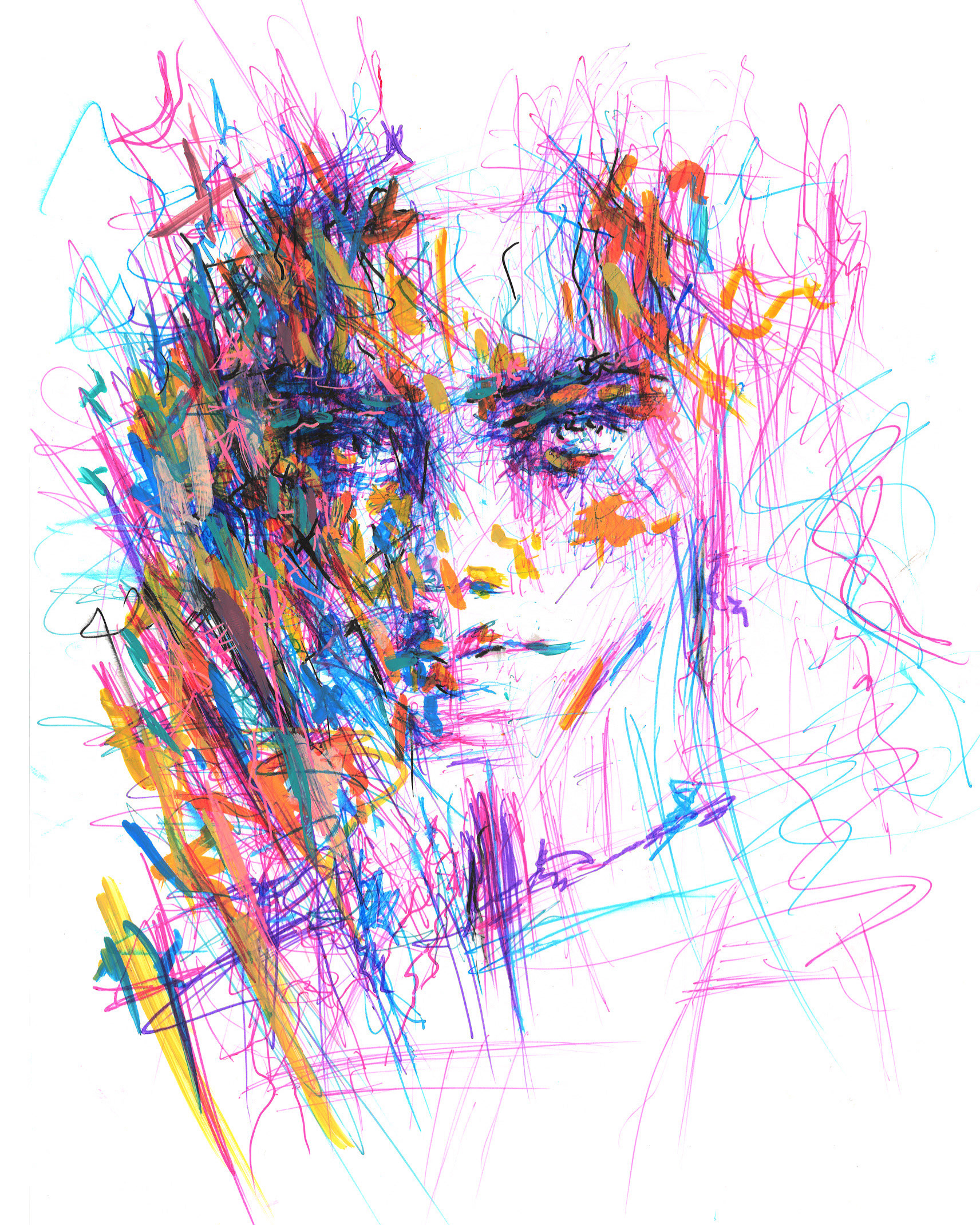
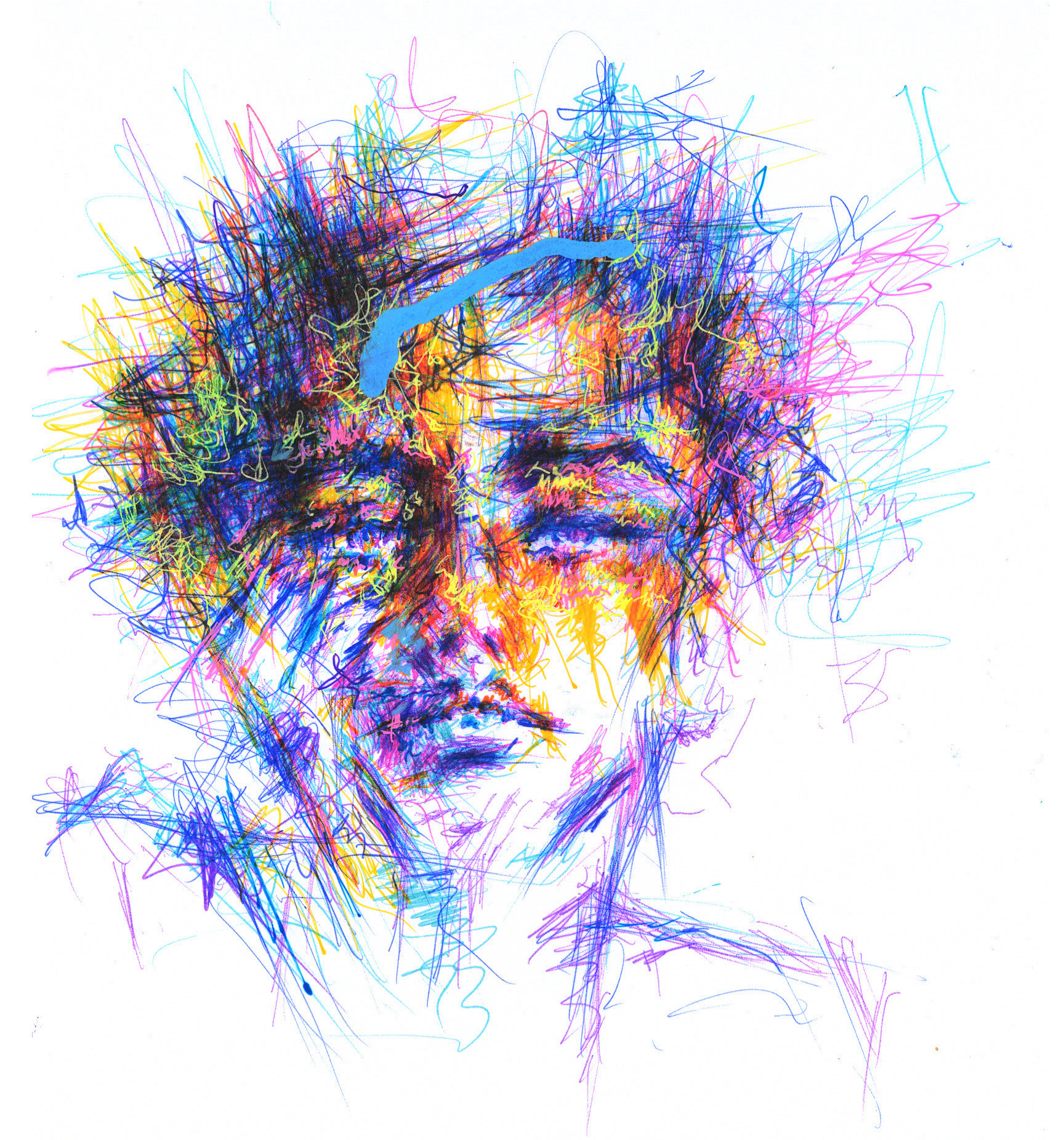
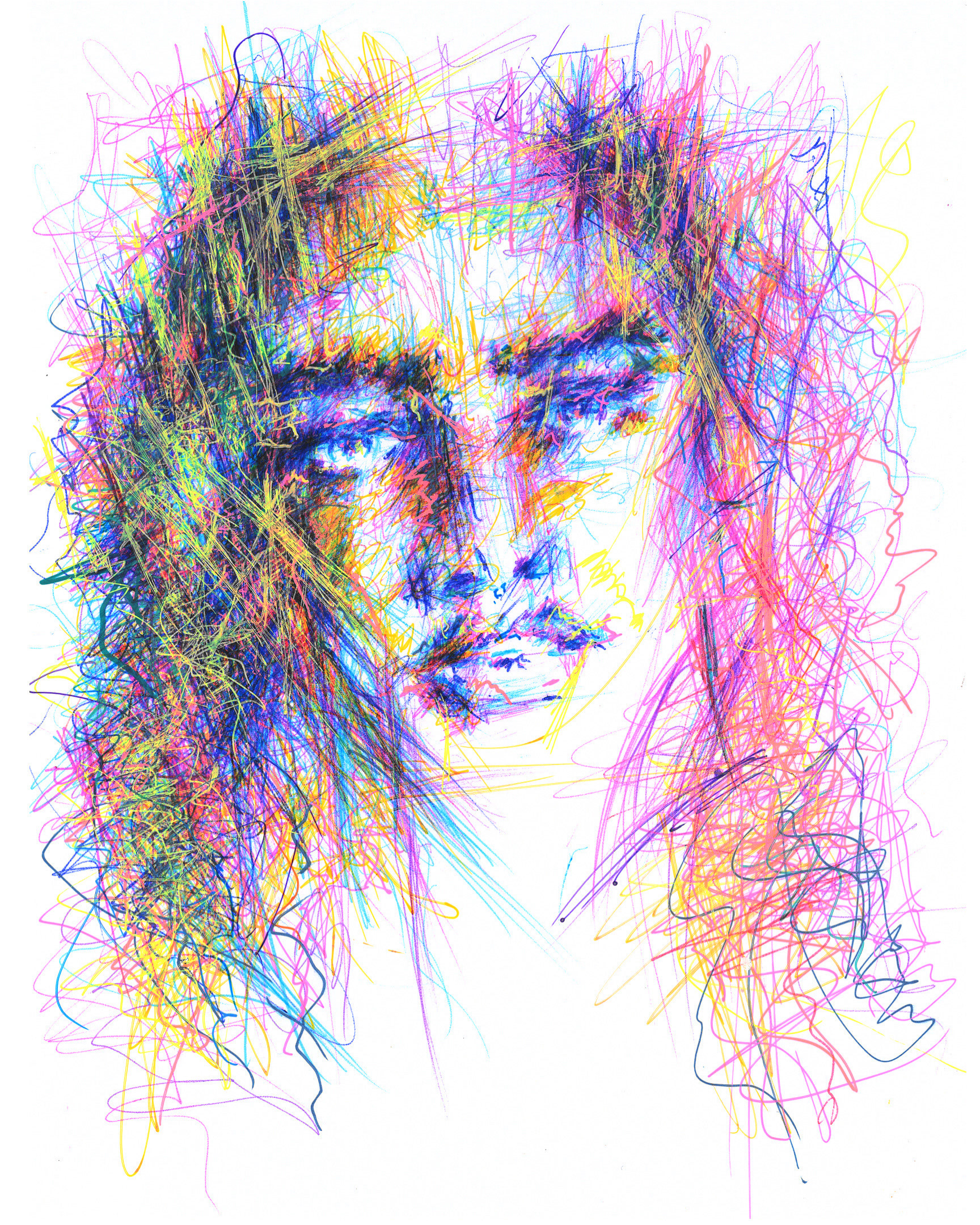
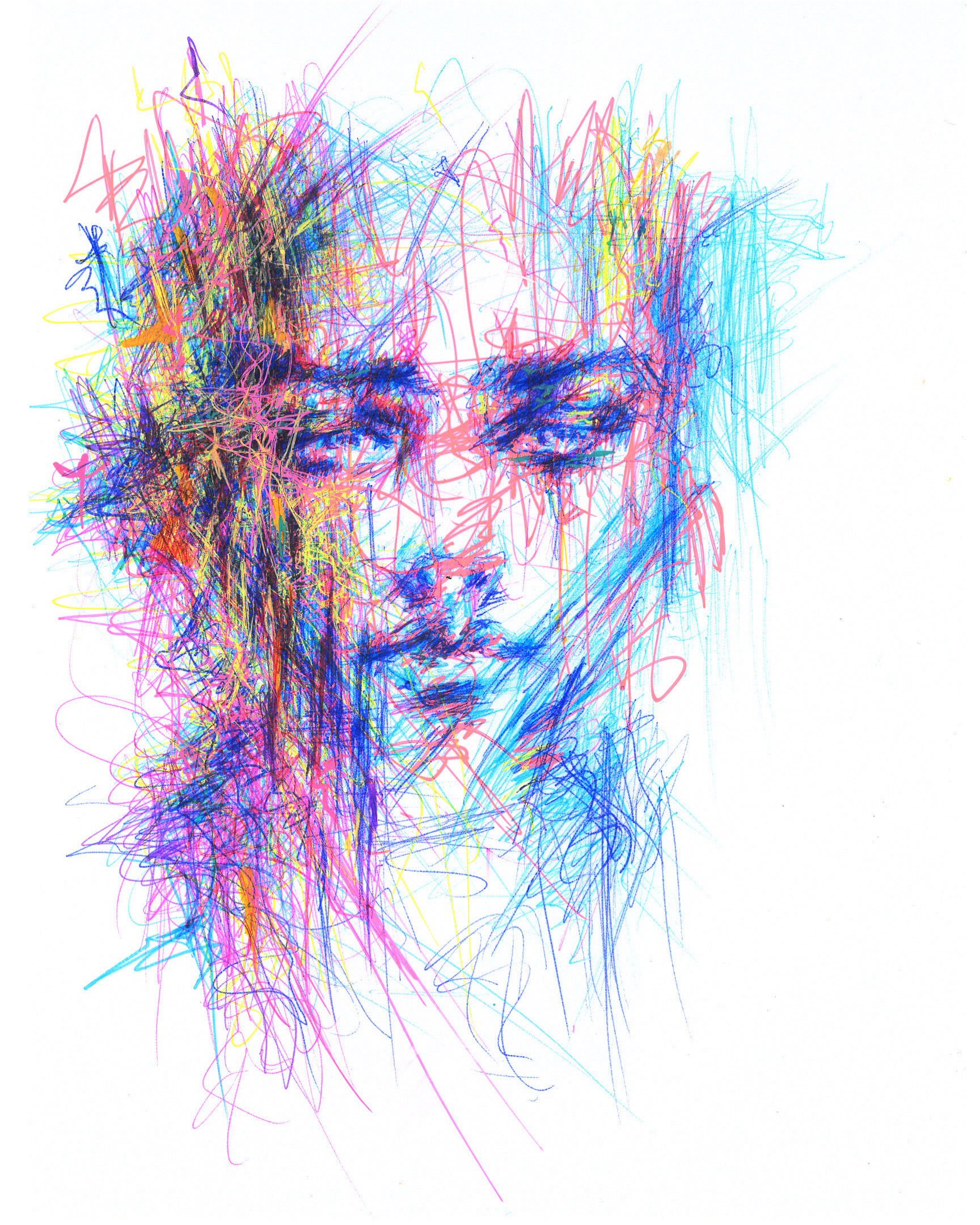
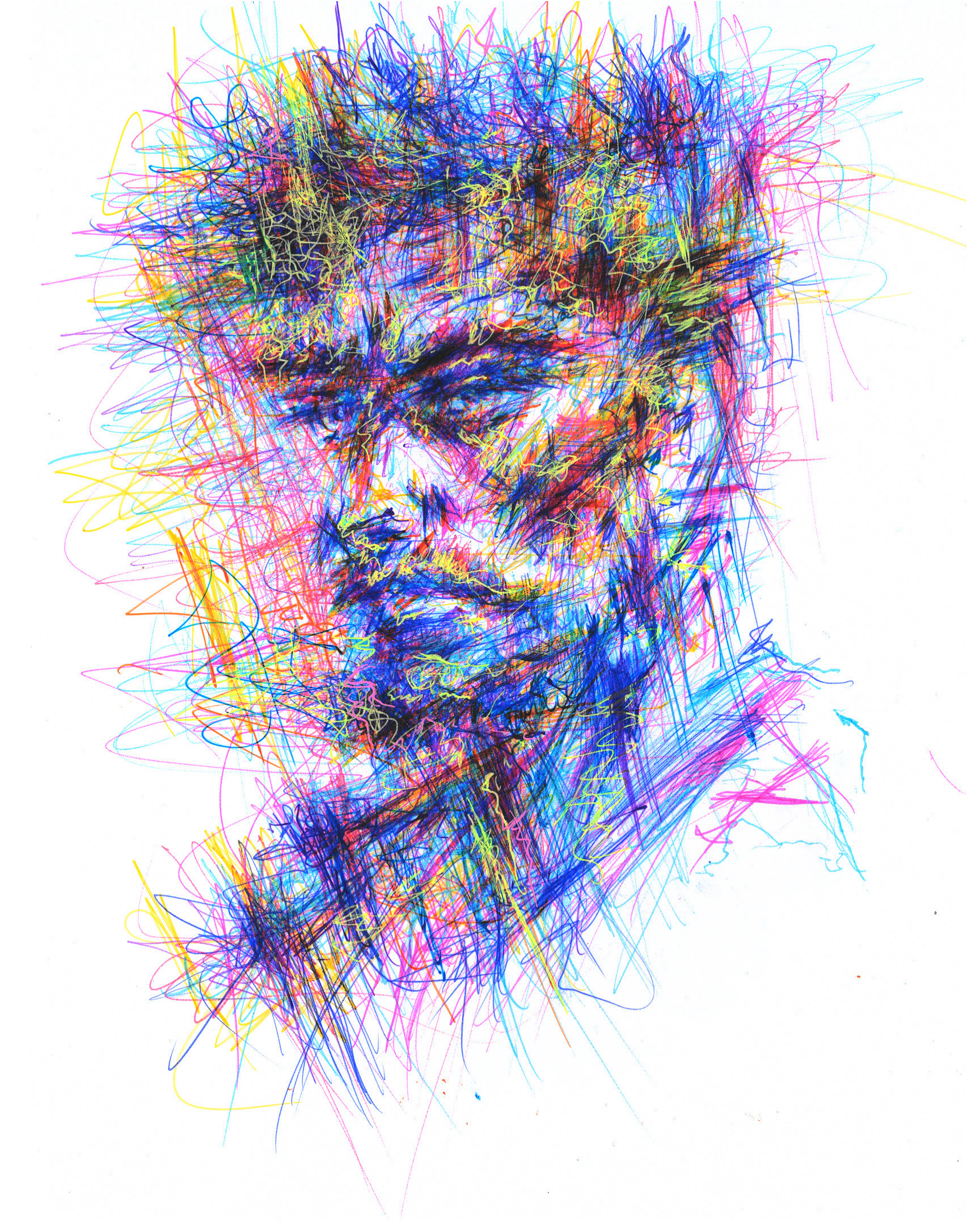
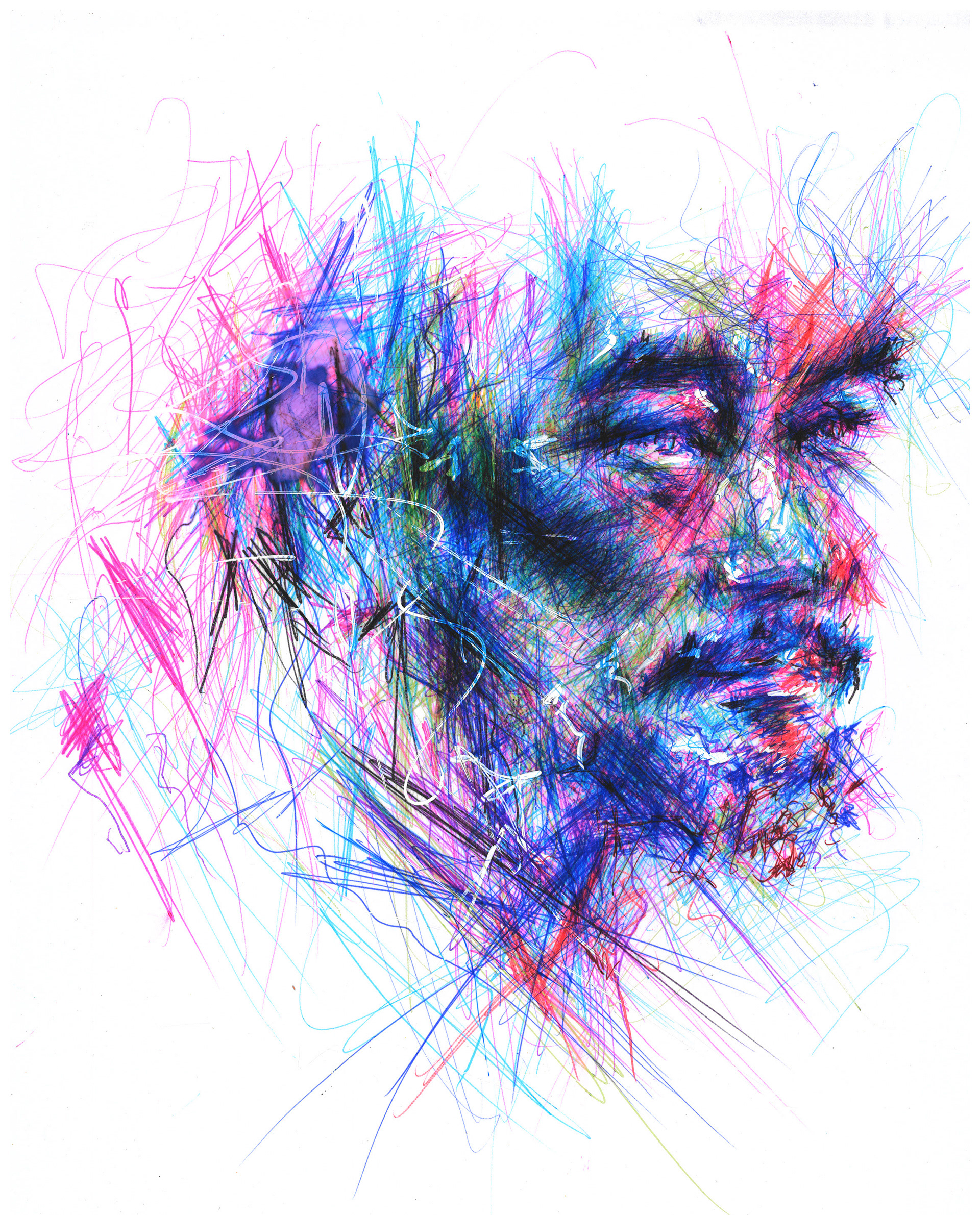
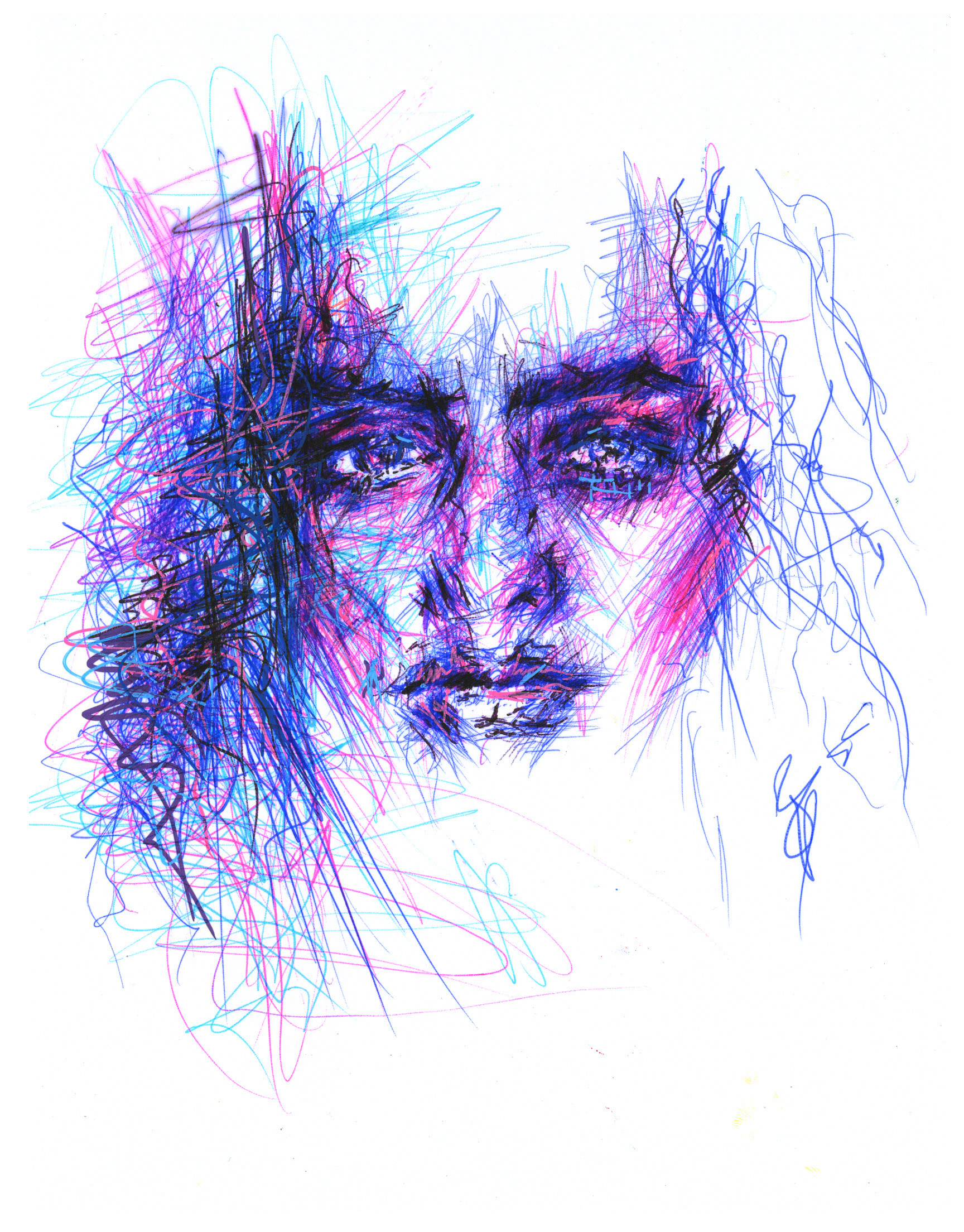
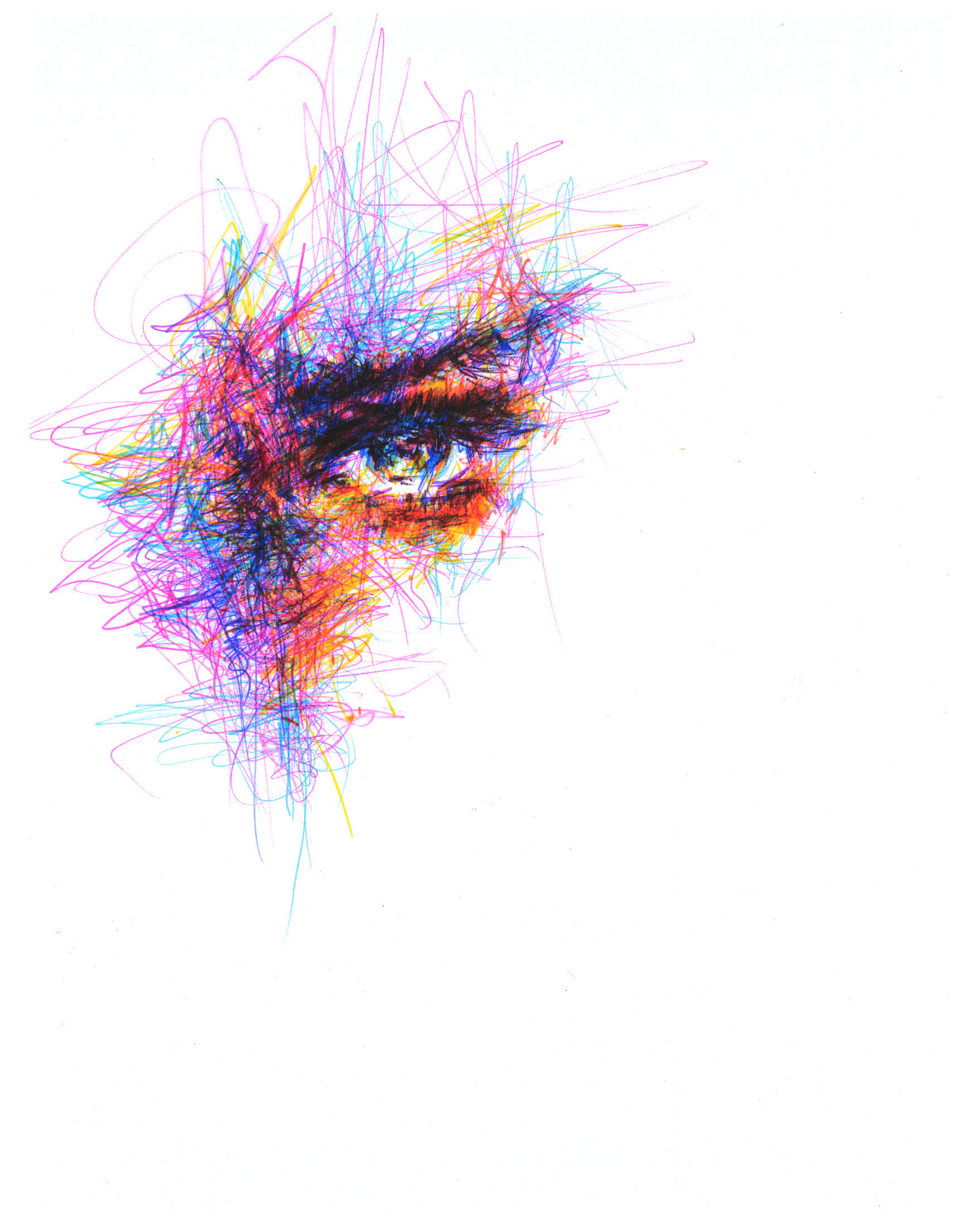
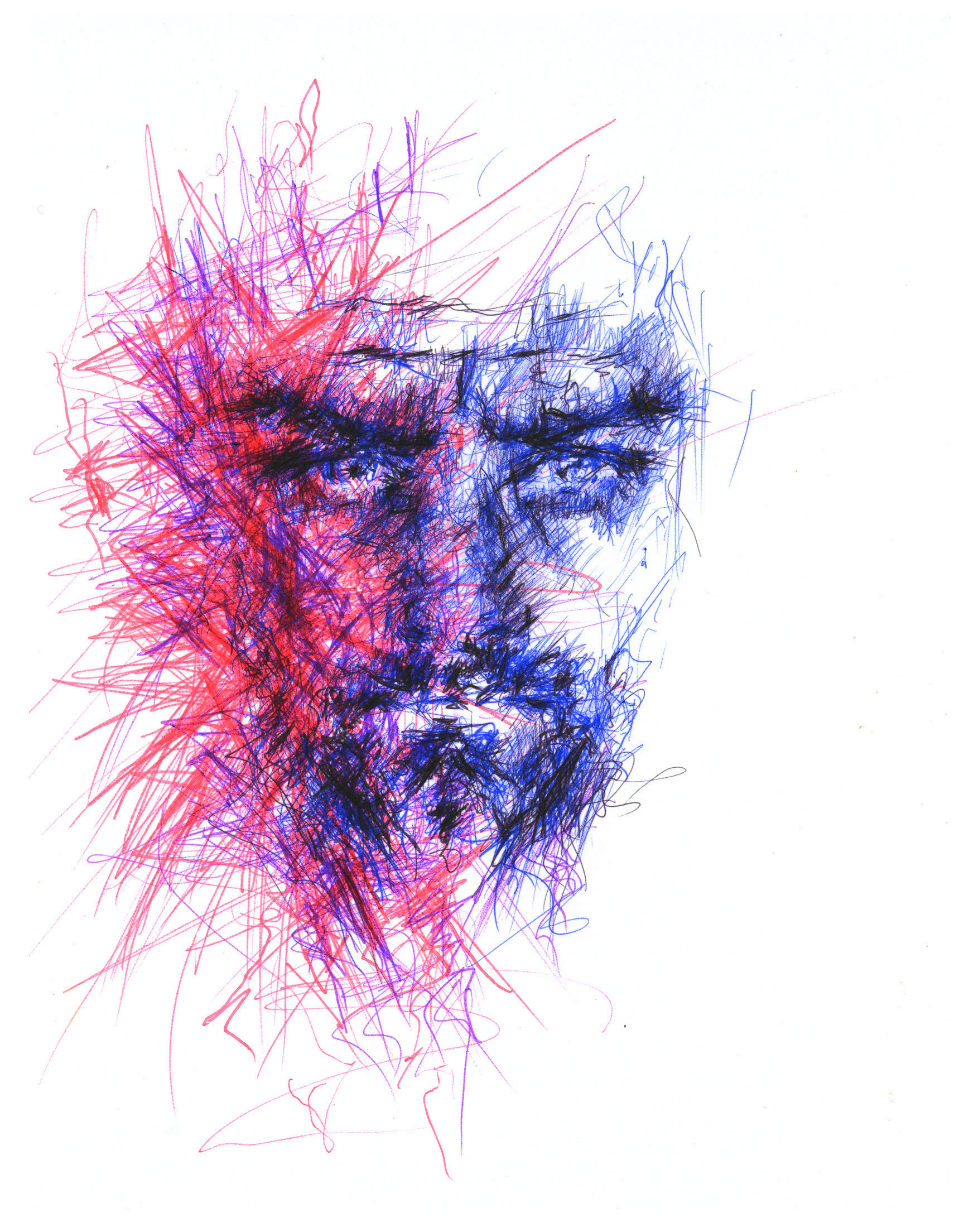
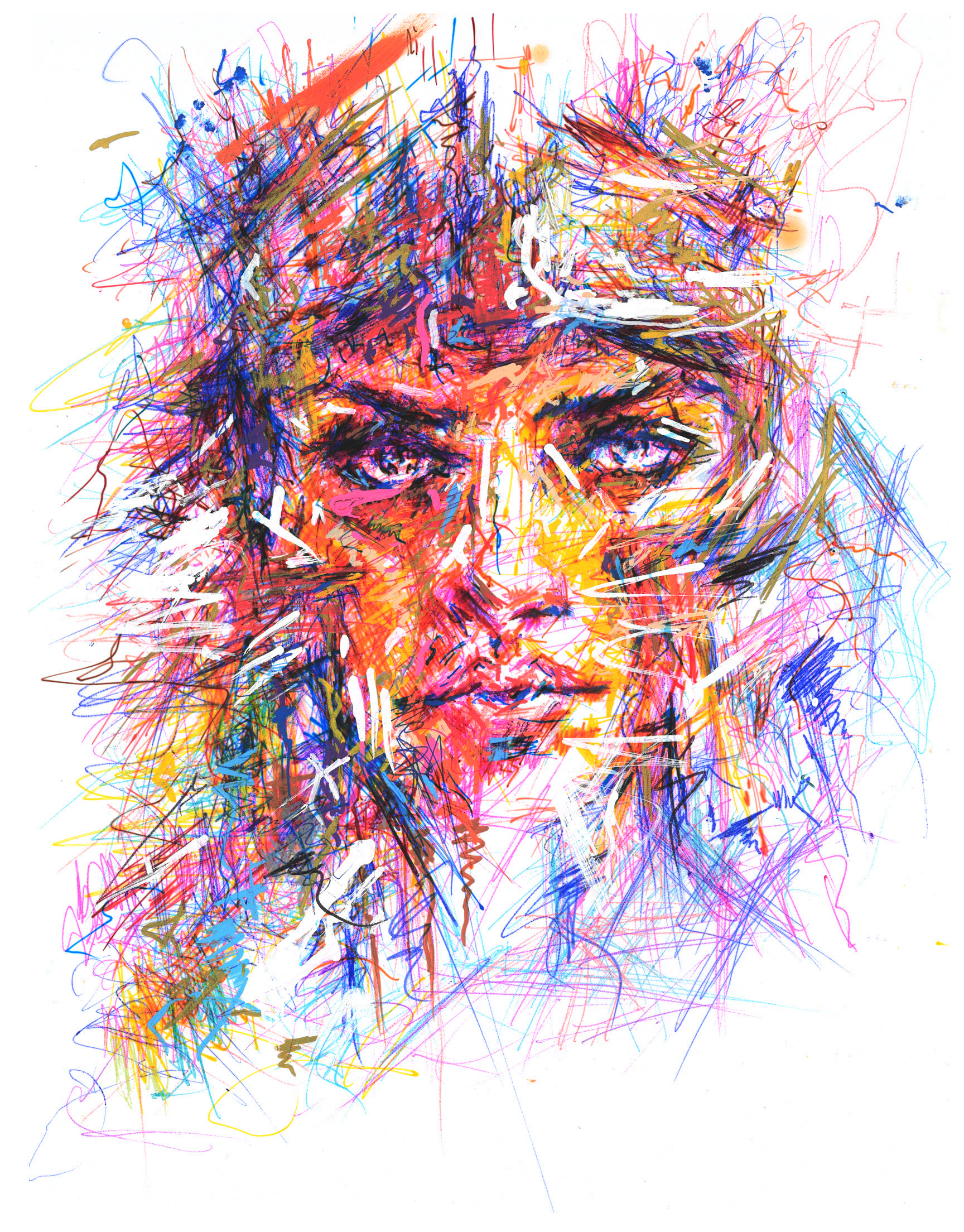
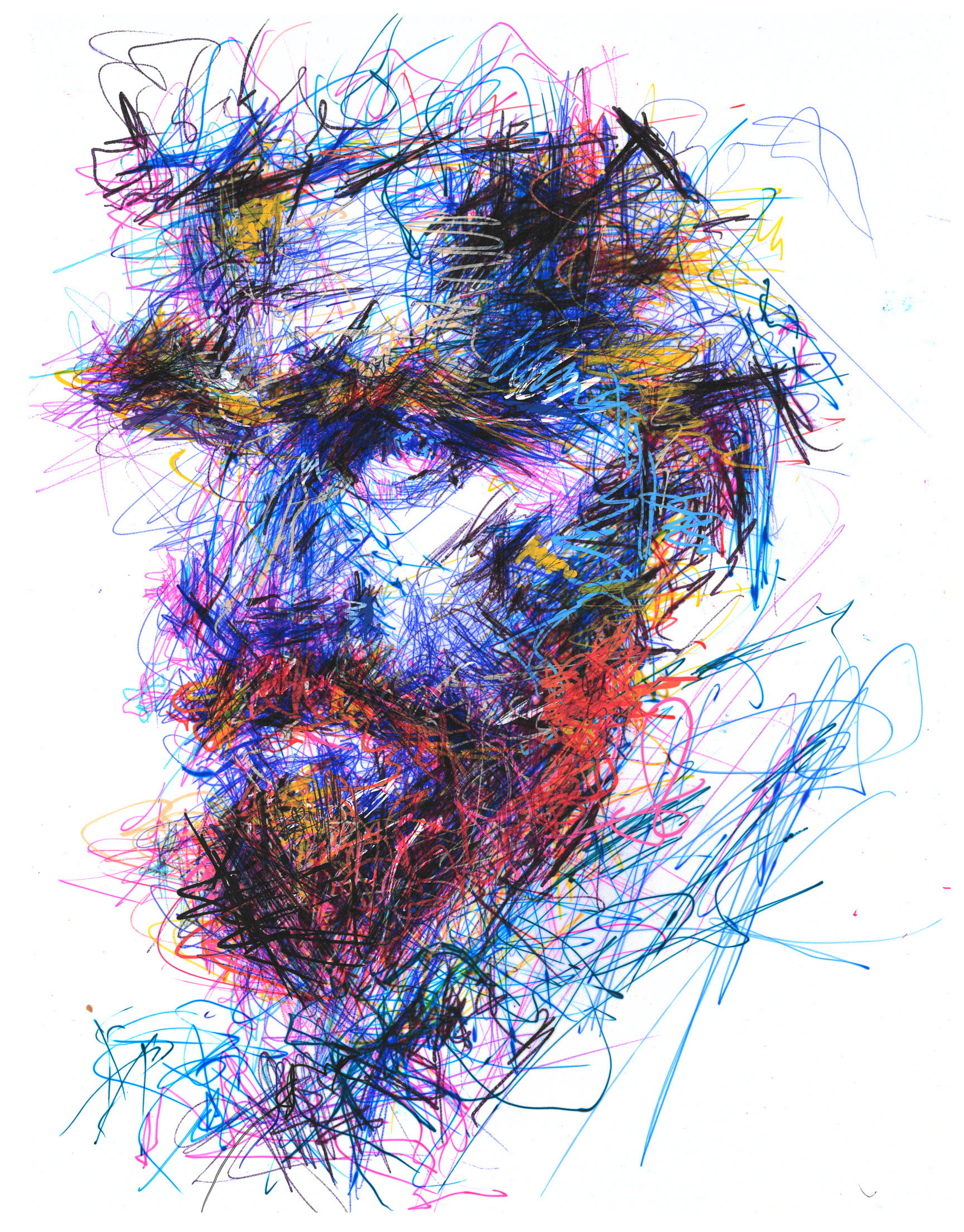
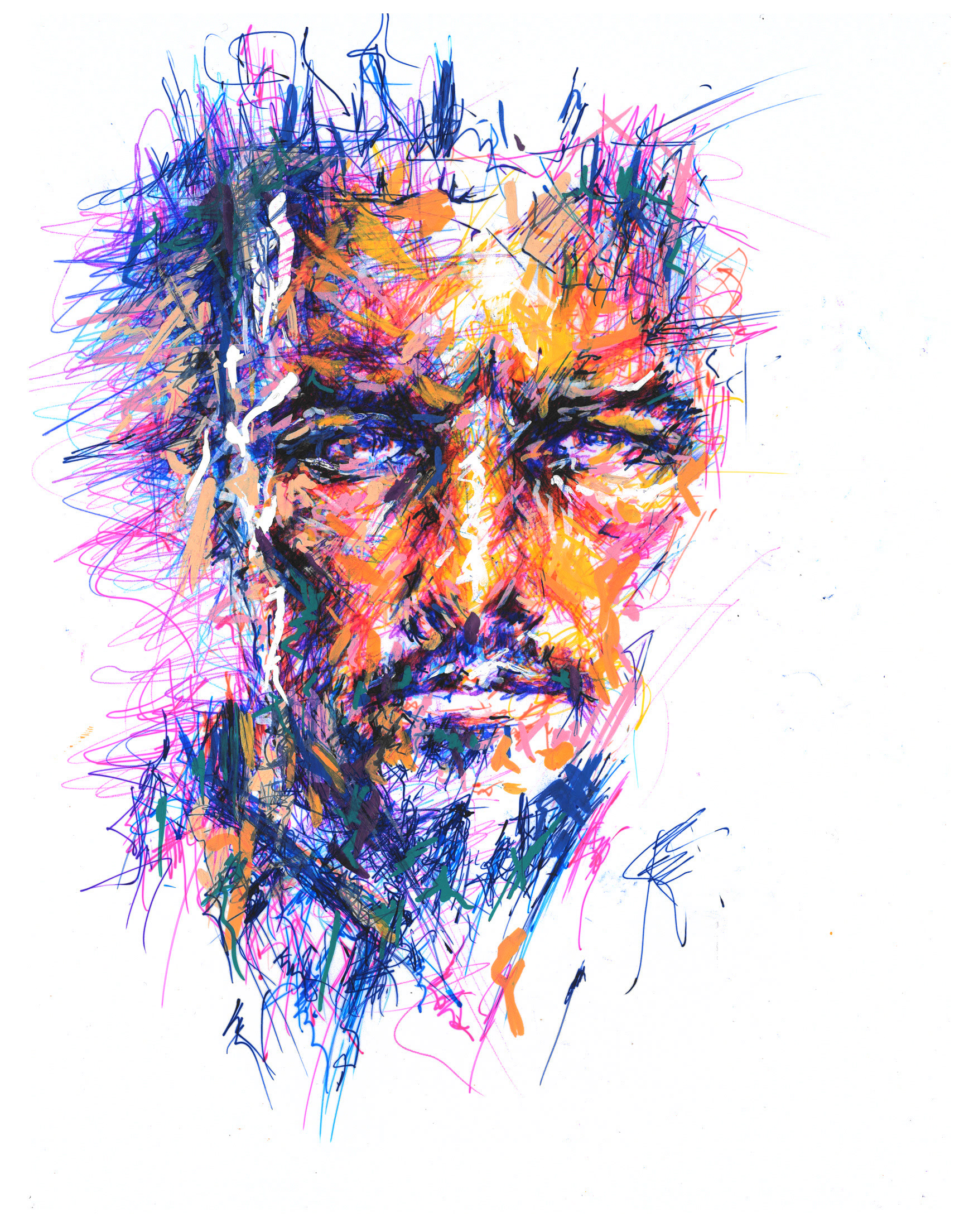
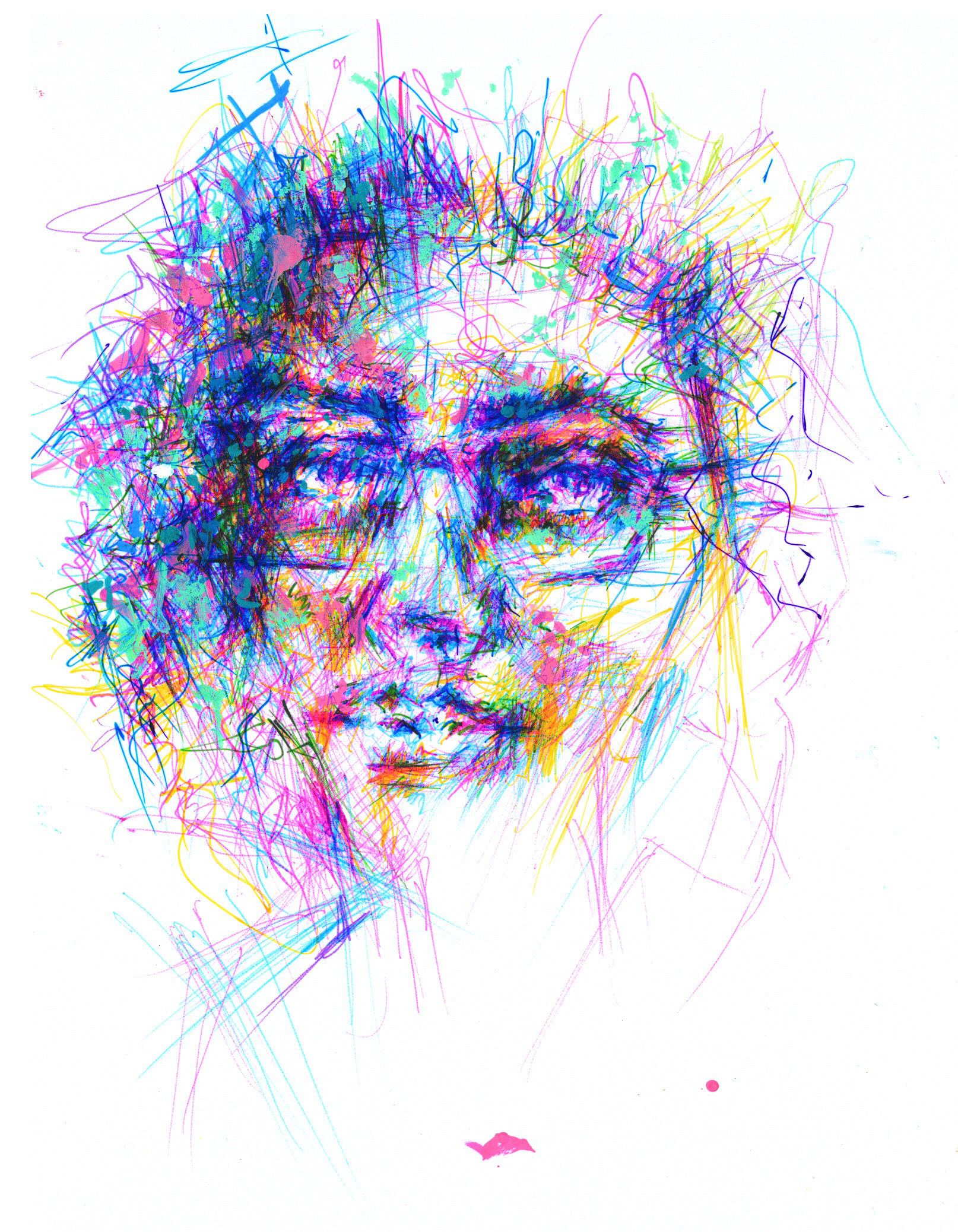
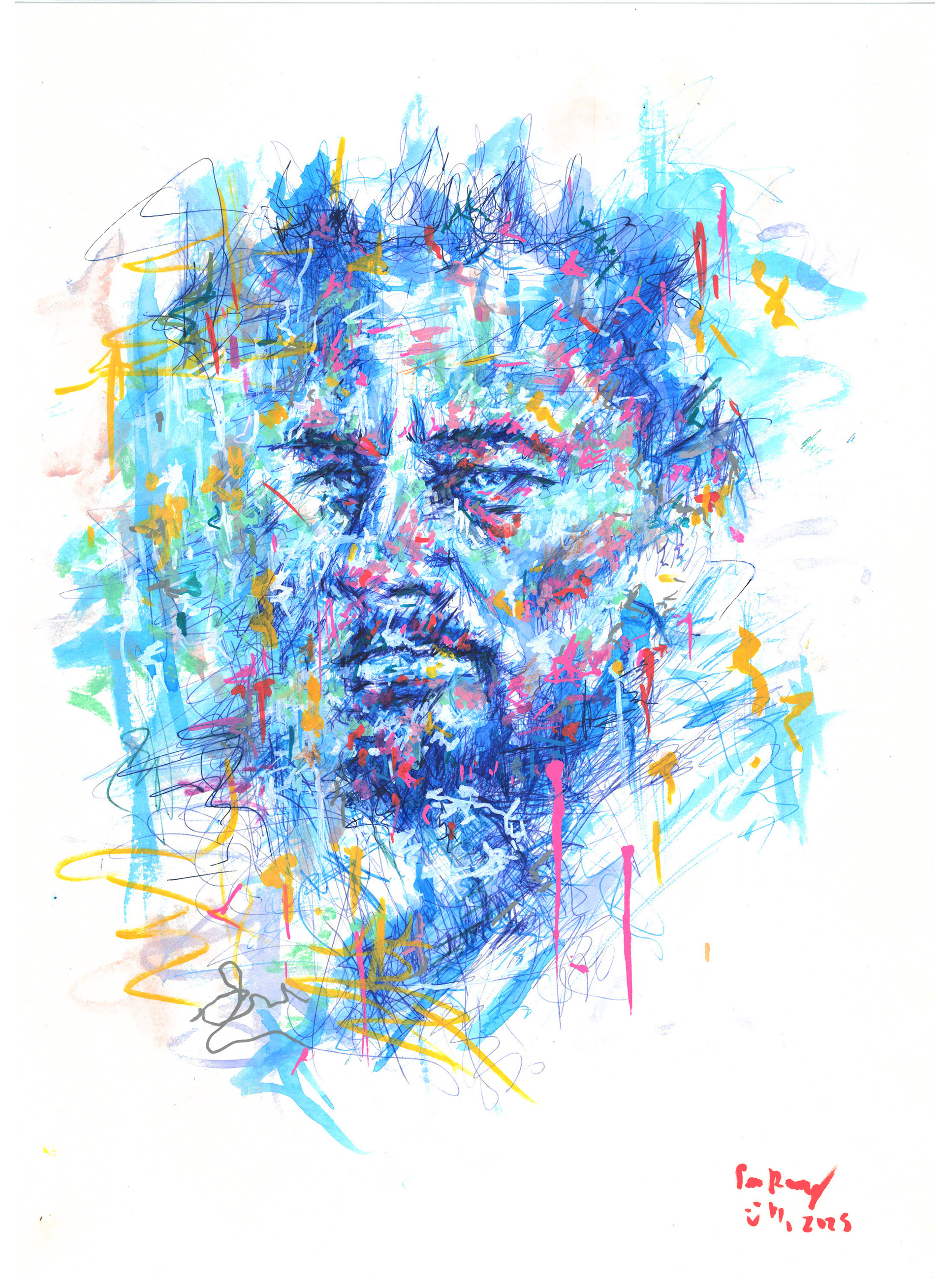
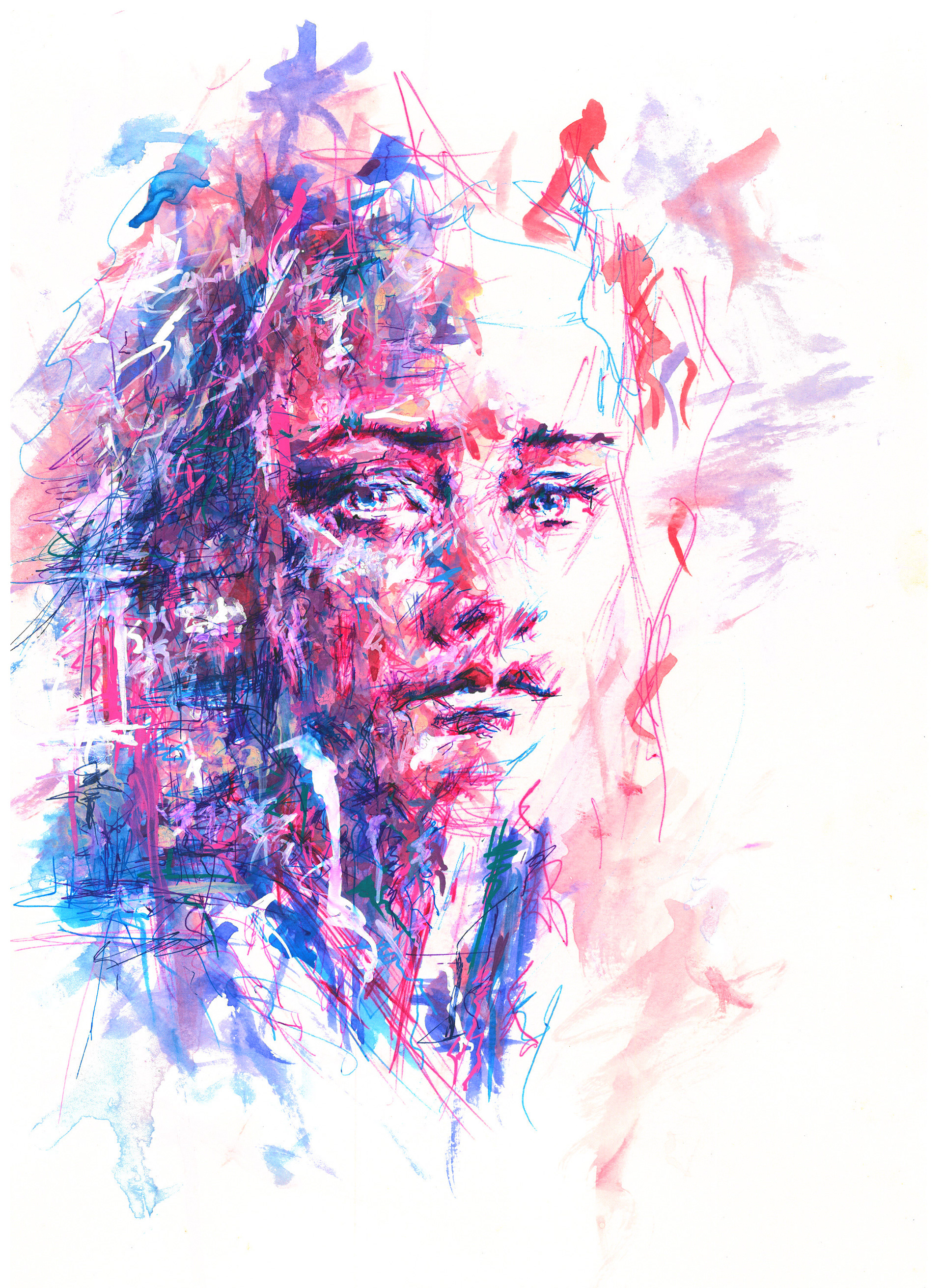
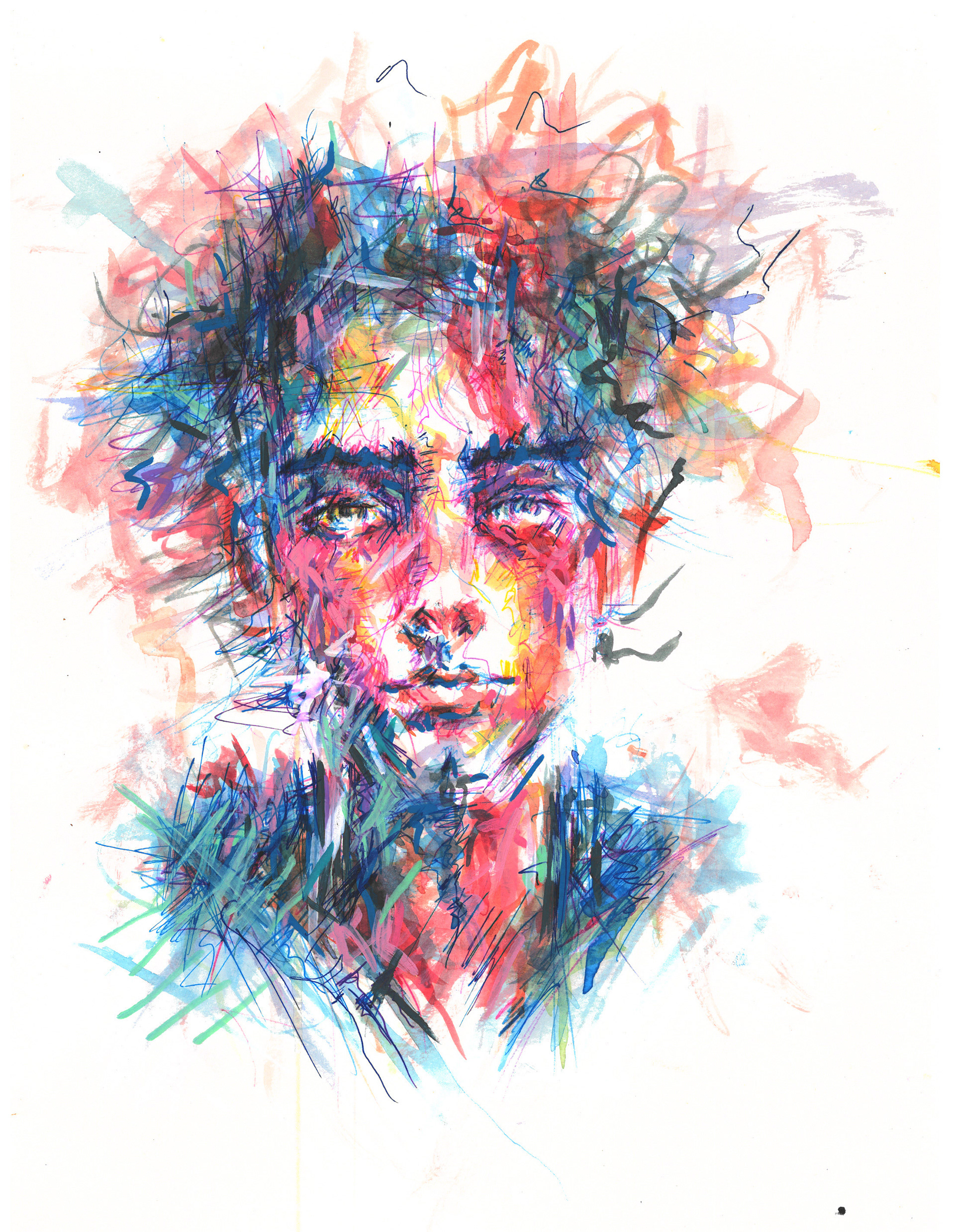
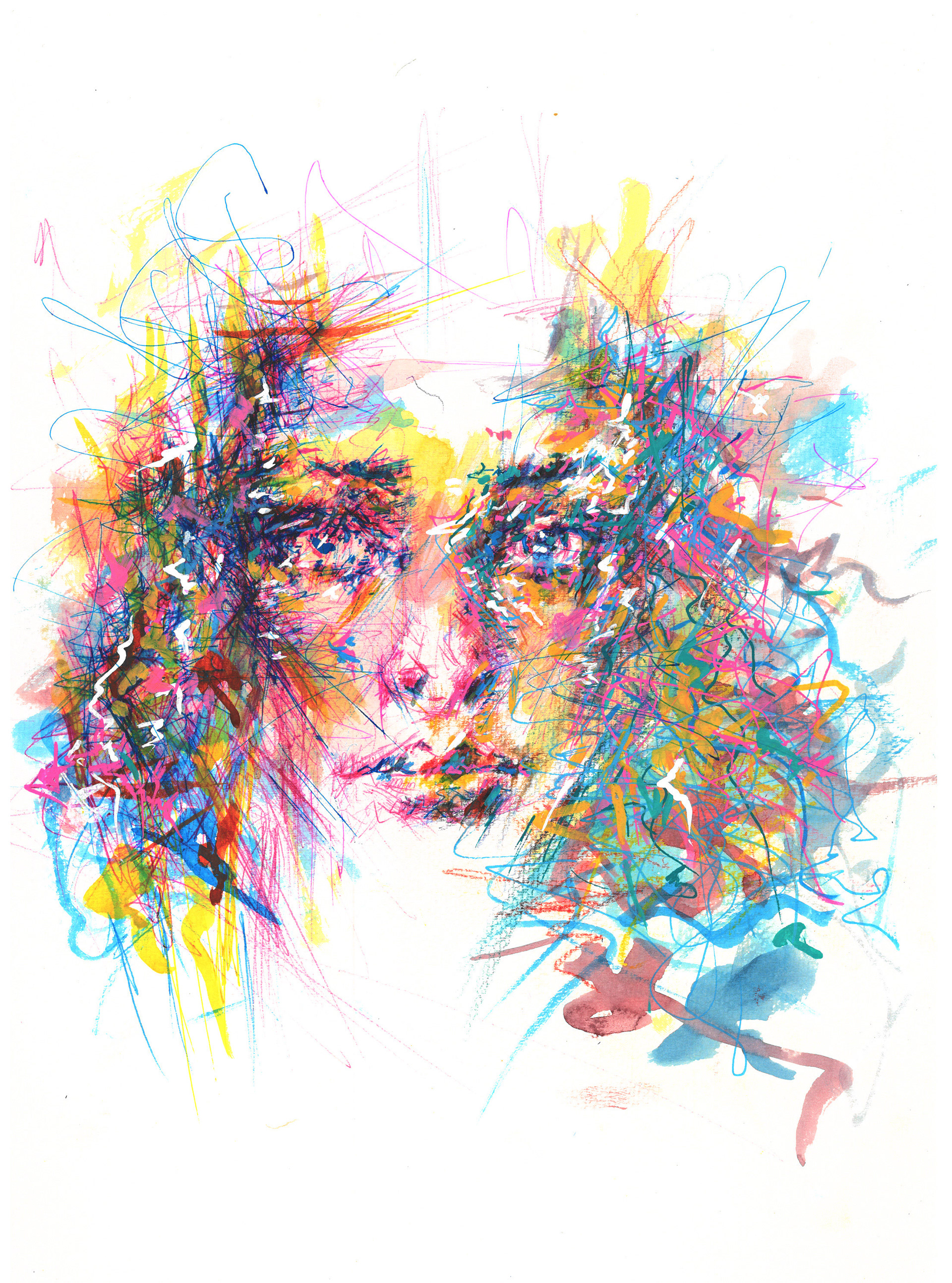
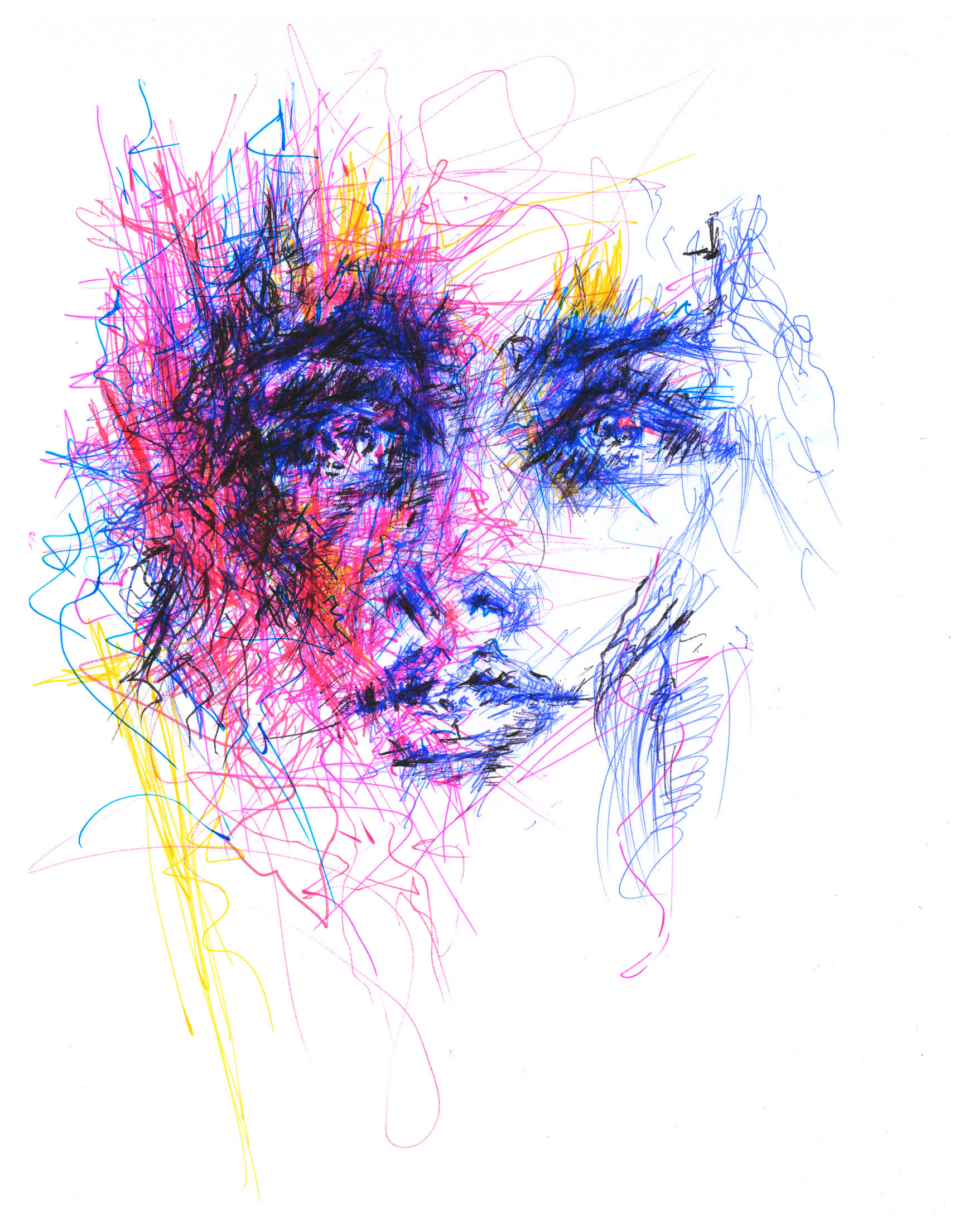
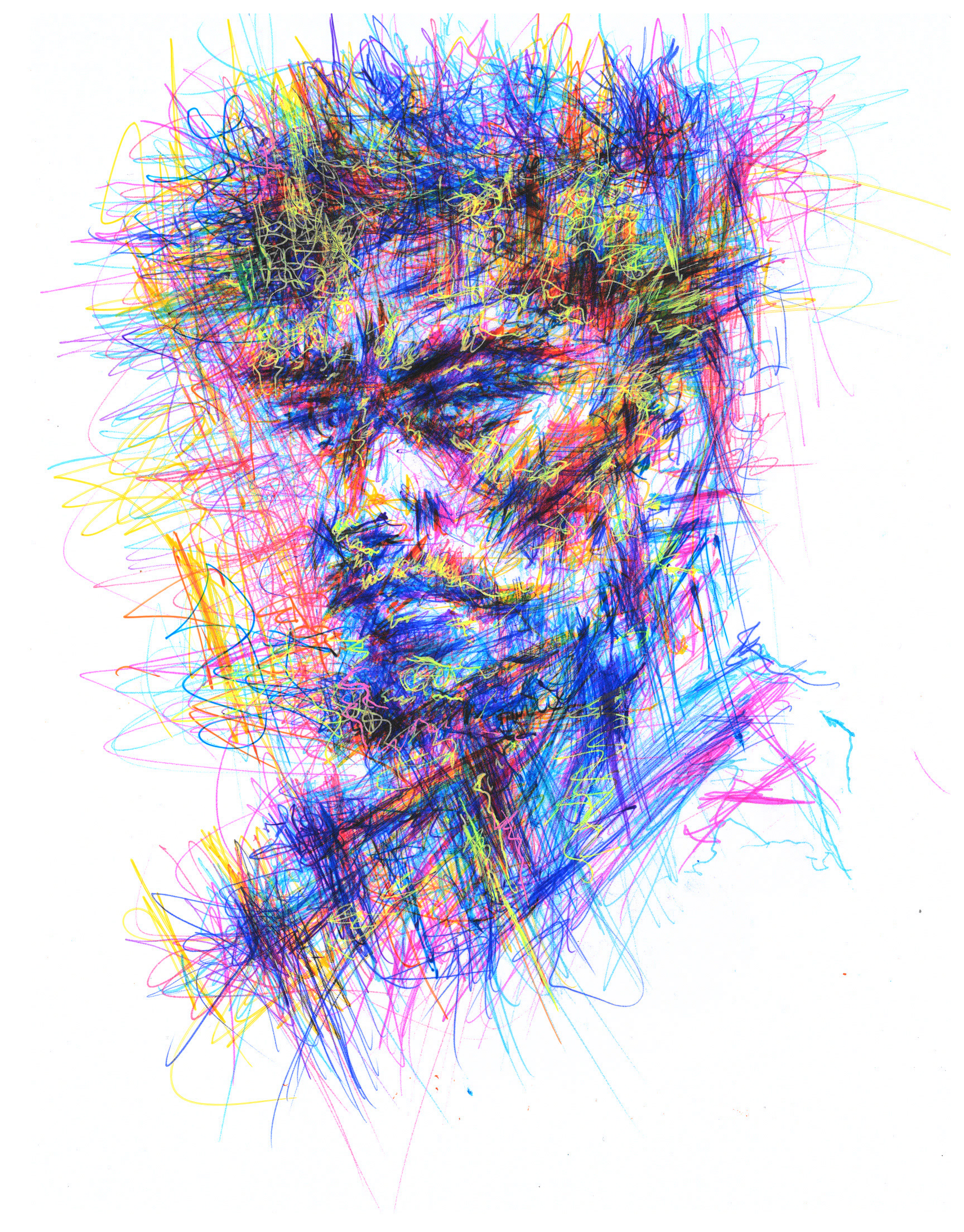
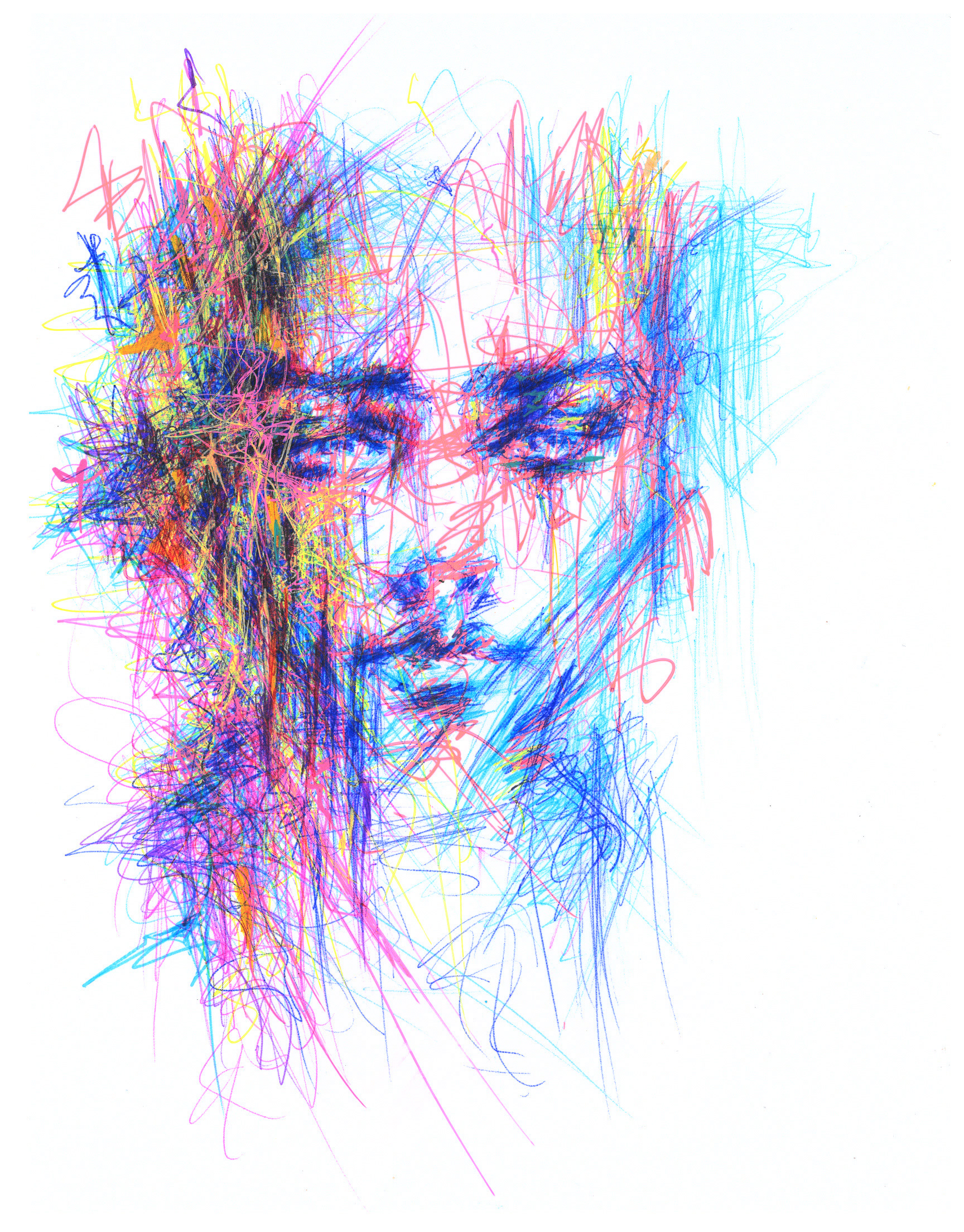
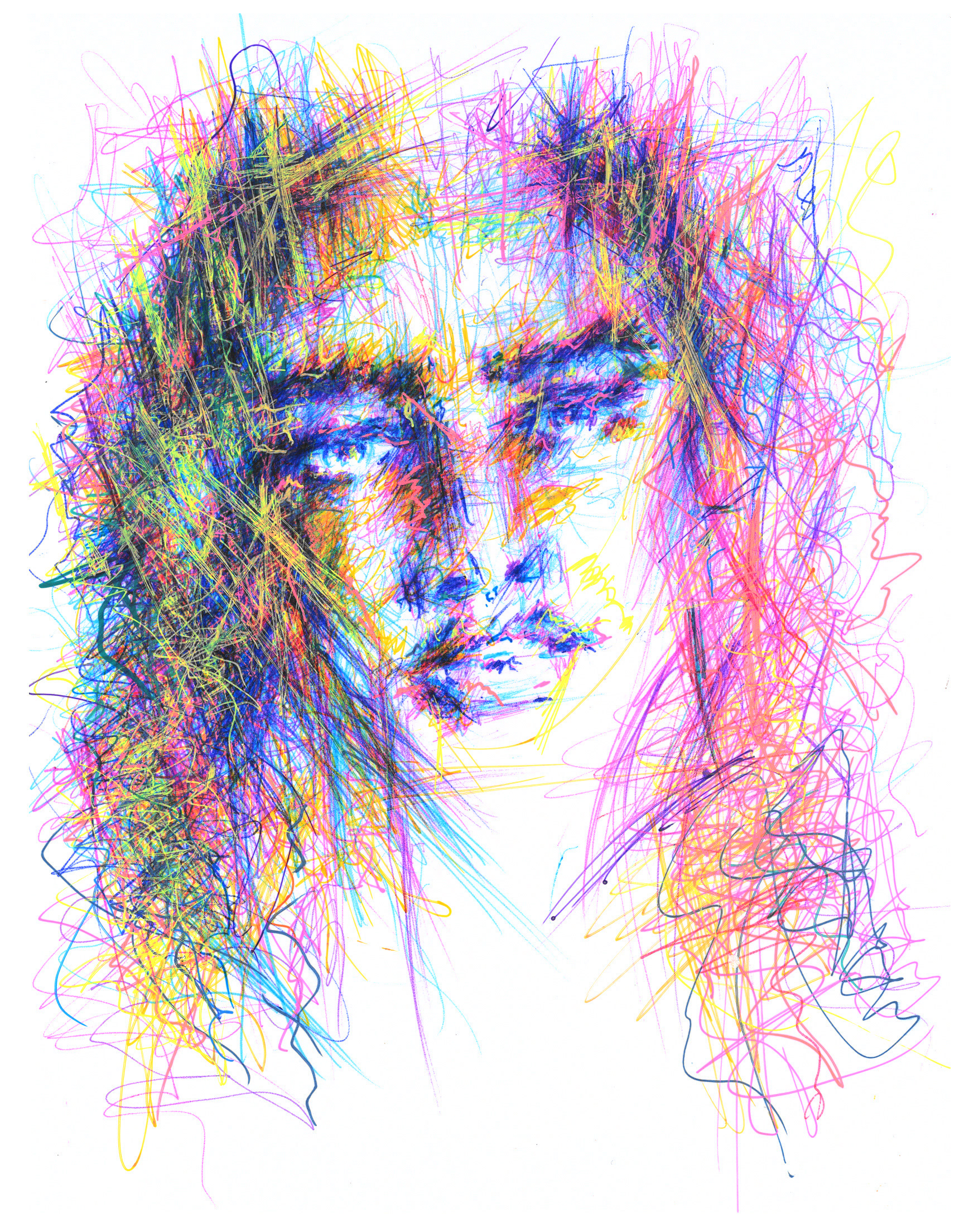
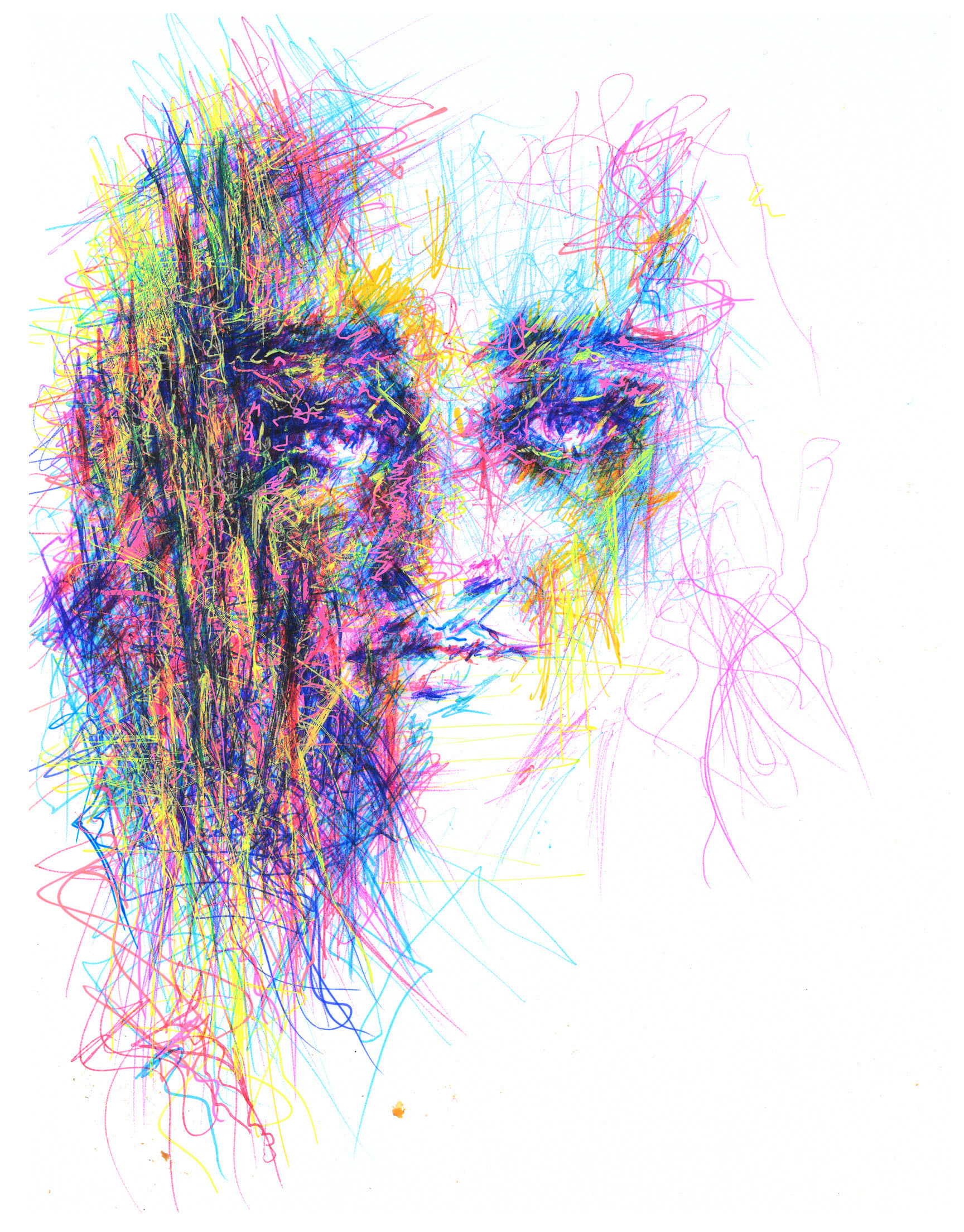
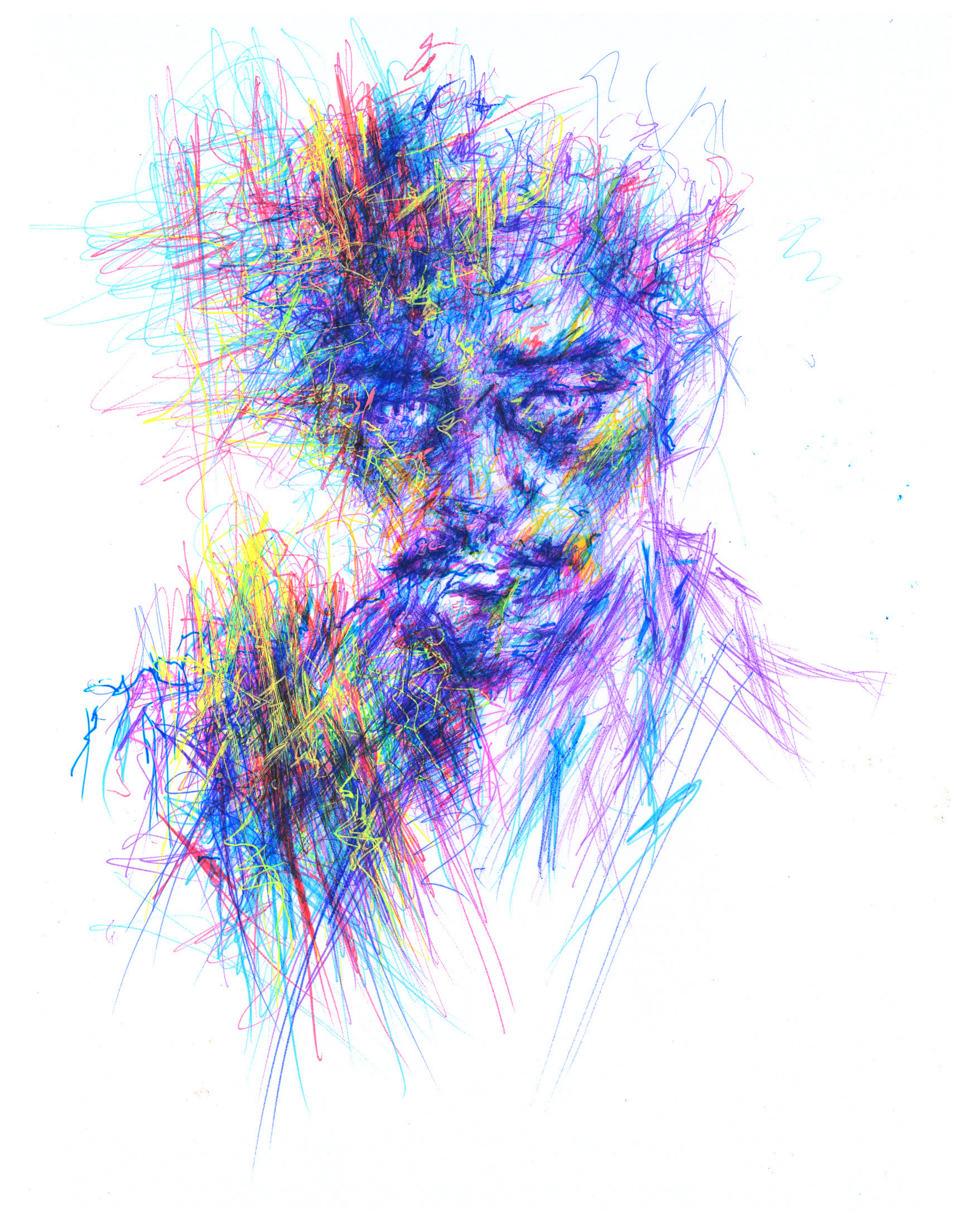
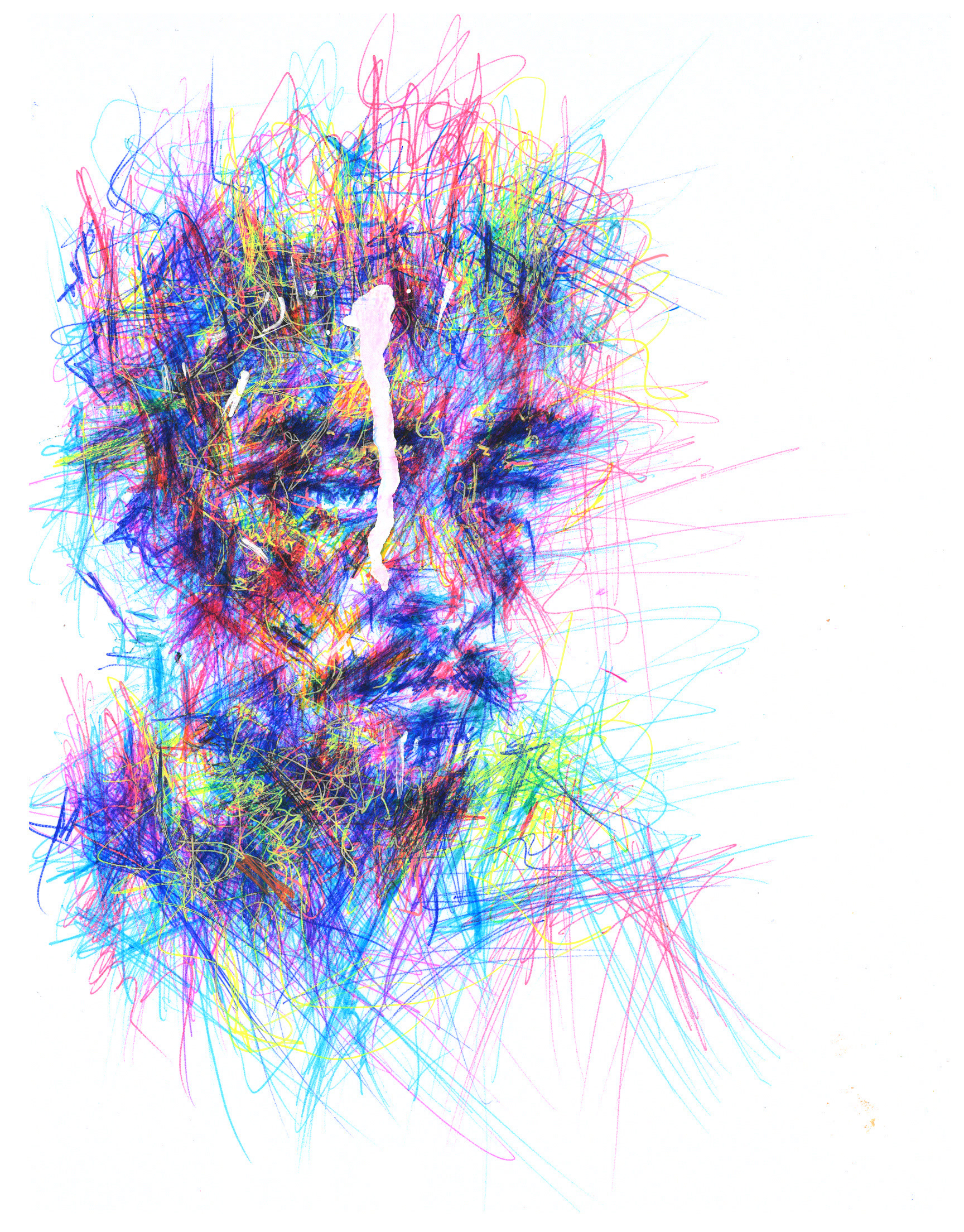
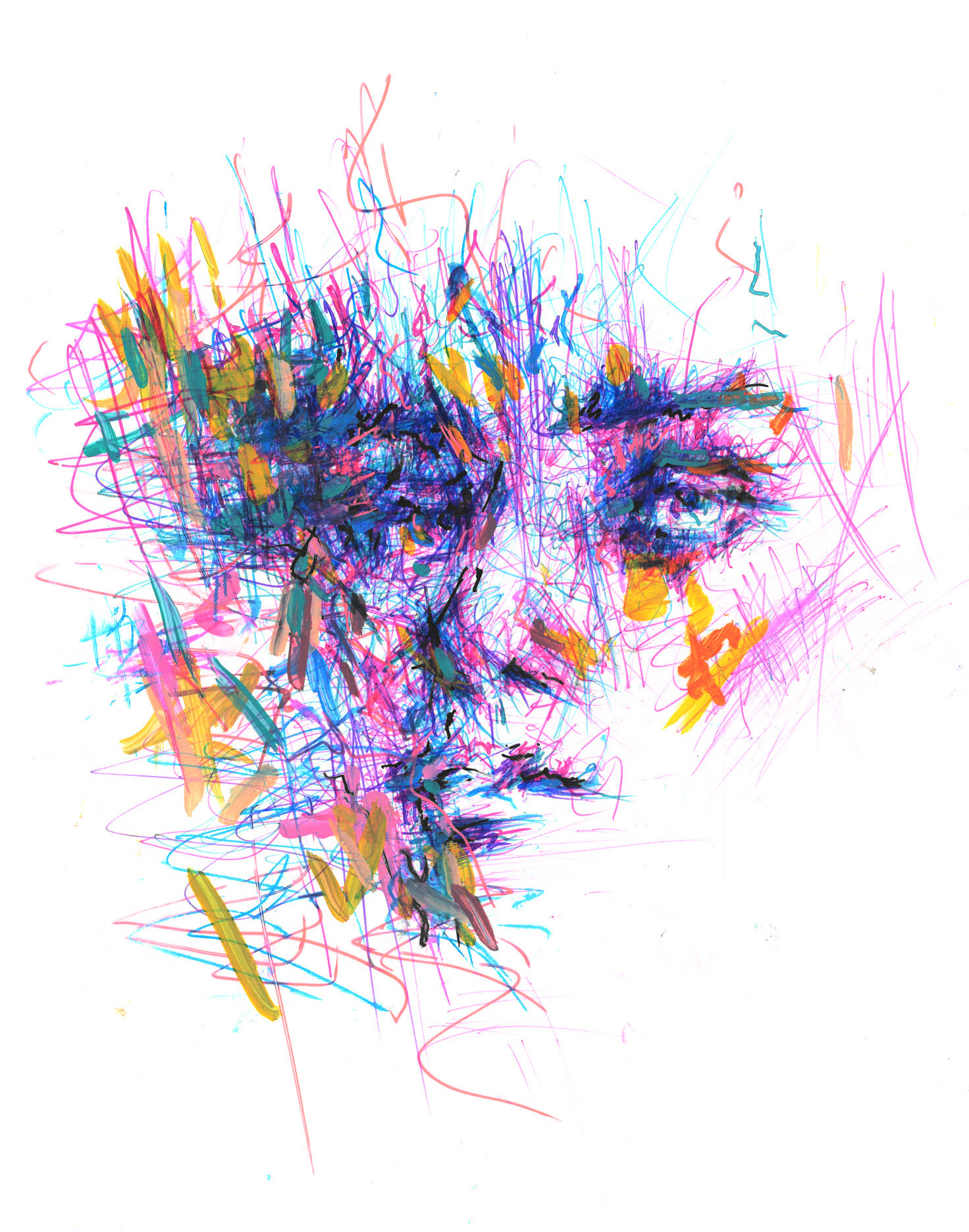
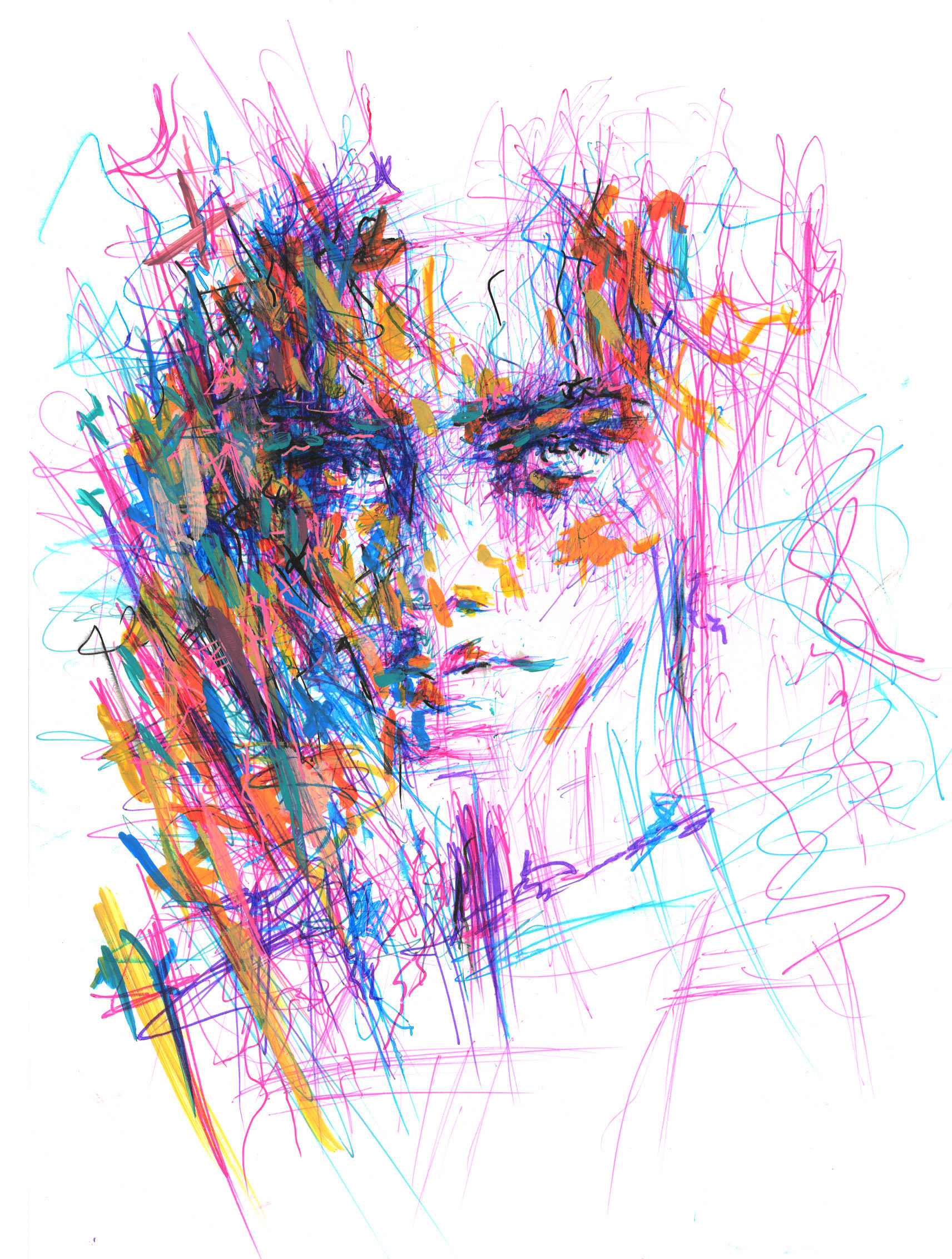
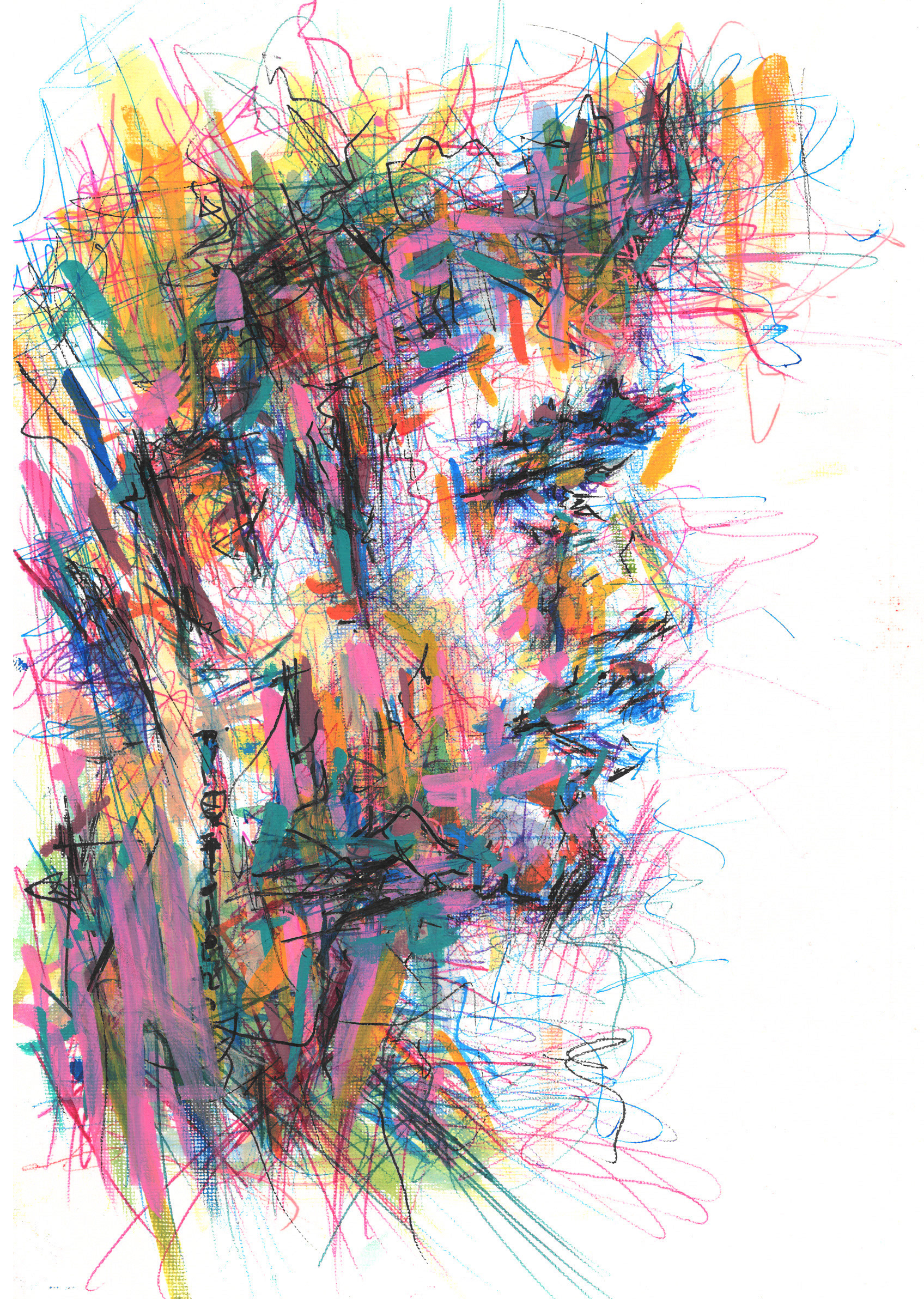
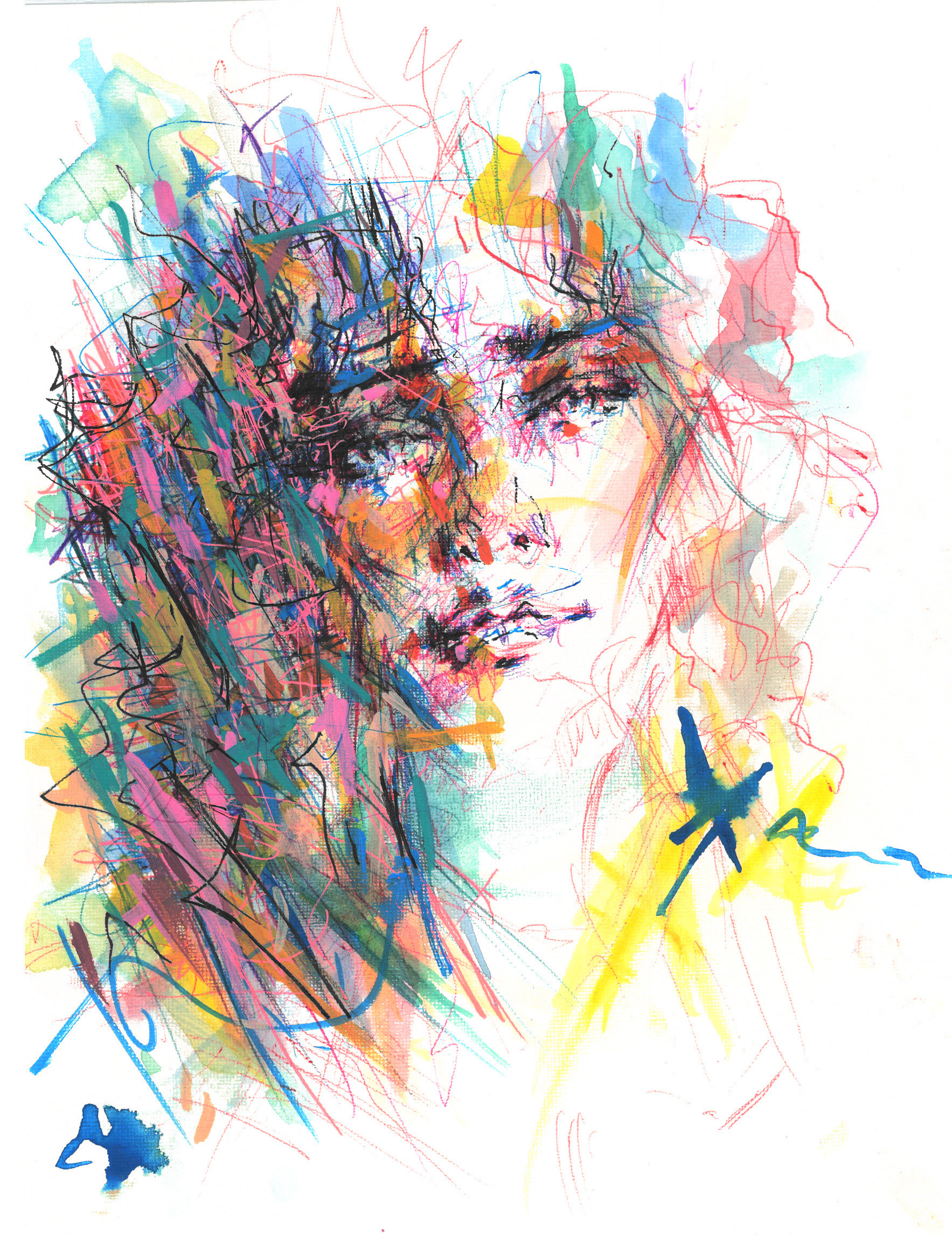
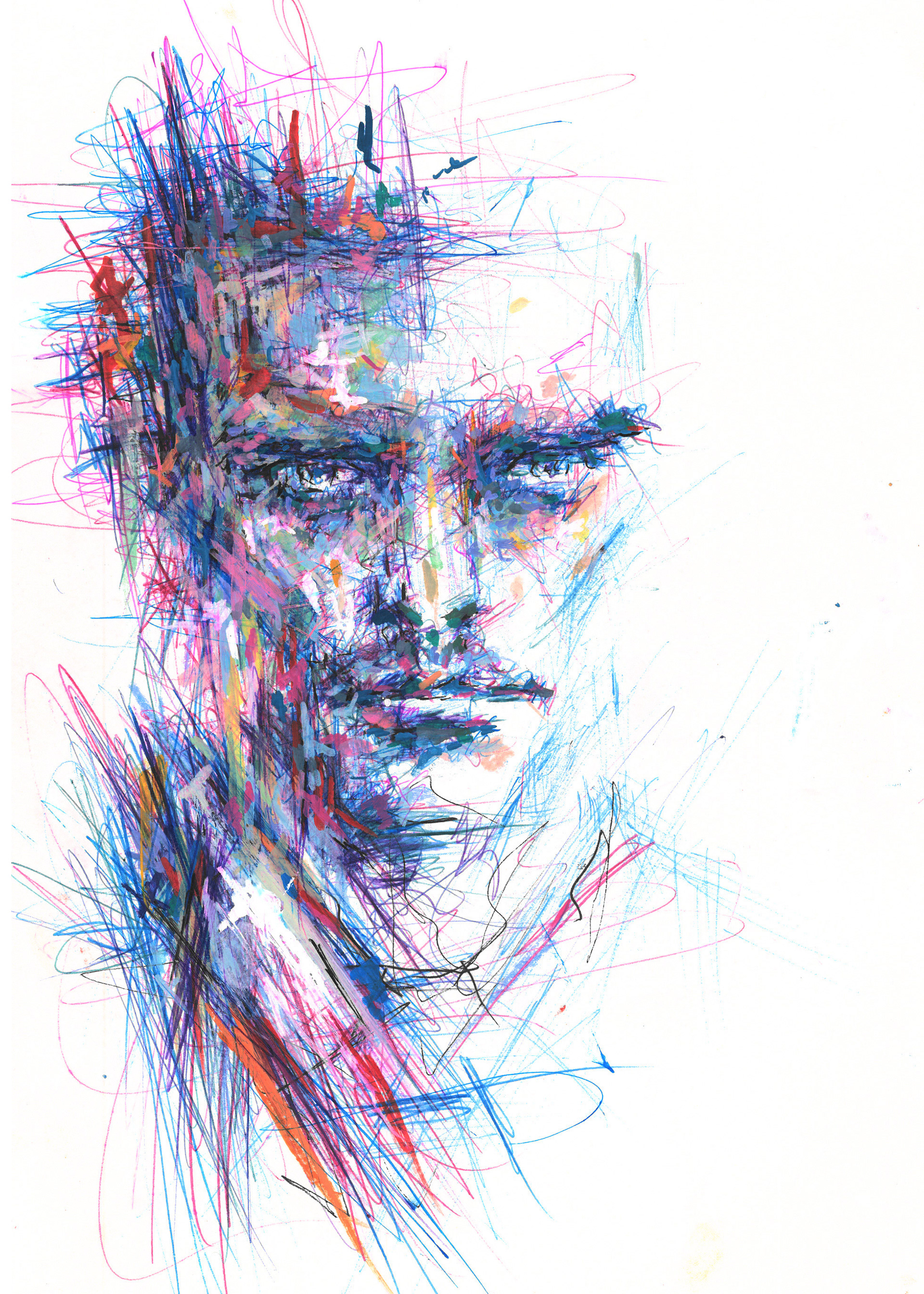
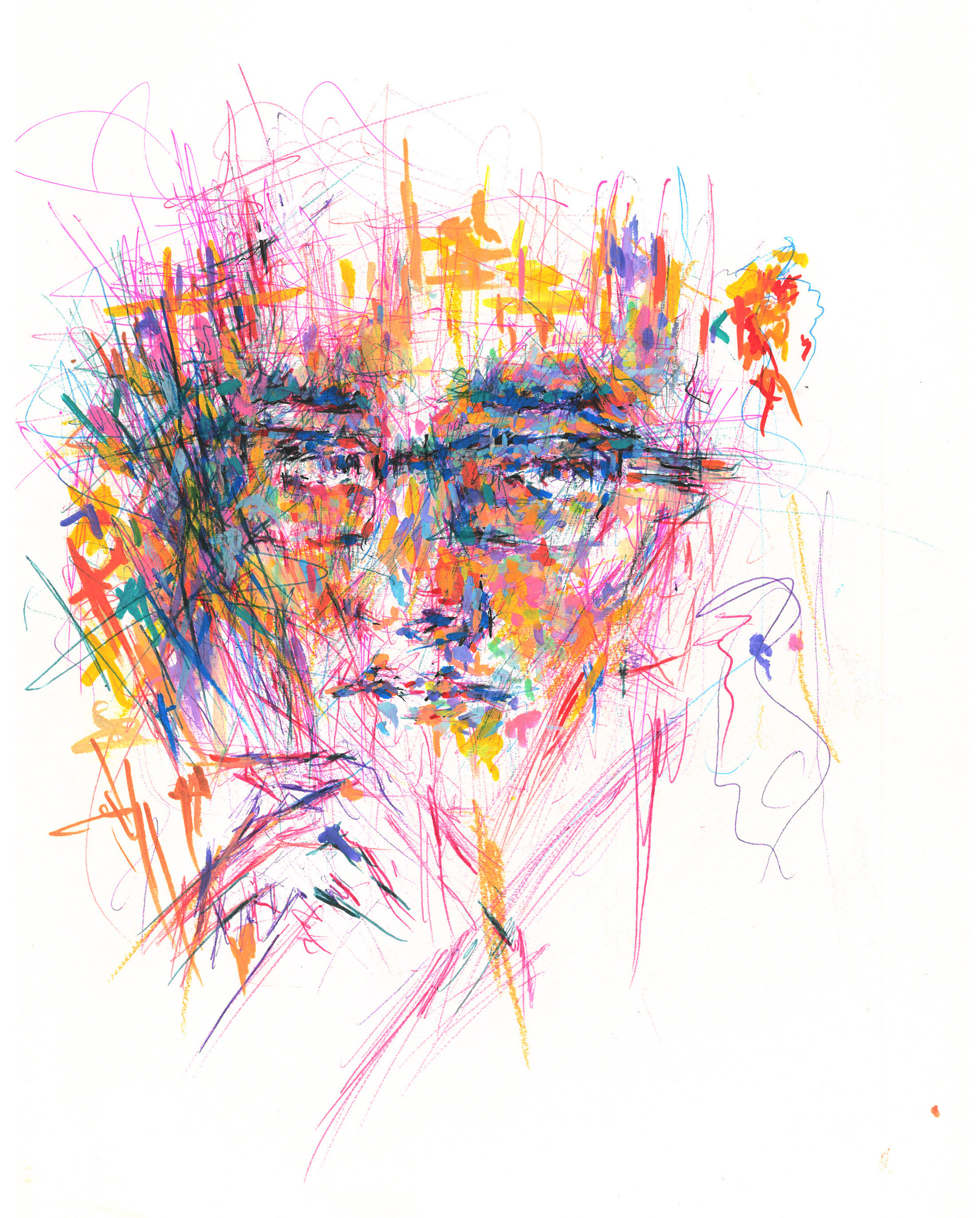
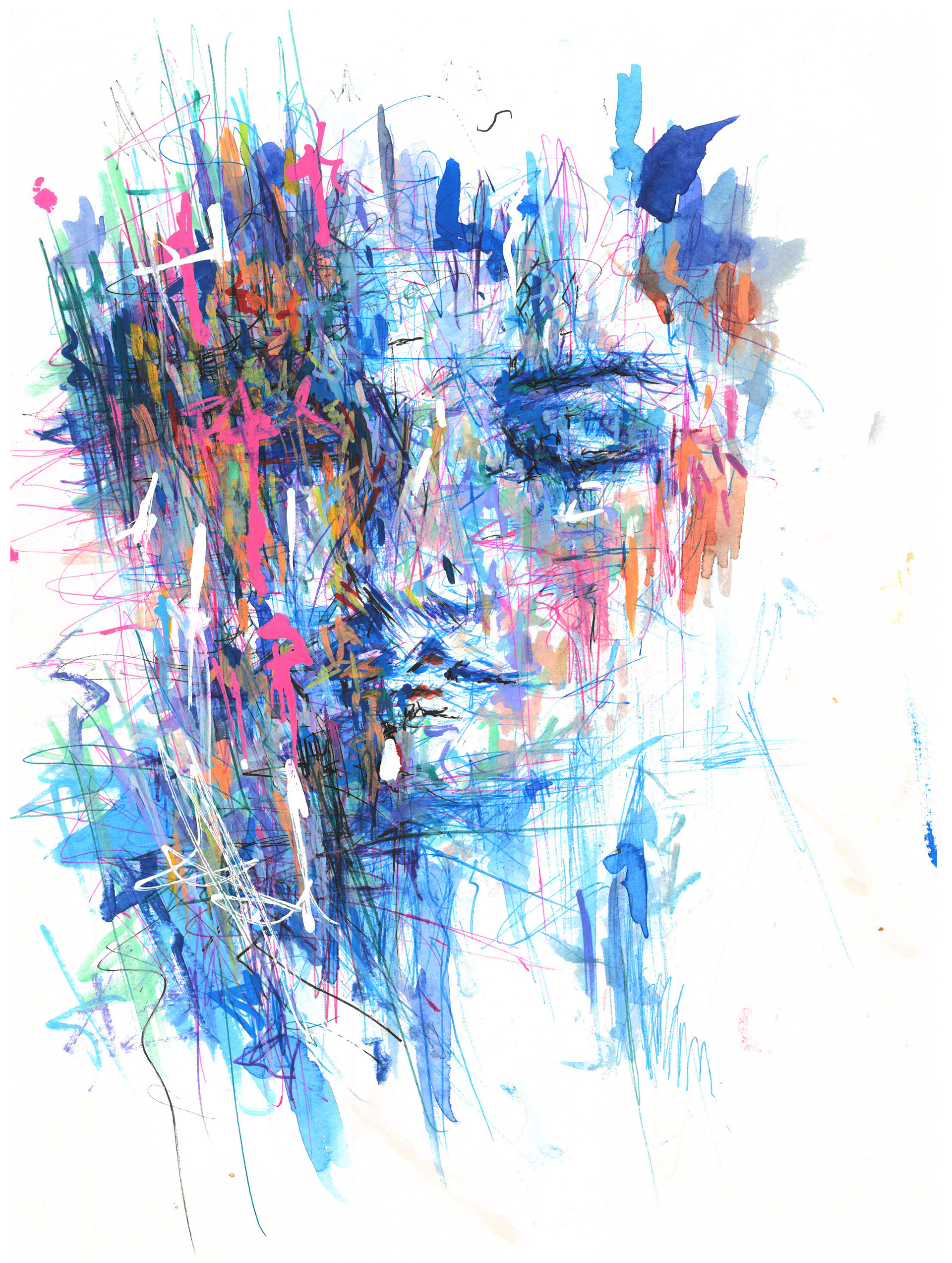
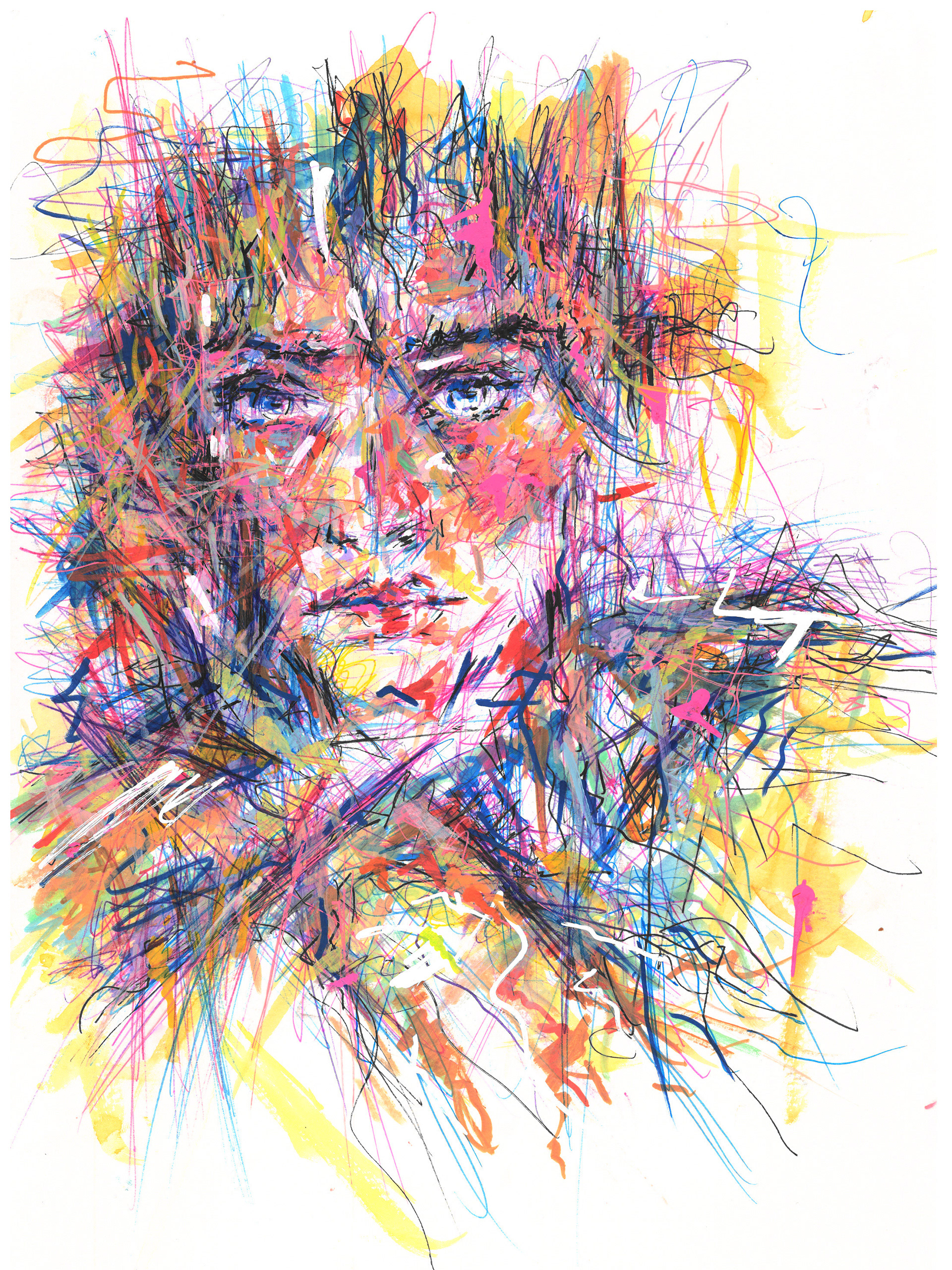
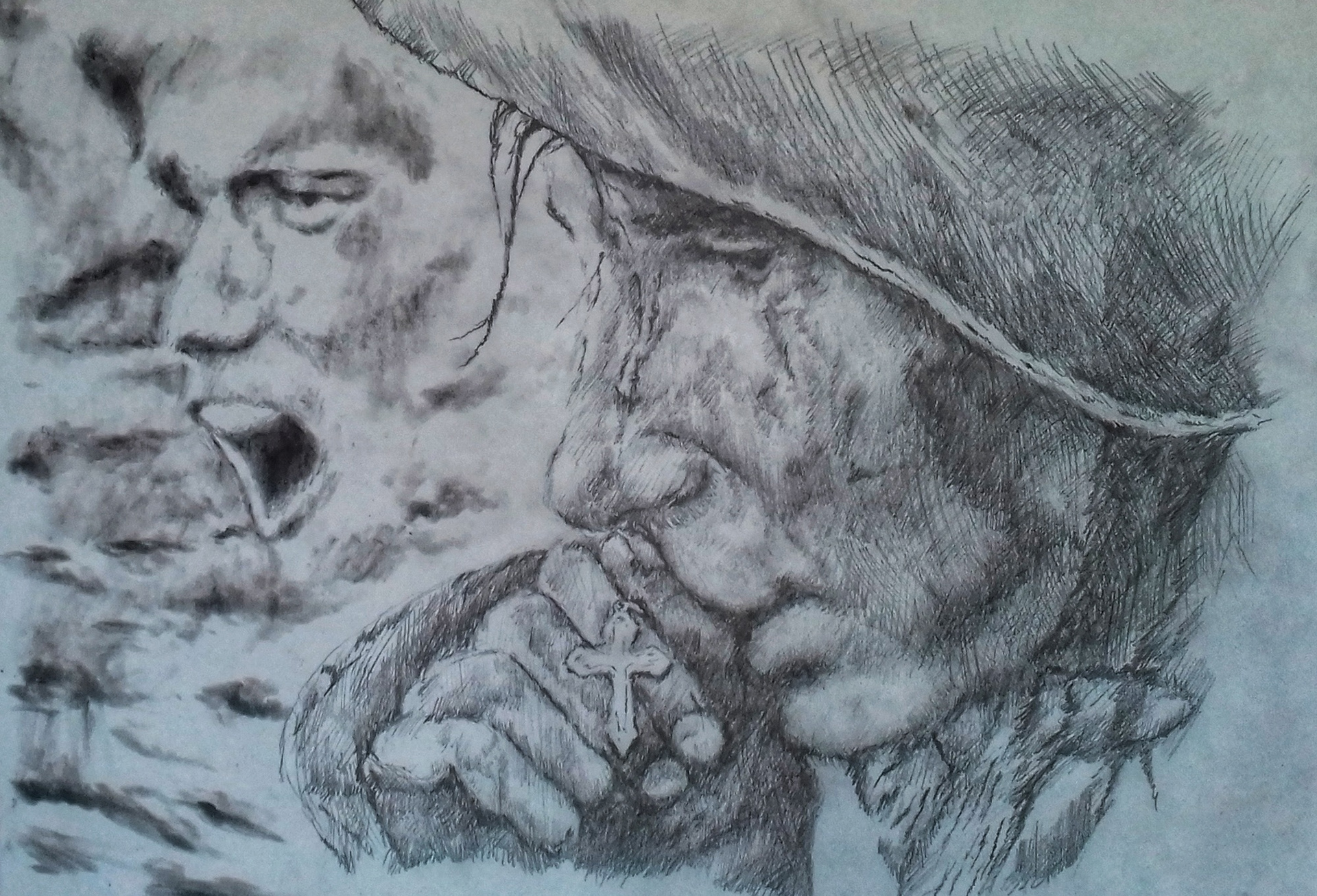
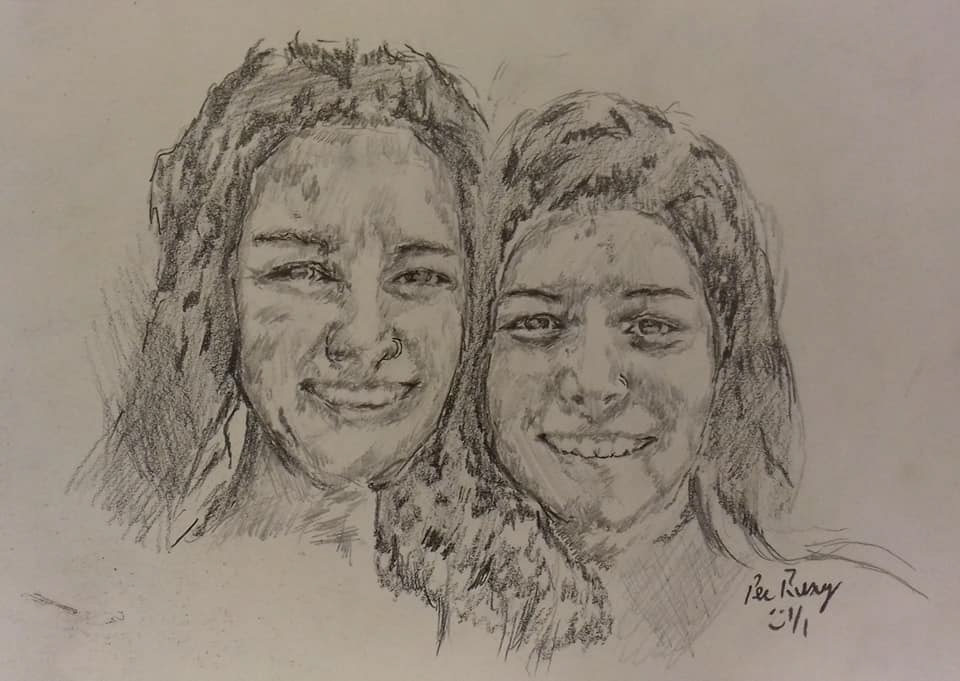
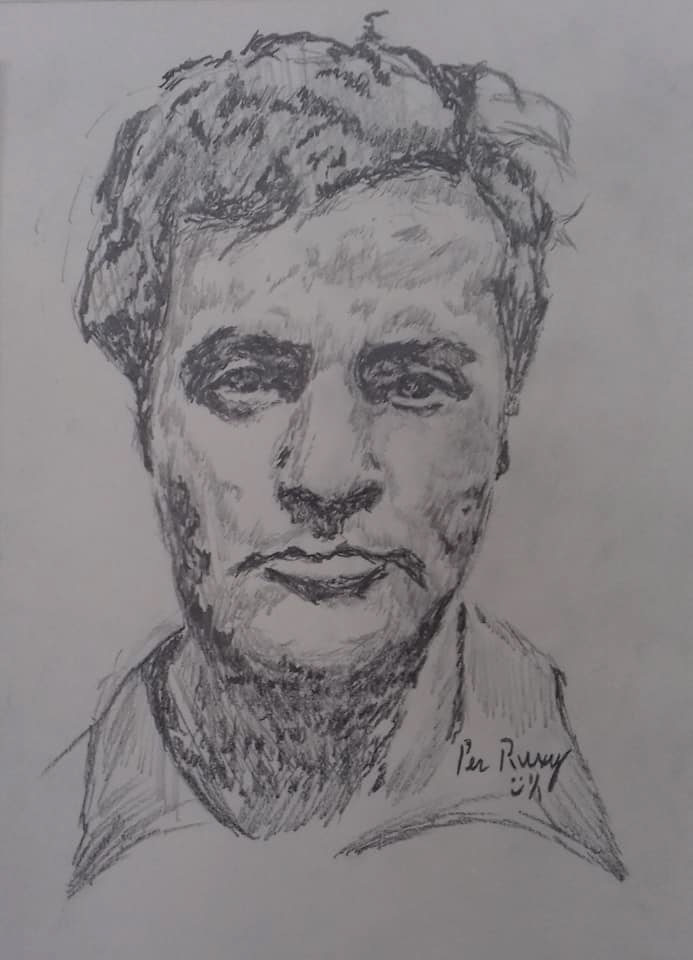
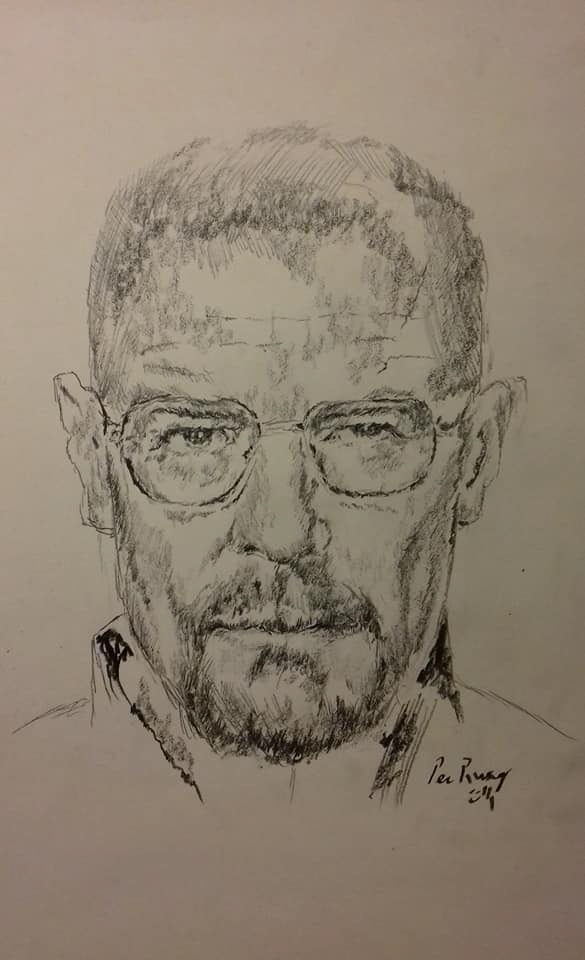
Vincent’s portrait work began in Sicily, shaped by poverty, instability, and an unlikely apprenticeship with a volatile art professor. During this period, he lived day to day, often seeking warmth and shelter in cafés where he could continue drawing.
These pencil portraits emerge from that experience. They are studies of the human face, but also records of endurance: intimate, imperfect, and deeply tied to the act of creating under pressure.
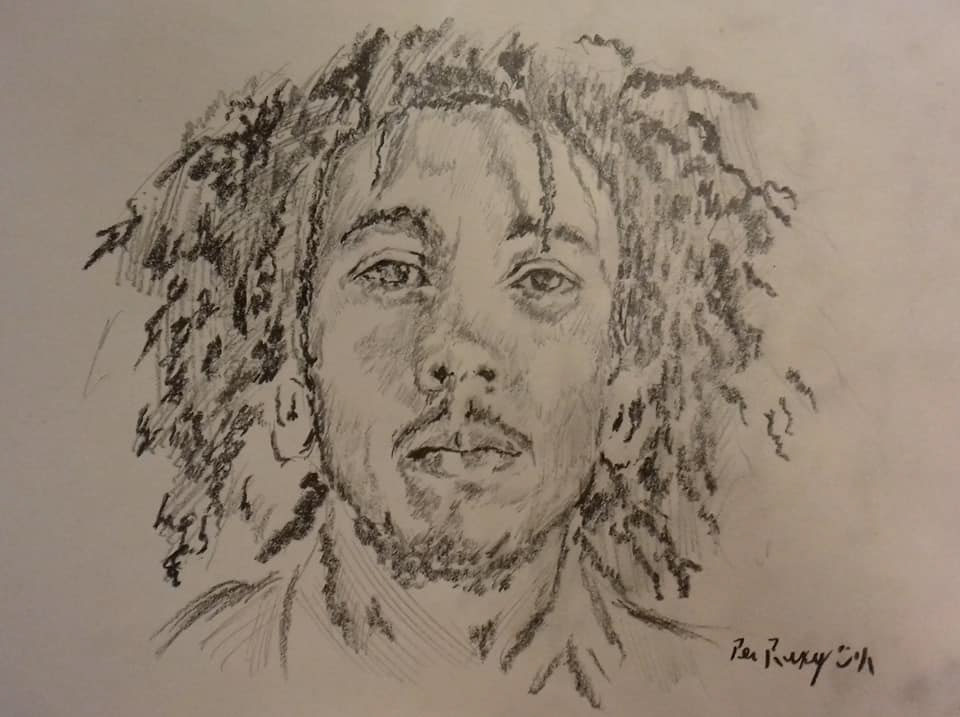
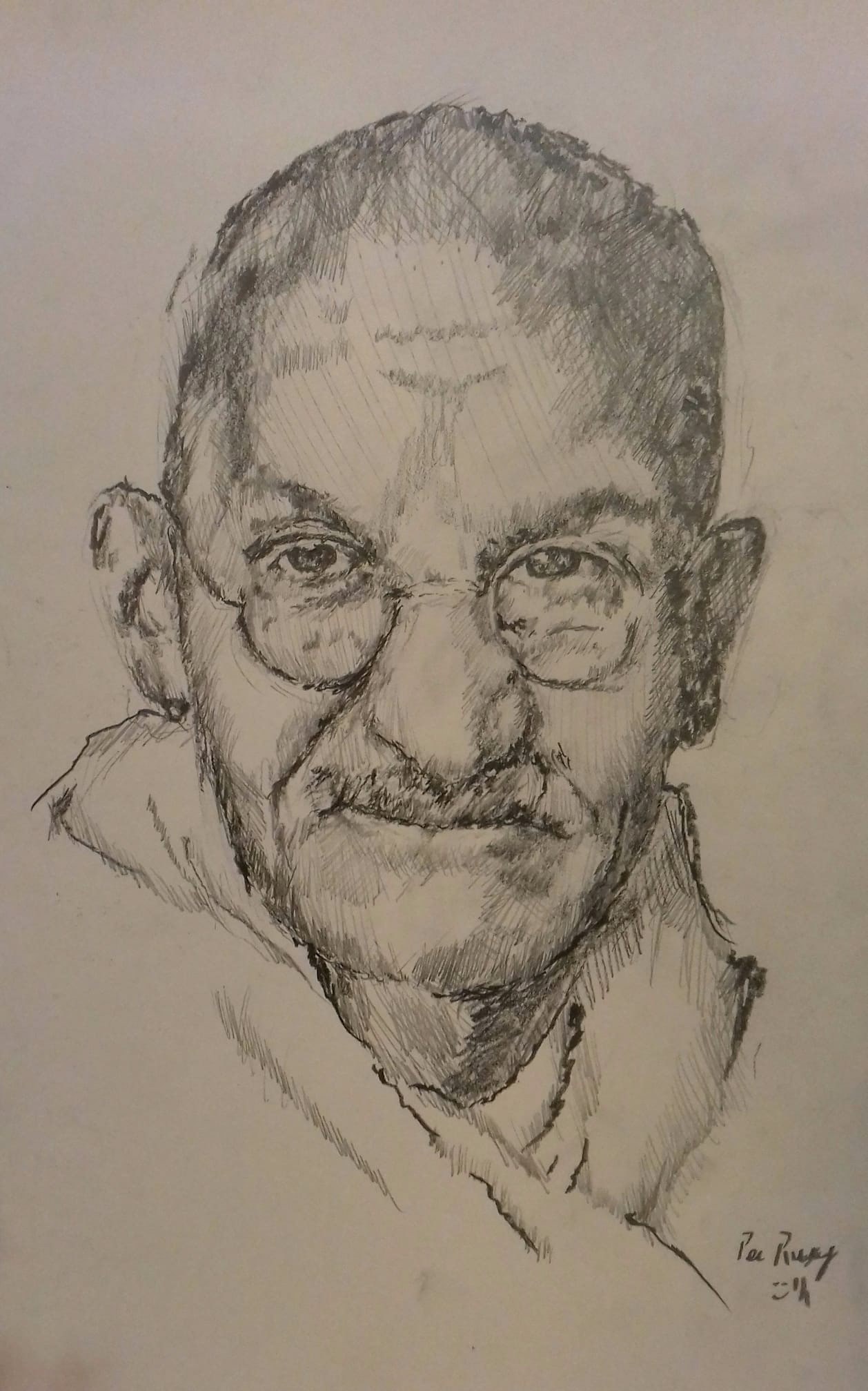
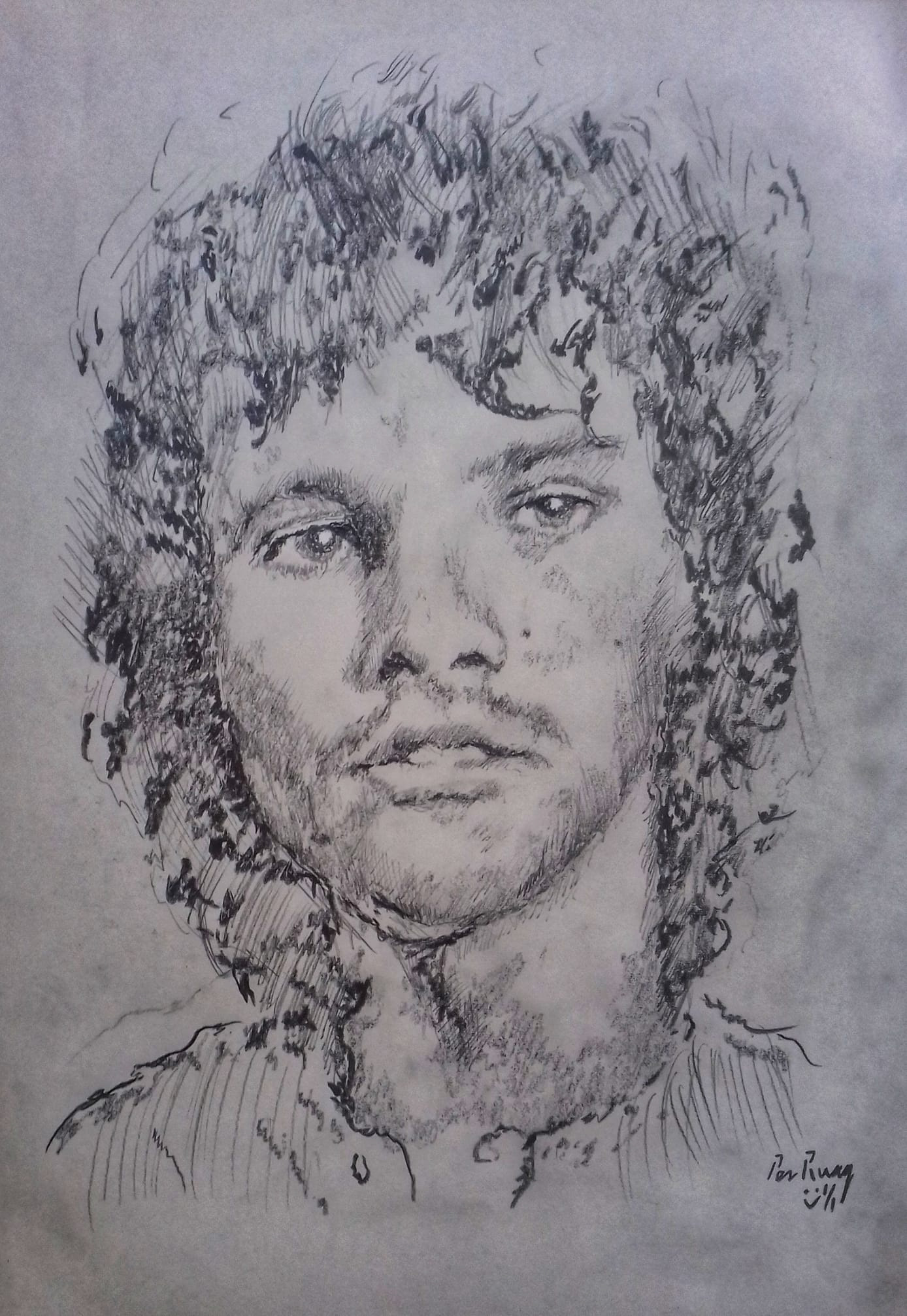
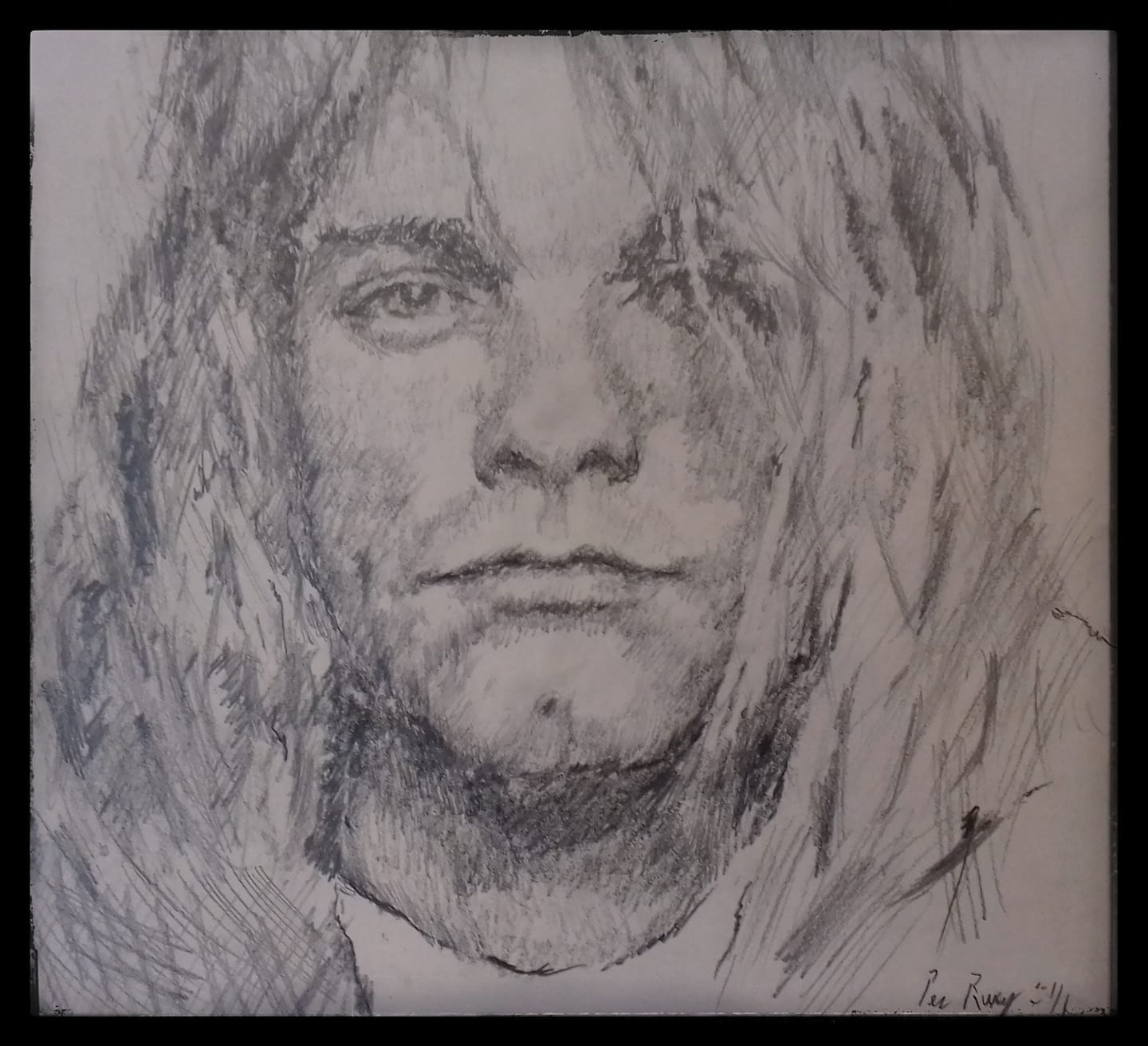
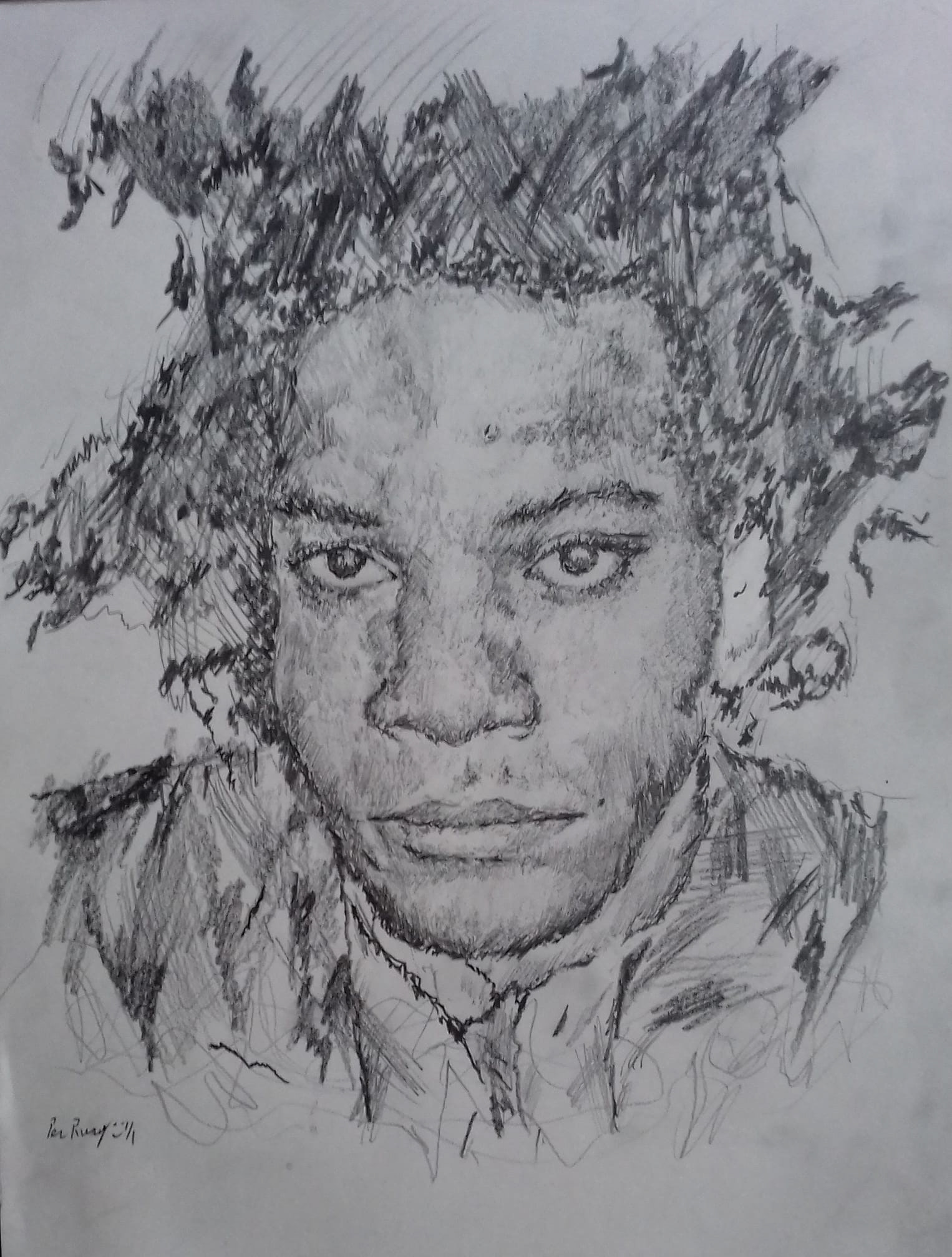
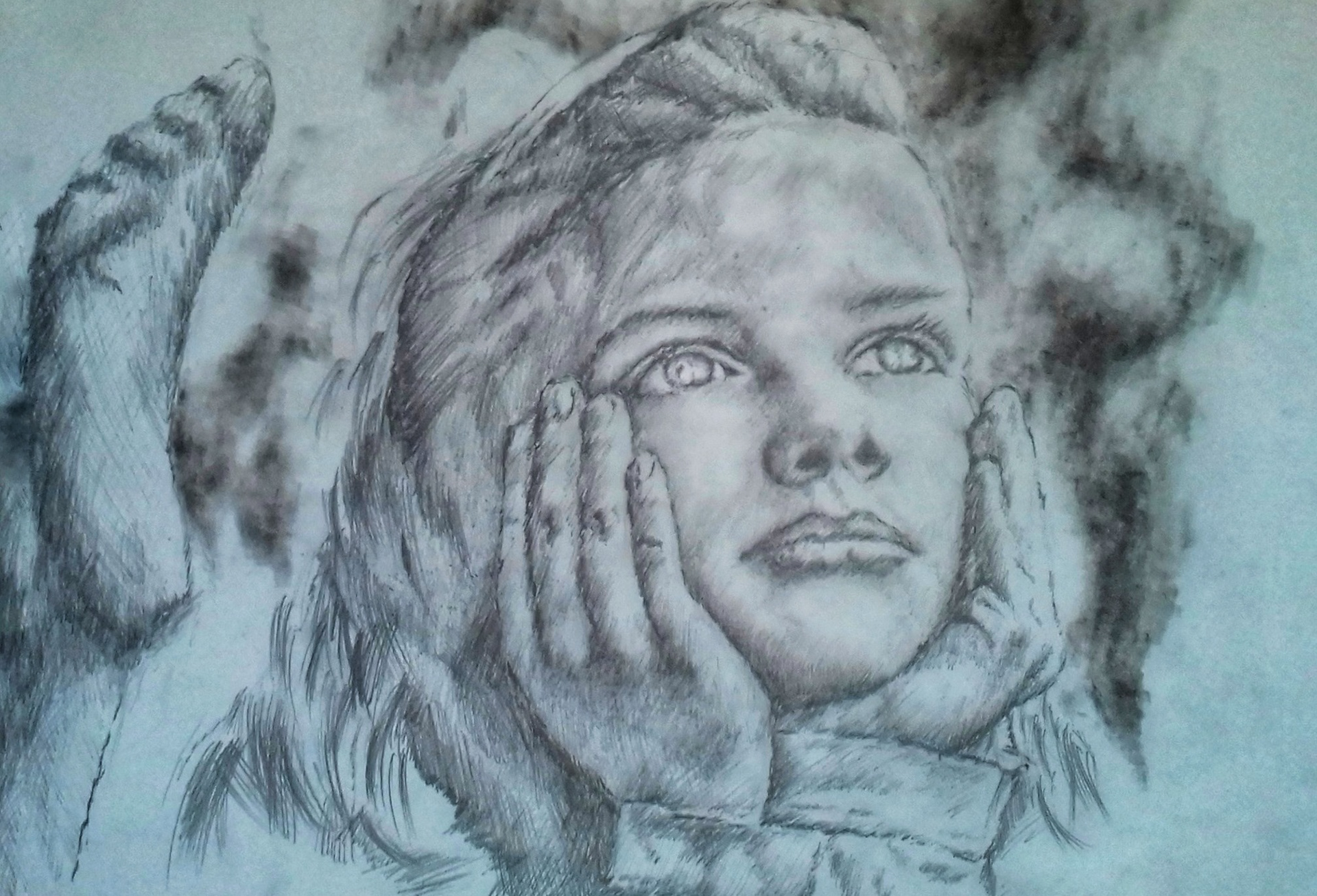
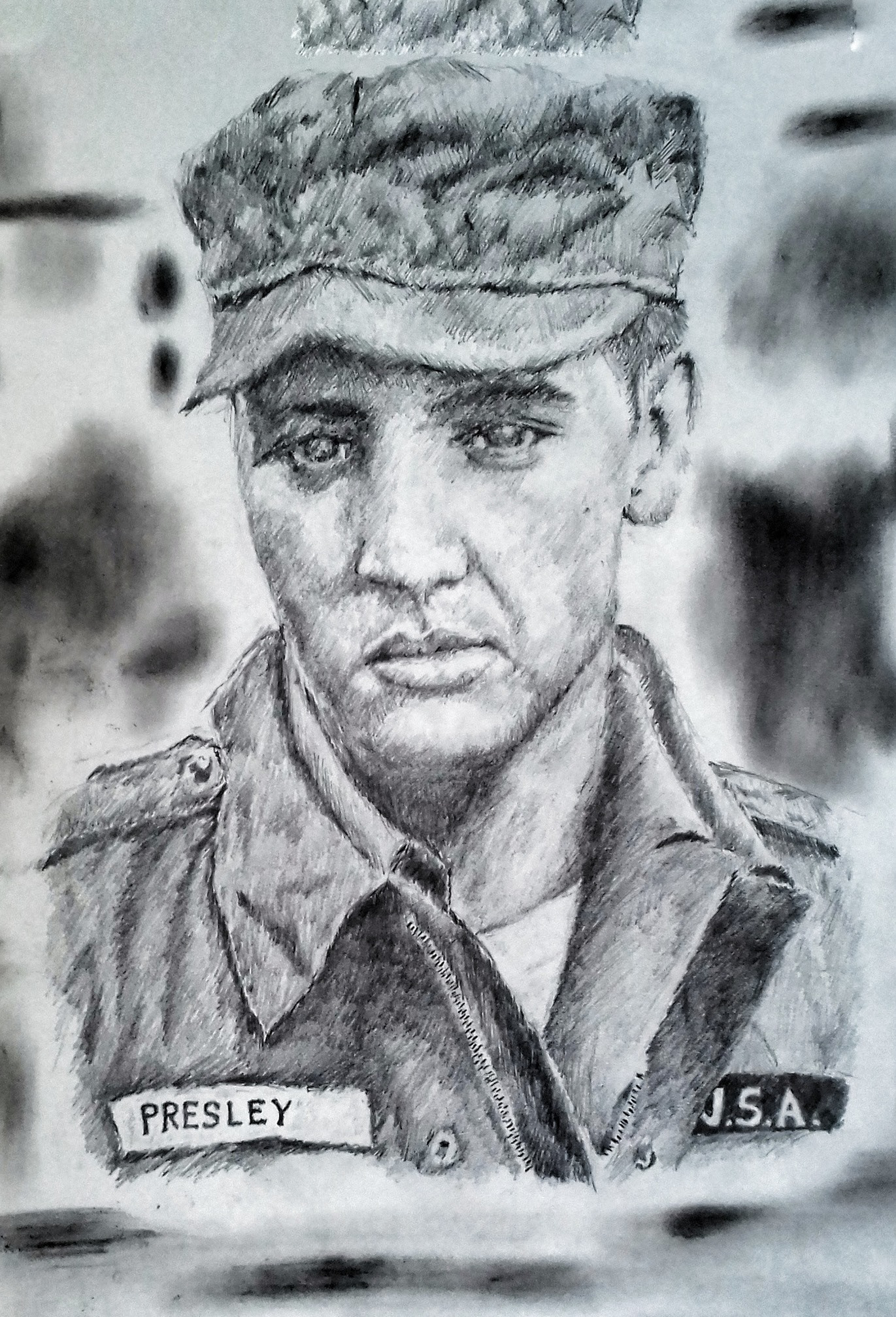
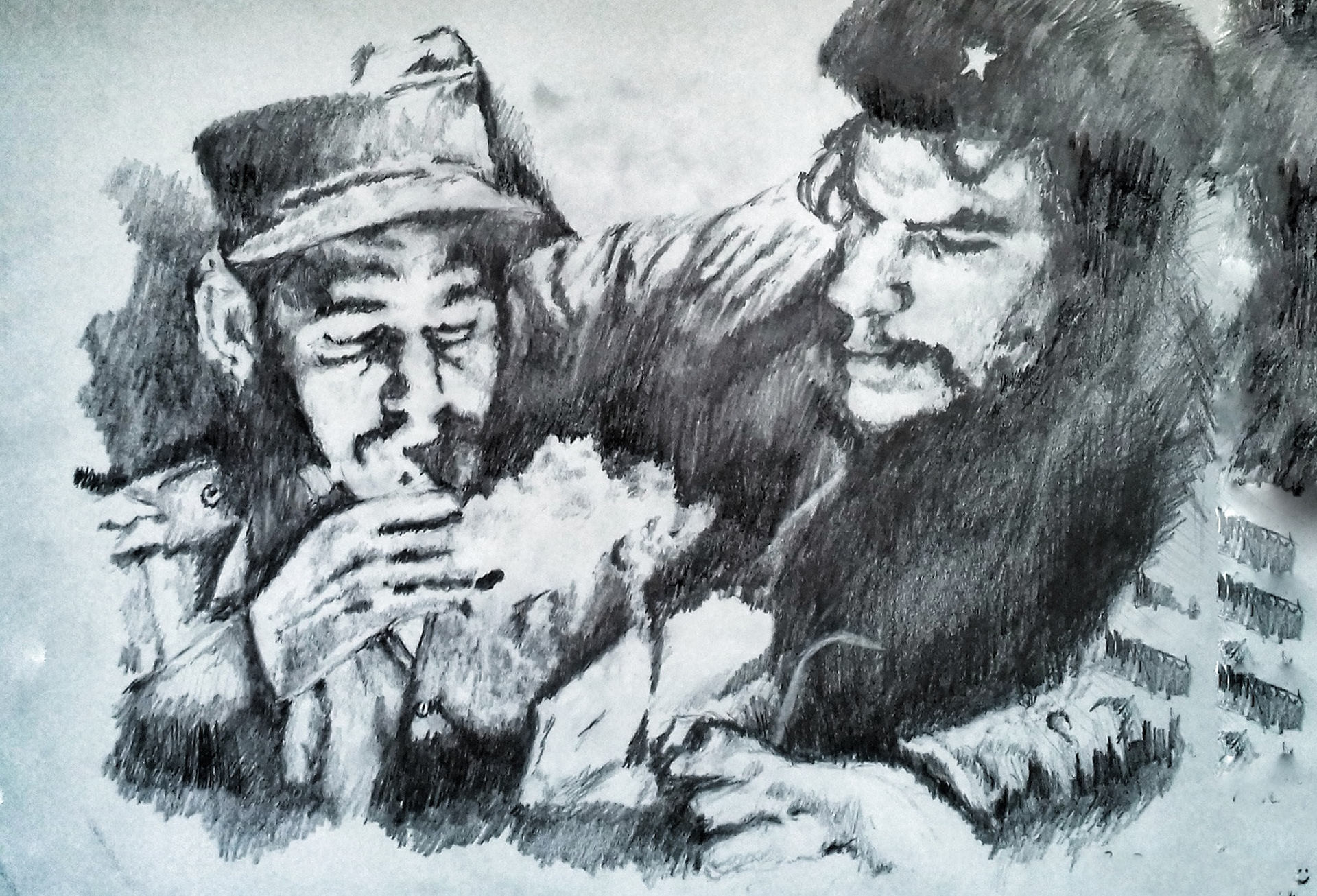
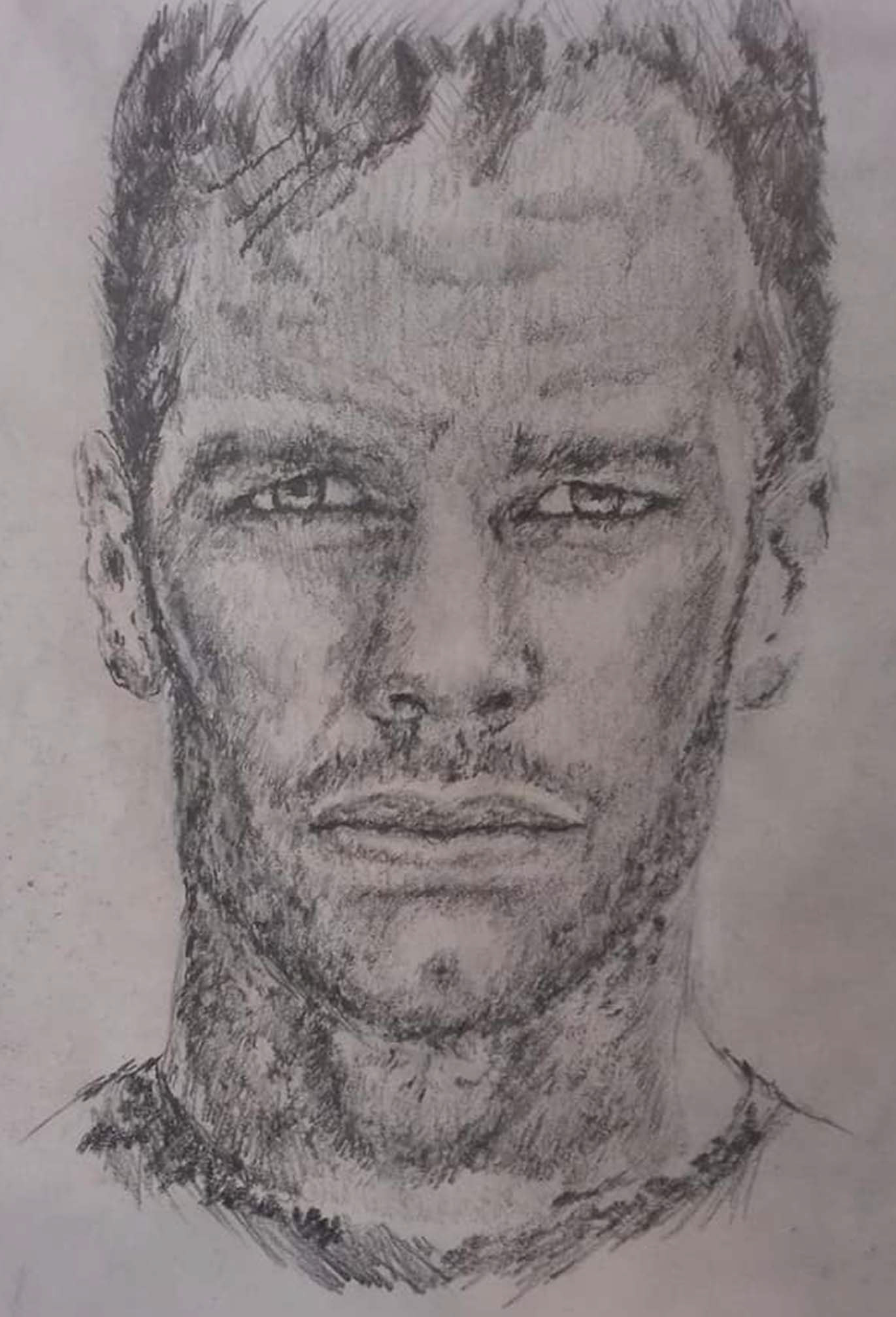
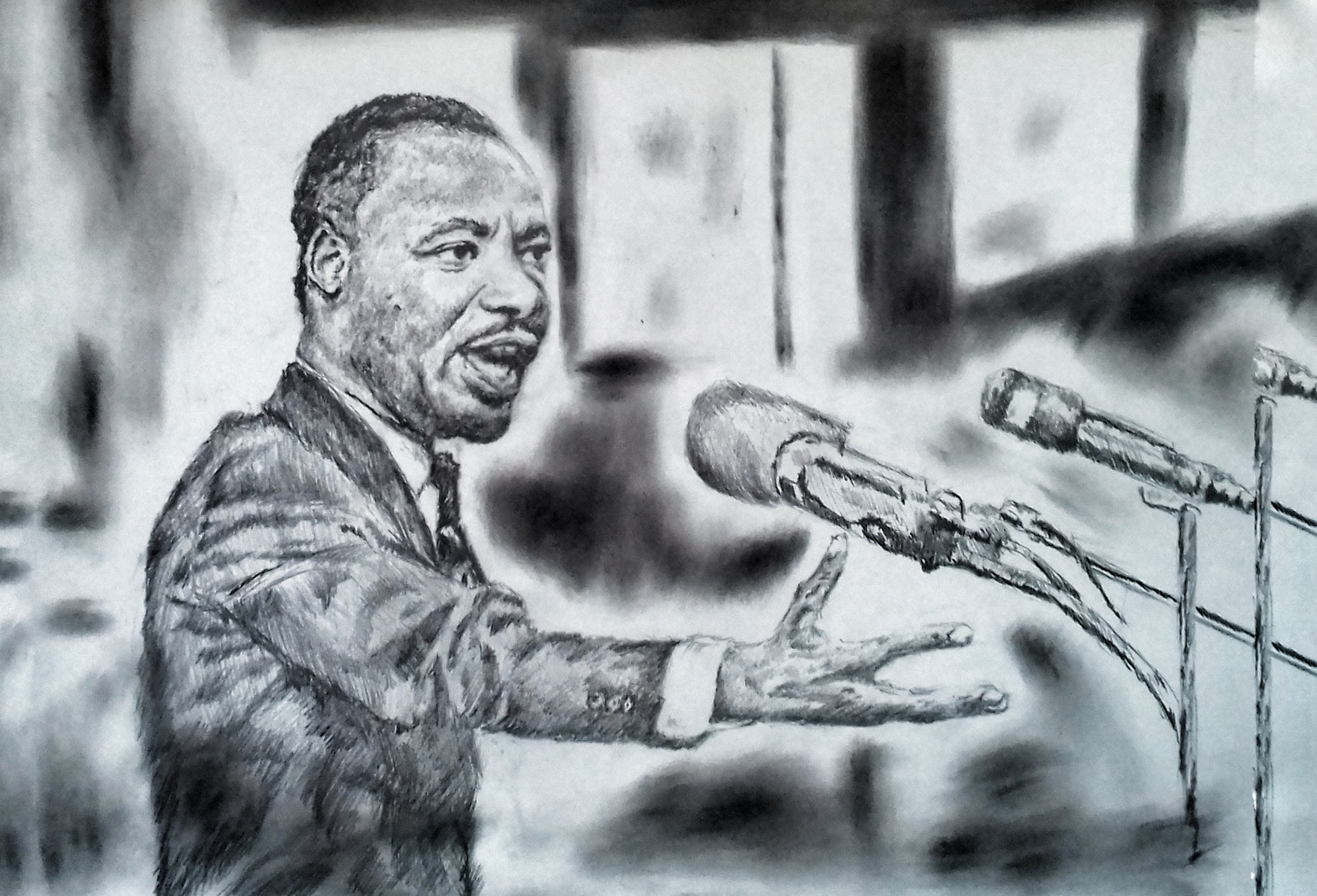
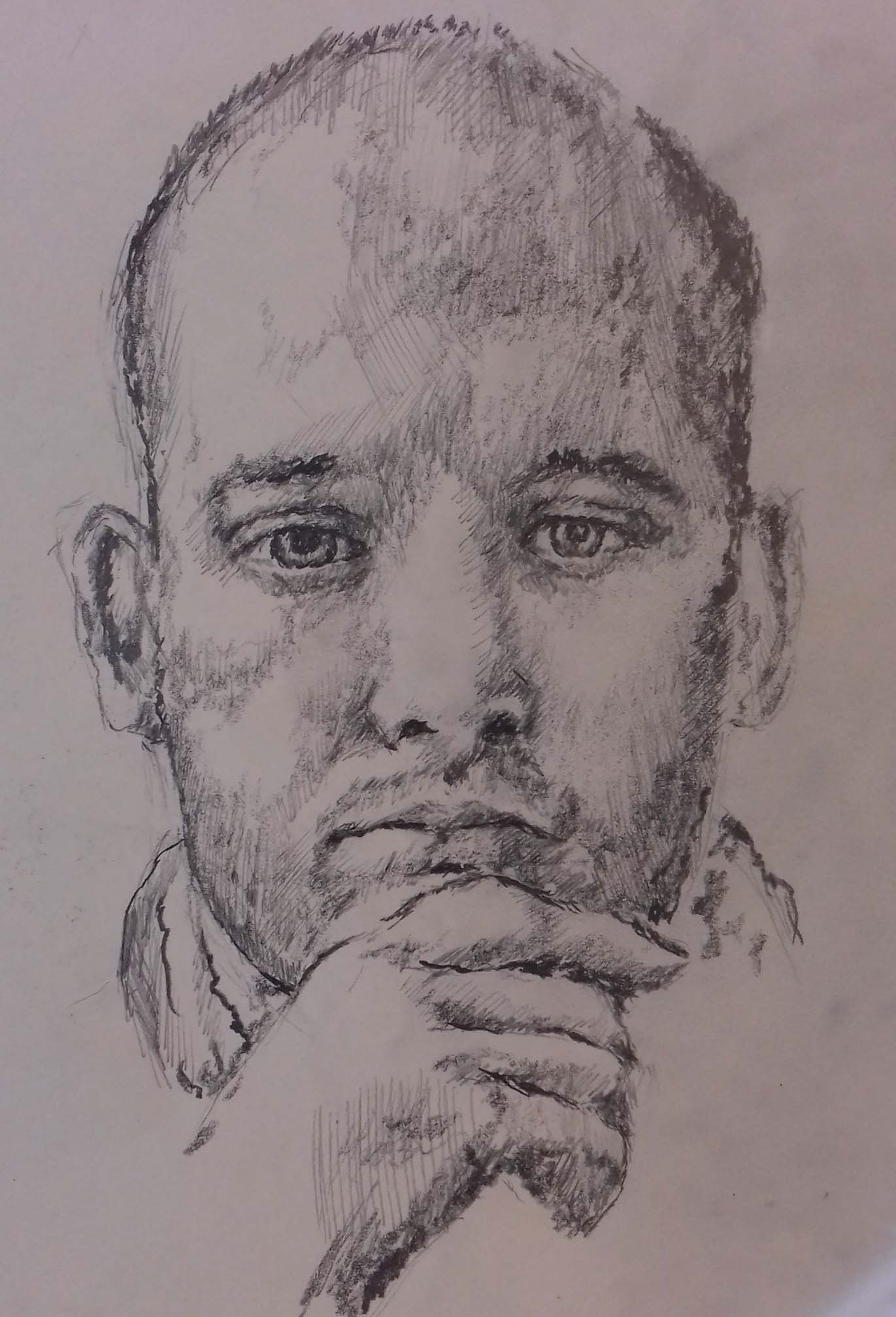
Vincent was in Taormina, Sicily, when an argument changed the course of his life. His passport, identification, plane tickets, and belongings were placed into a briefcase and thrown off a cliff, leaving him stranded without documents, money, or a way home. For a period of time, he became homeless.
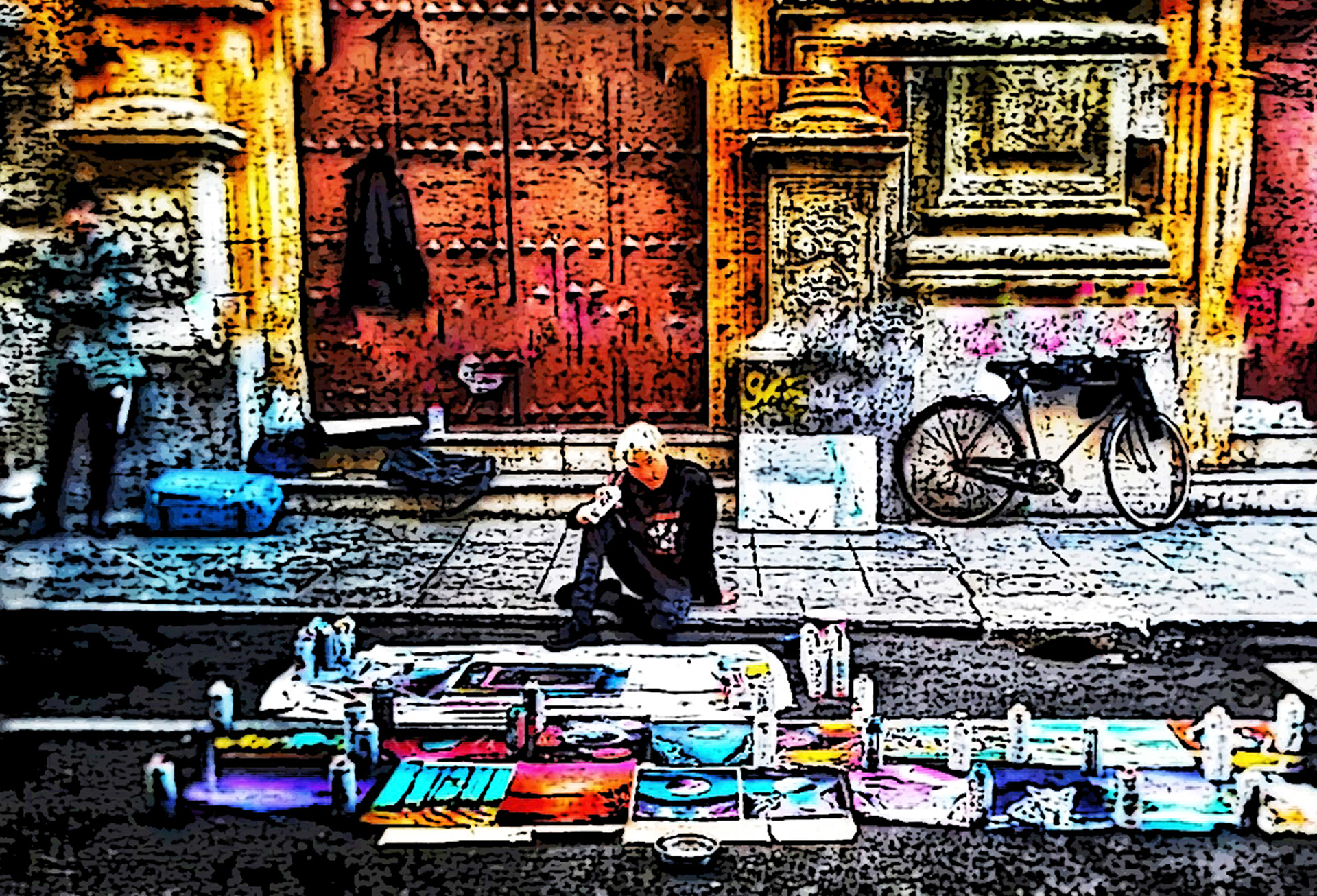
To survive, Vincent shifted his rhythm. He slept on the beach near Isola Bella during the day, when it seemed less suspicious, and stayed awake at night, wandering through the town. It was during those nights that he came across Kamil, a scraggly Polish spray-paint artist working in a square, surrounded by cans of spray paint, beer bottles, and planetary street-art scenes.
Kamil recognized that Vincent was homeless and invited him to sit with him. He gave him a beer, and eventually handed him a can of spray paint and a piece of glossy paper. Vincent had no idea what he was doing. He got paint on himself, a crowd gathered, and after only a few minutes, Kamil held up Vincent’s first artwork.
Someone bought it on the spot for twenty euros.
That was the spark. The cliff, the lost passport, the homelessness, the cold, the street artist, the first sale. Chaos had become a doorway.
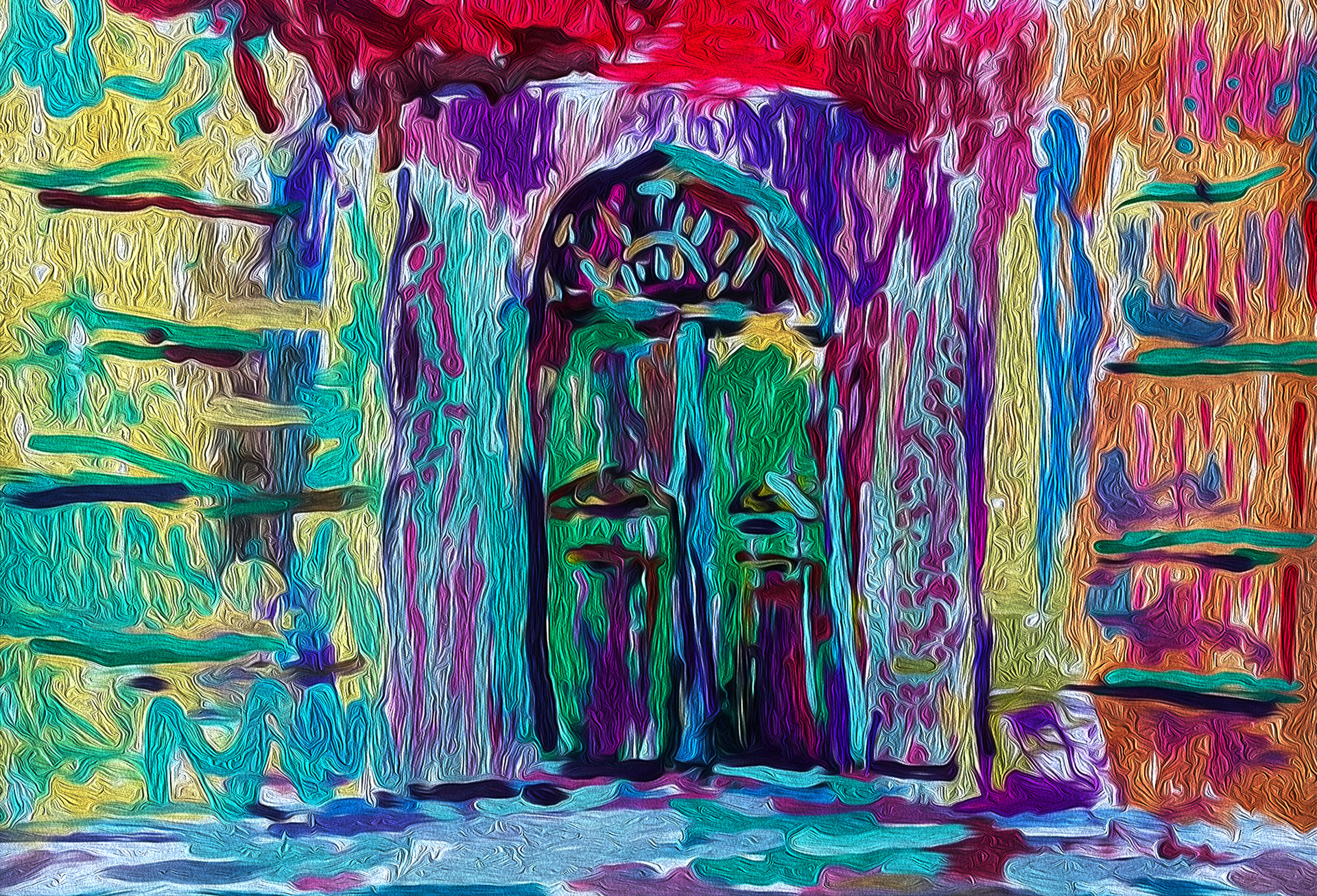
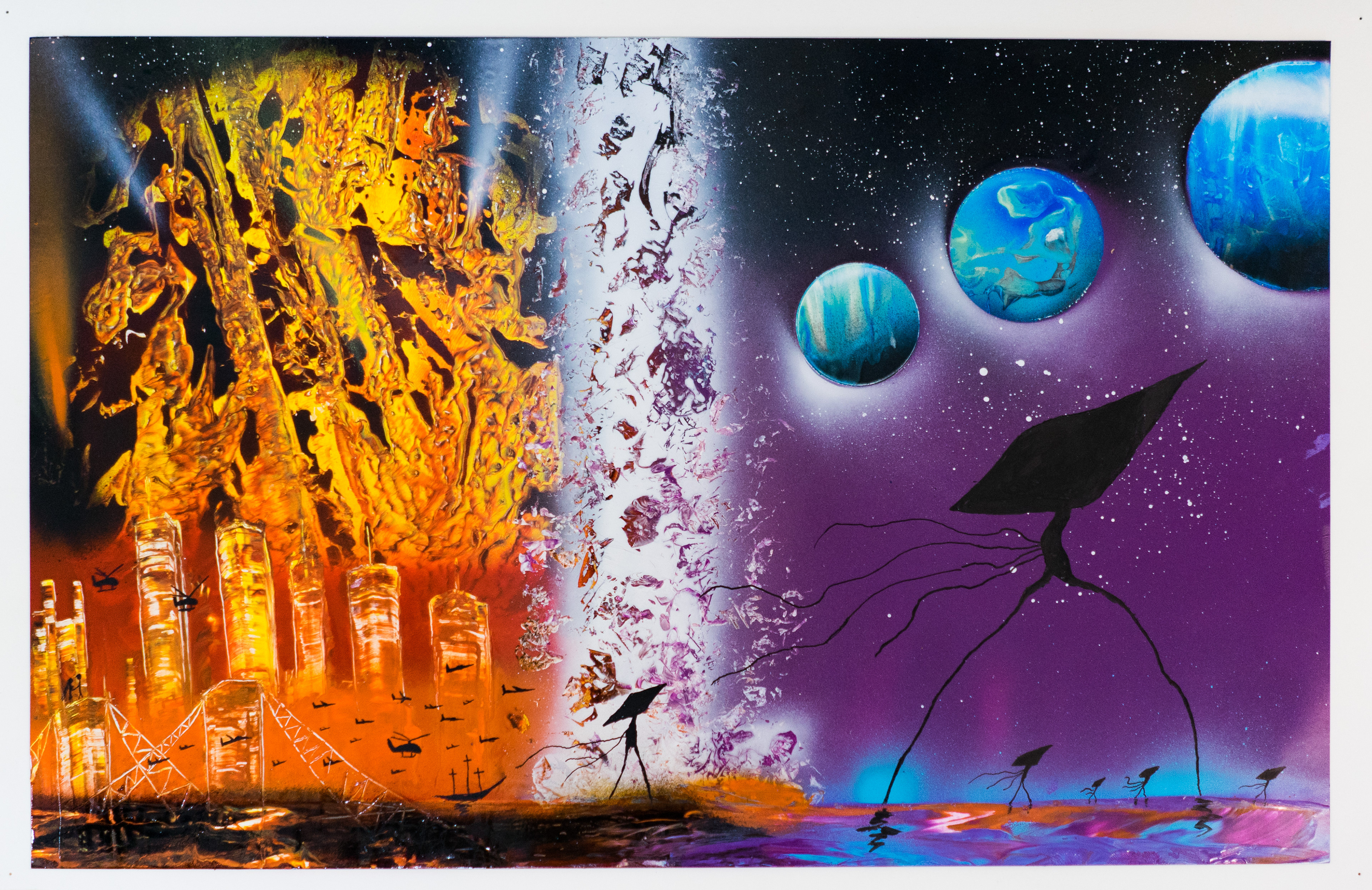
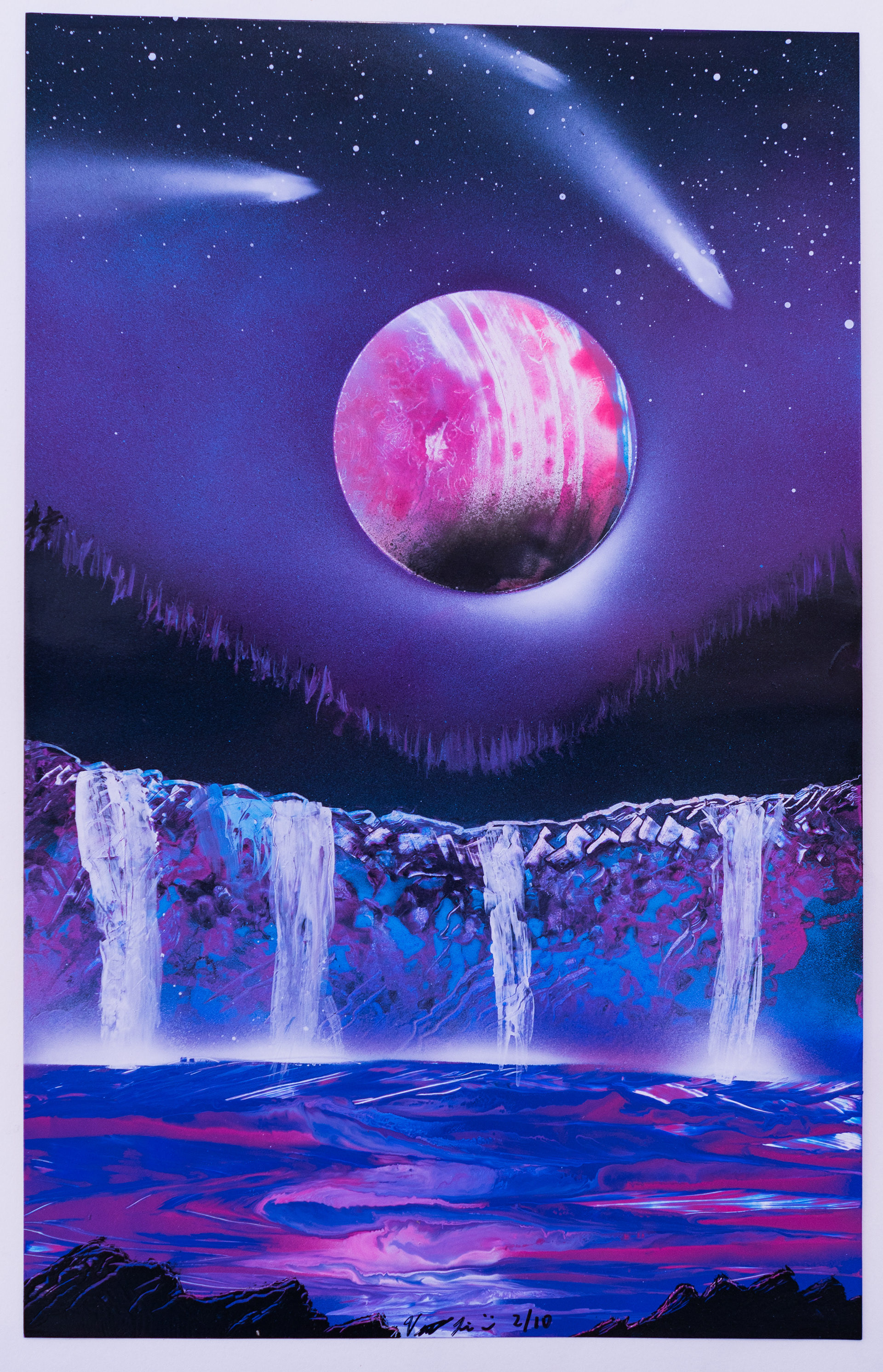
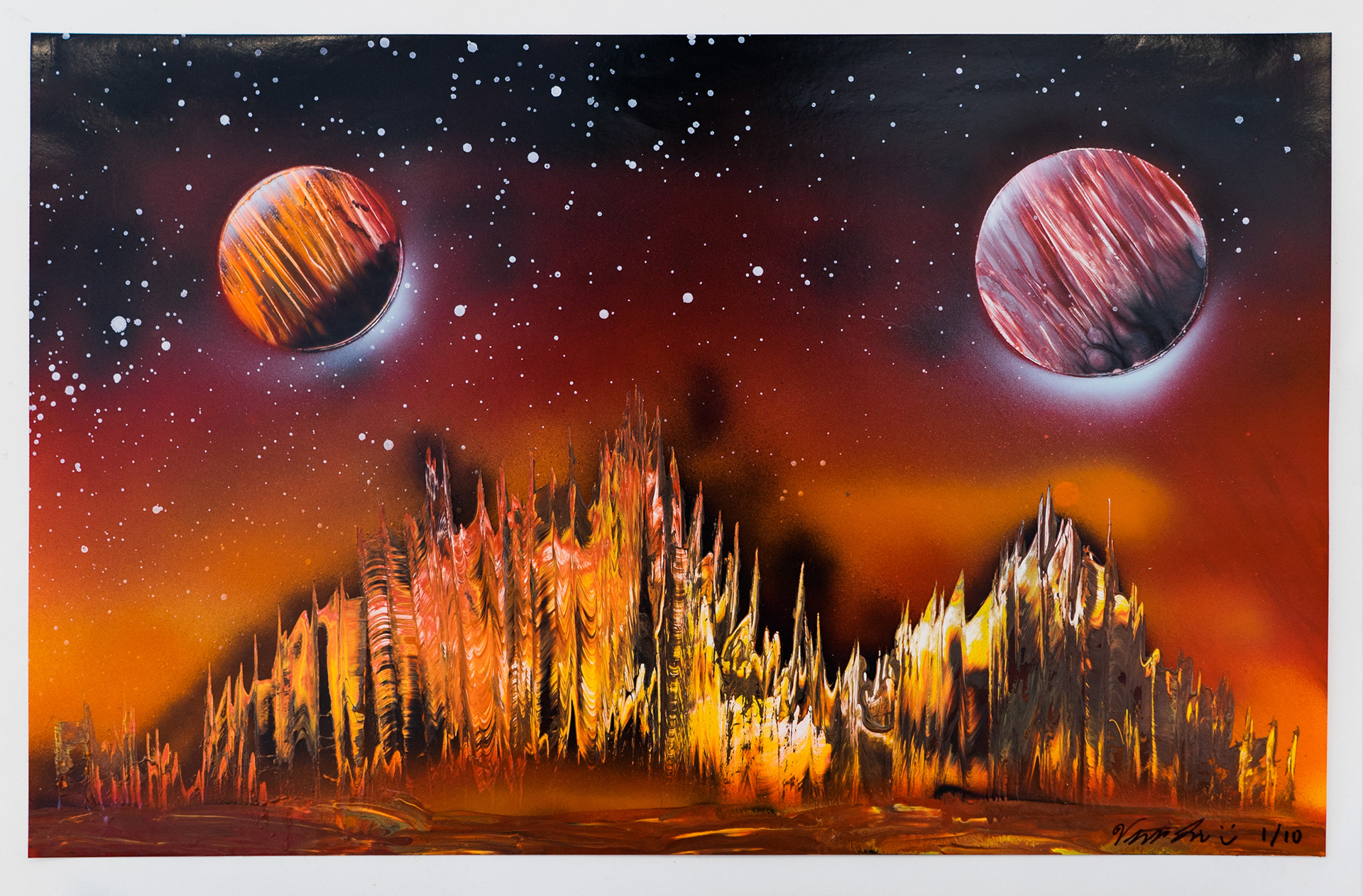
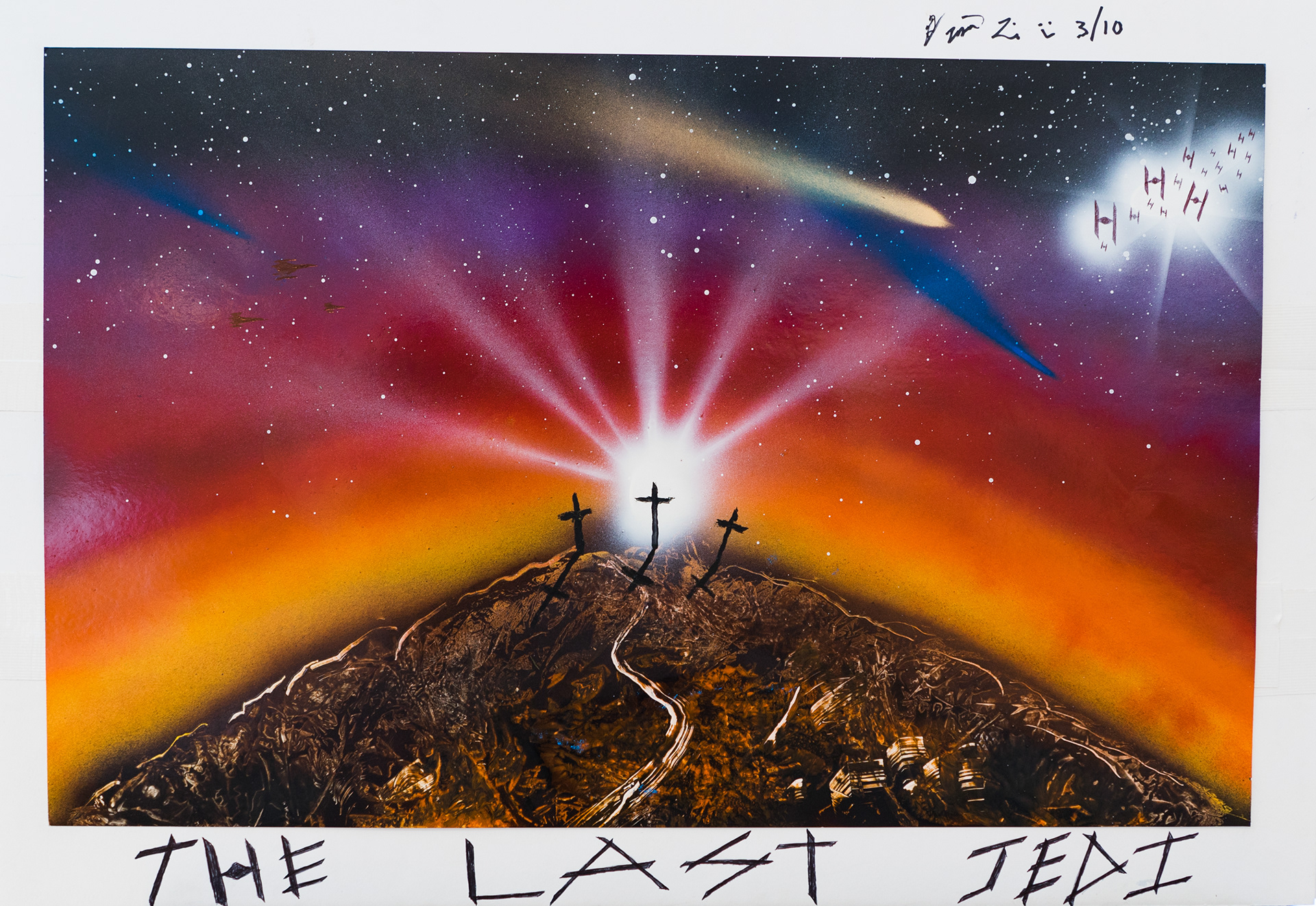
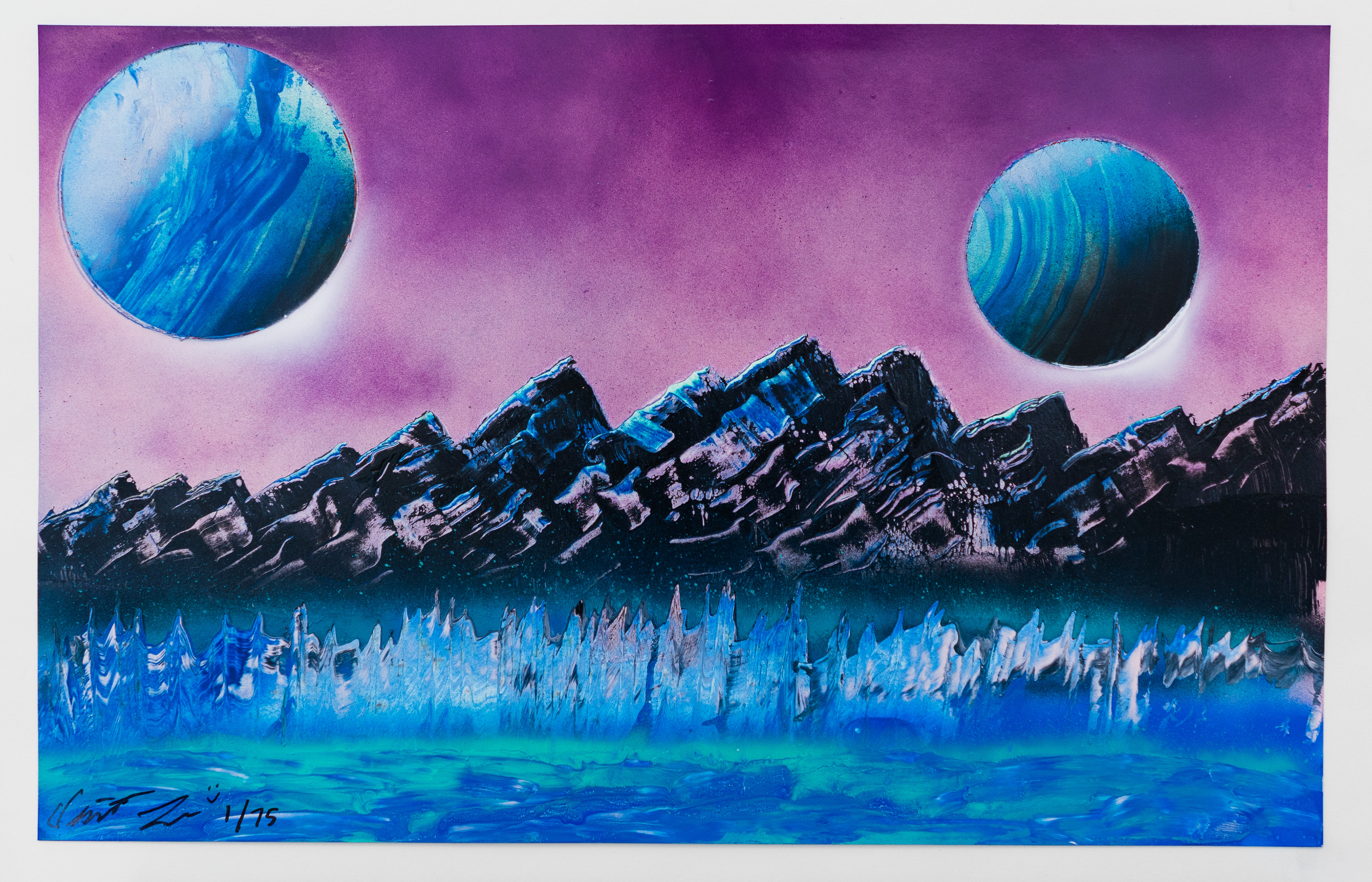
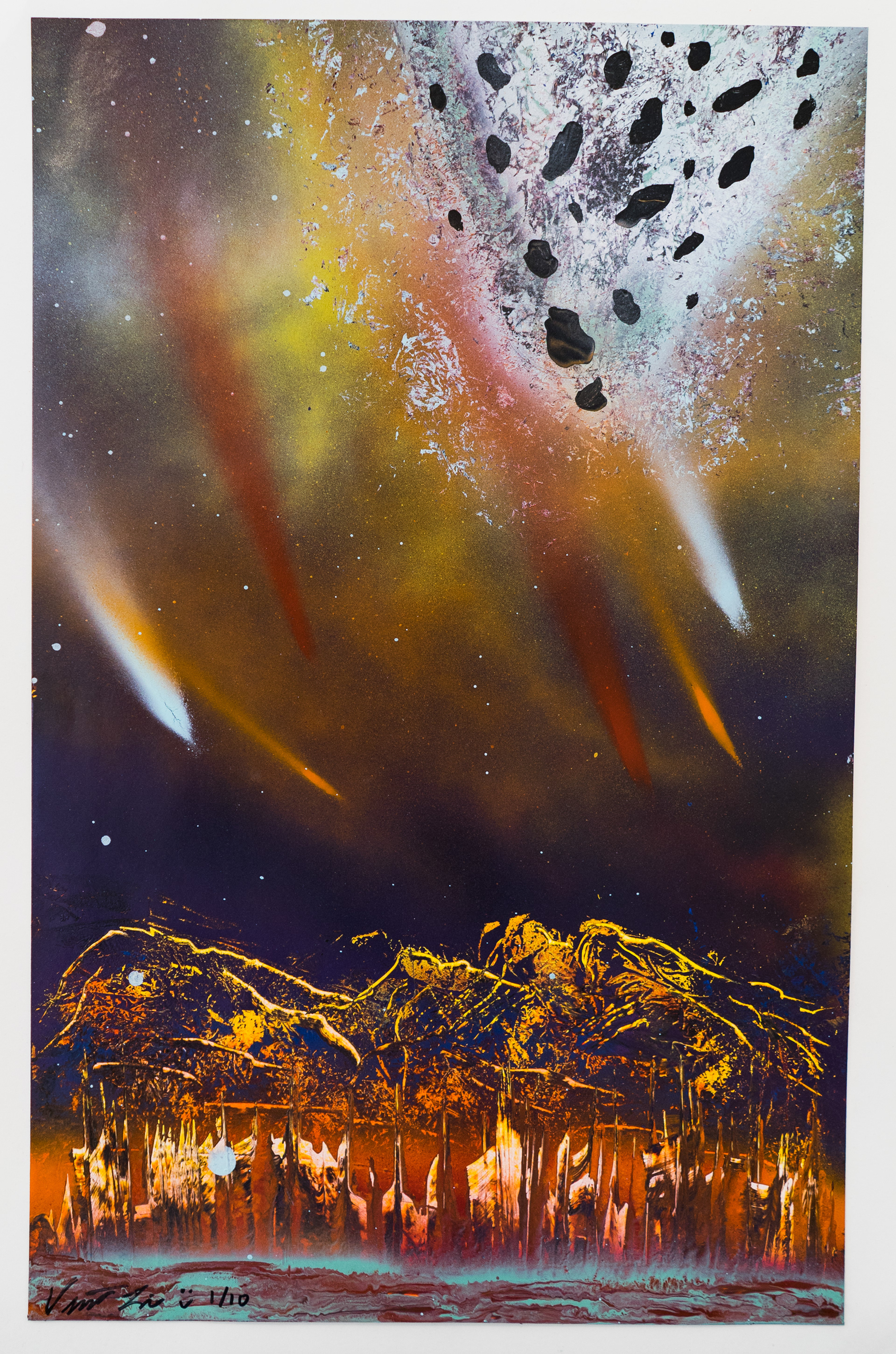
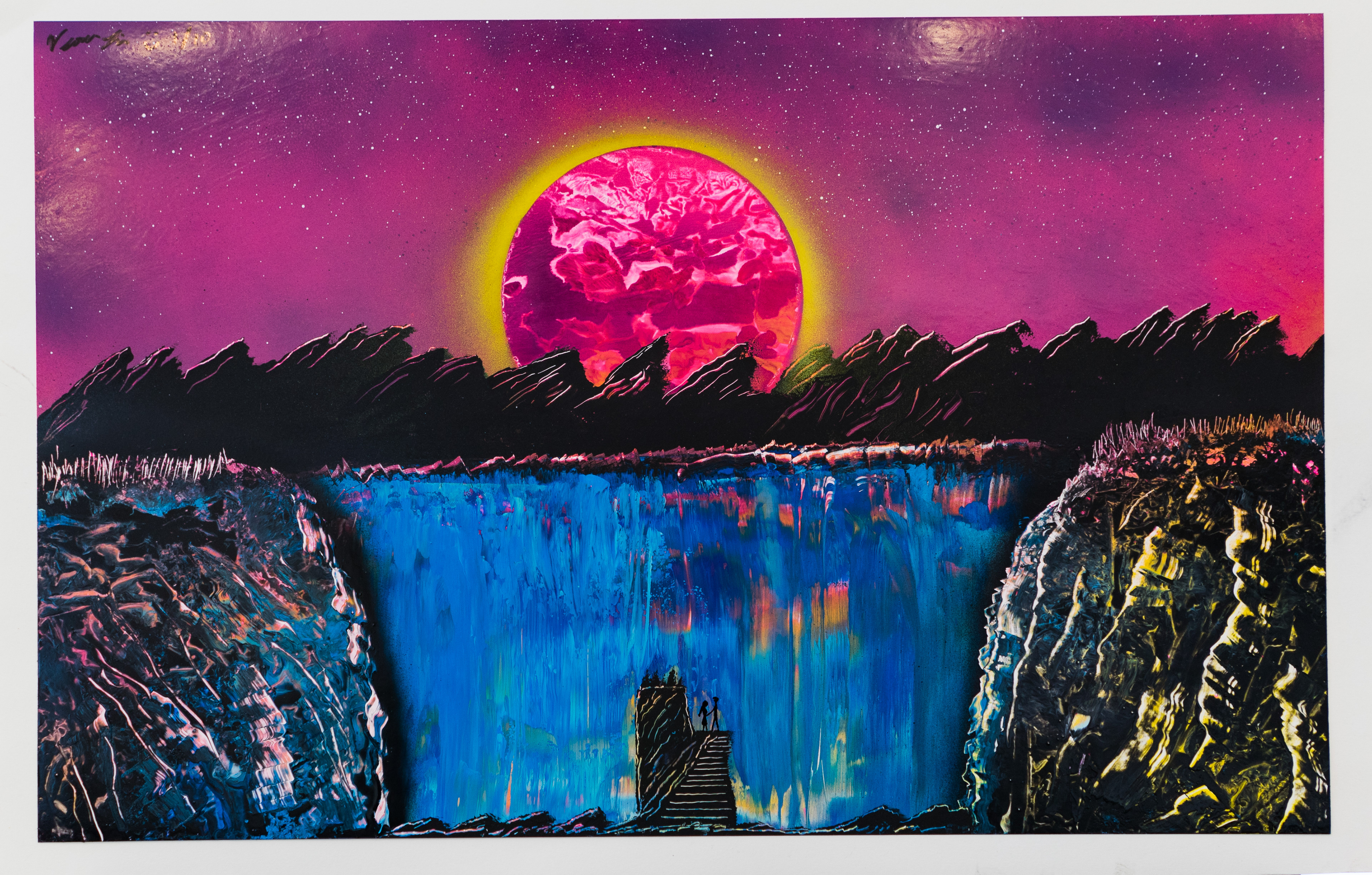
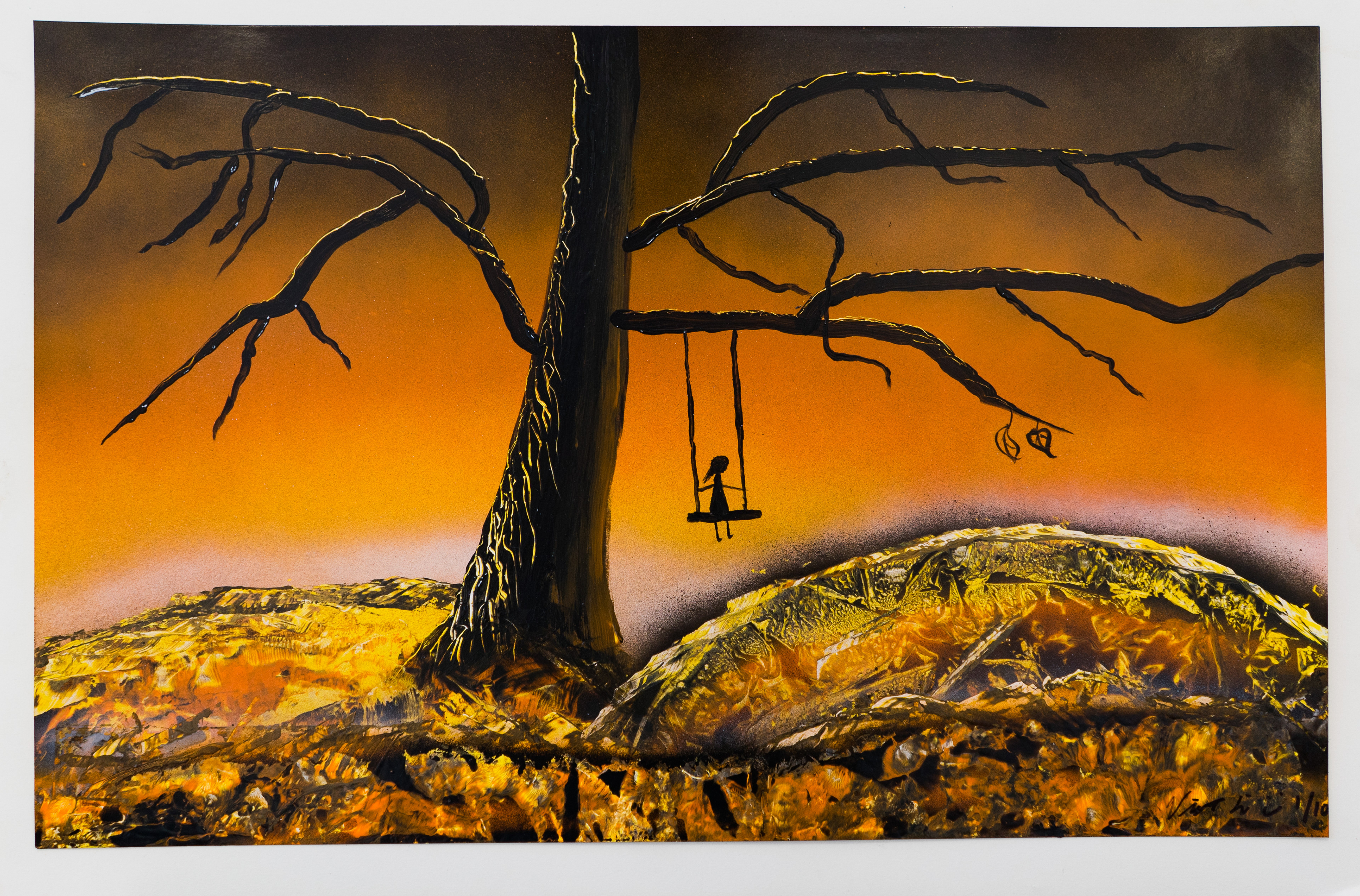
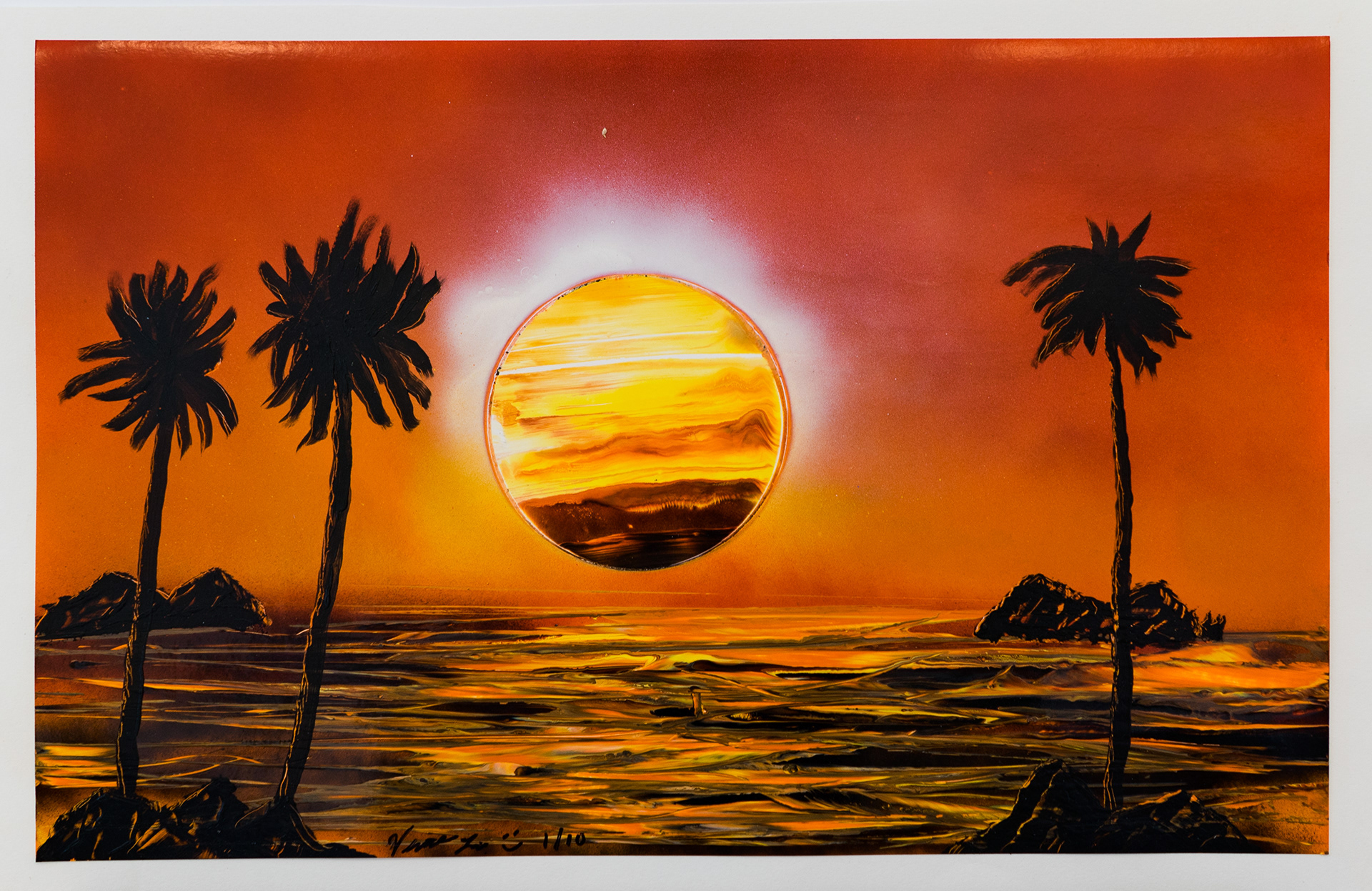
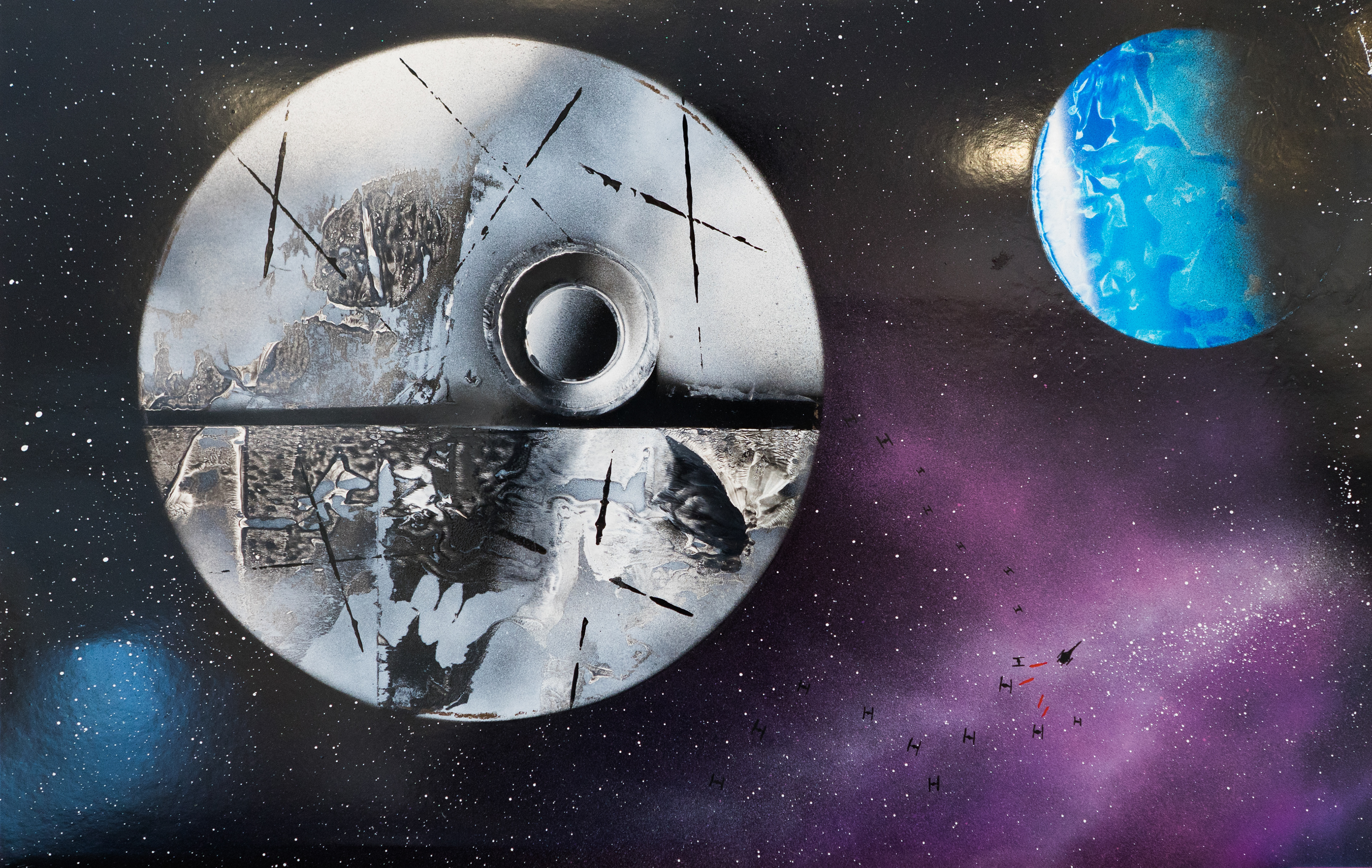
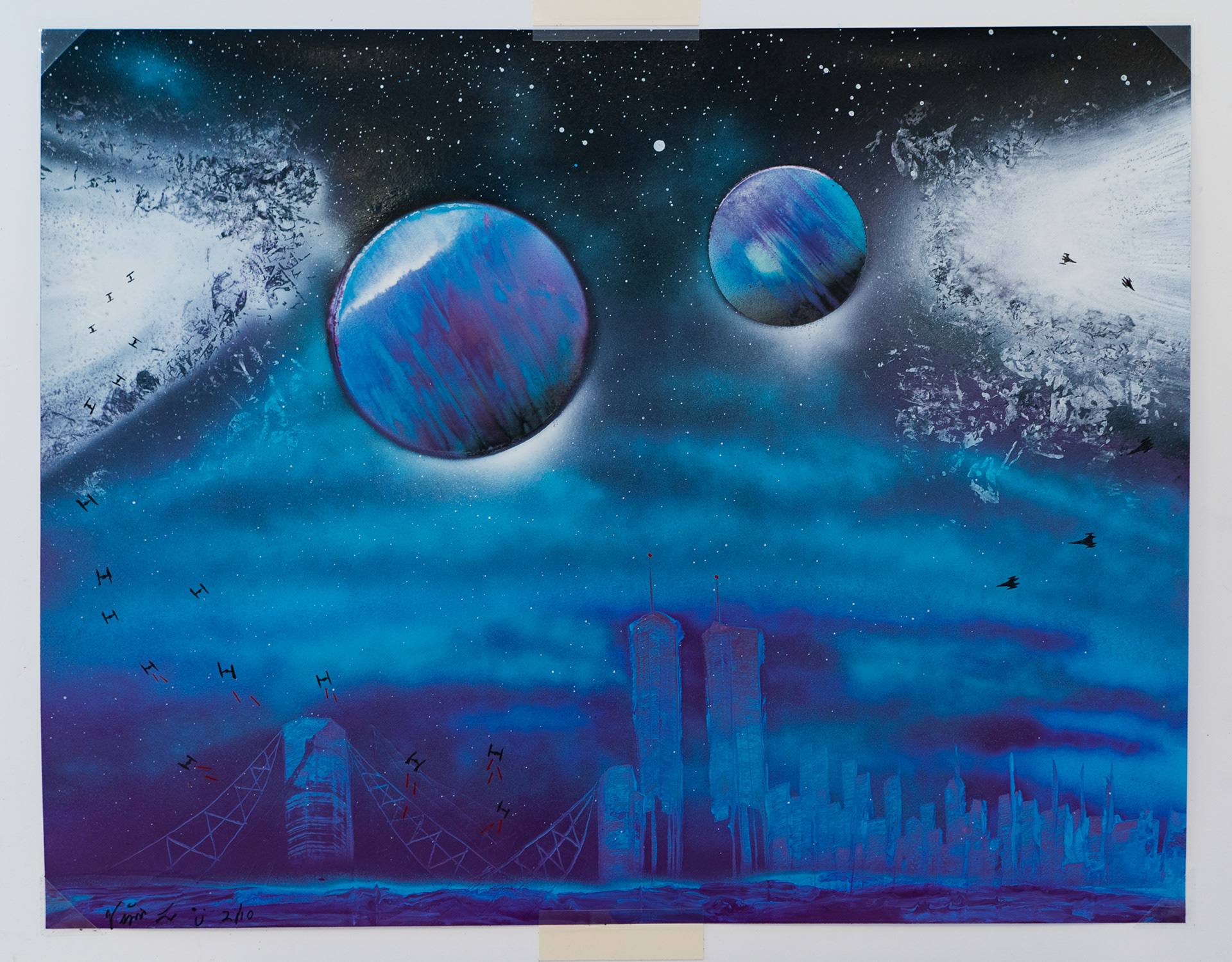
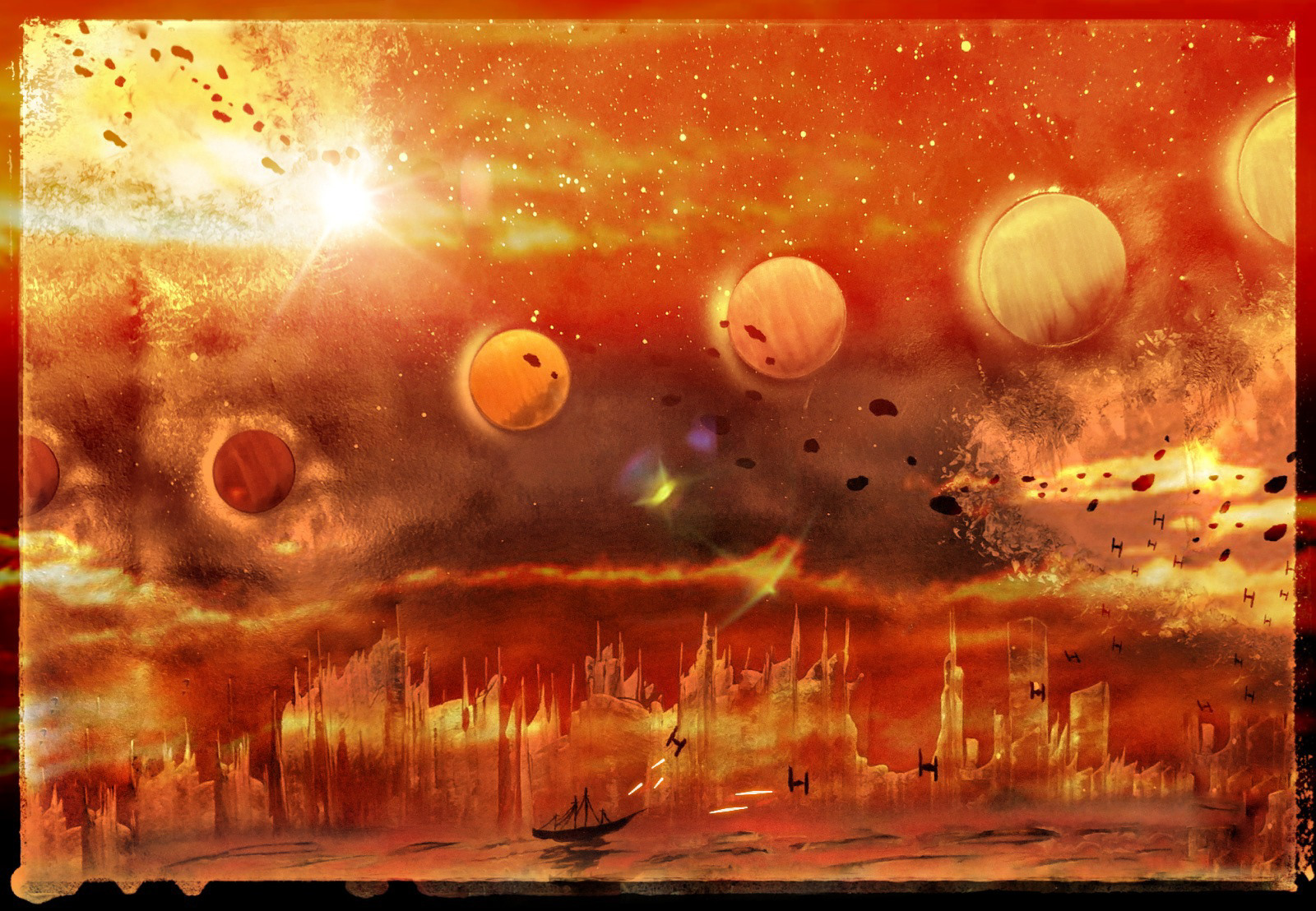
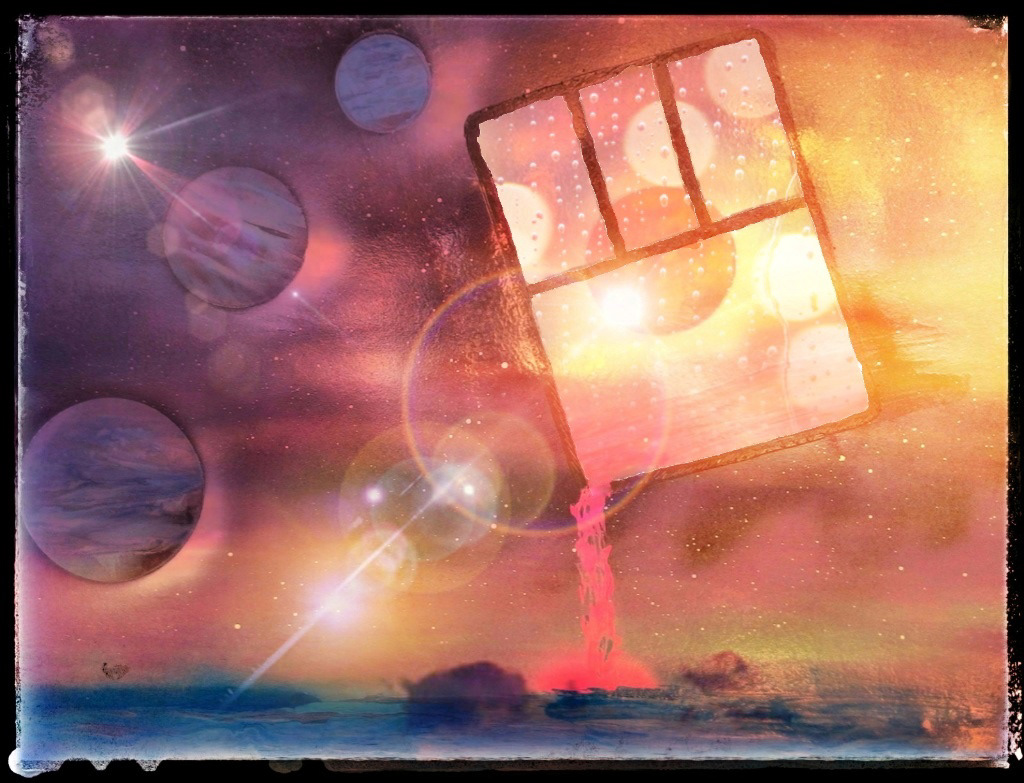
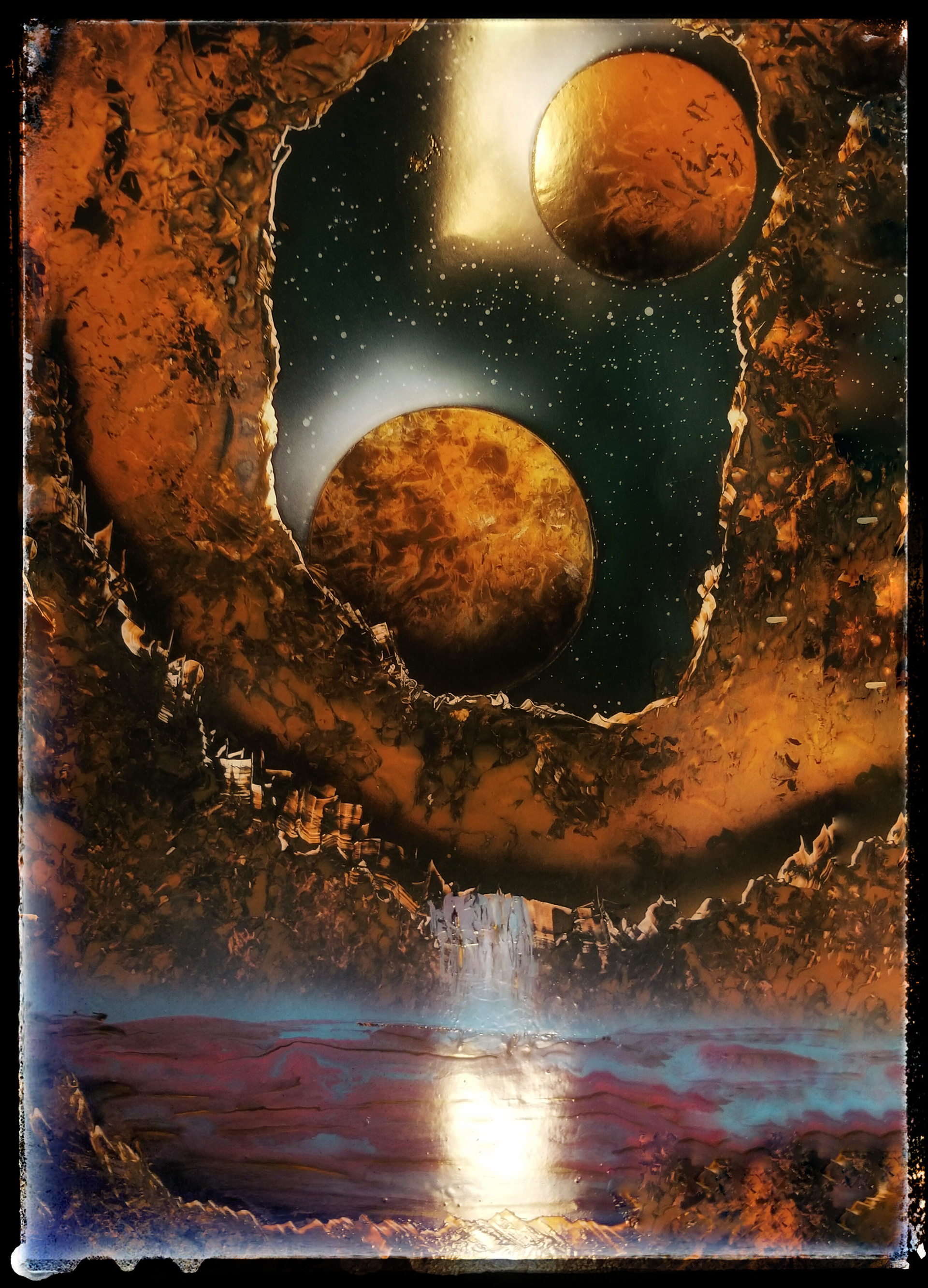
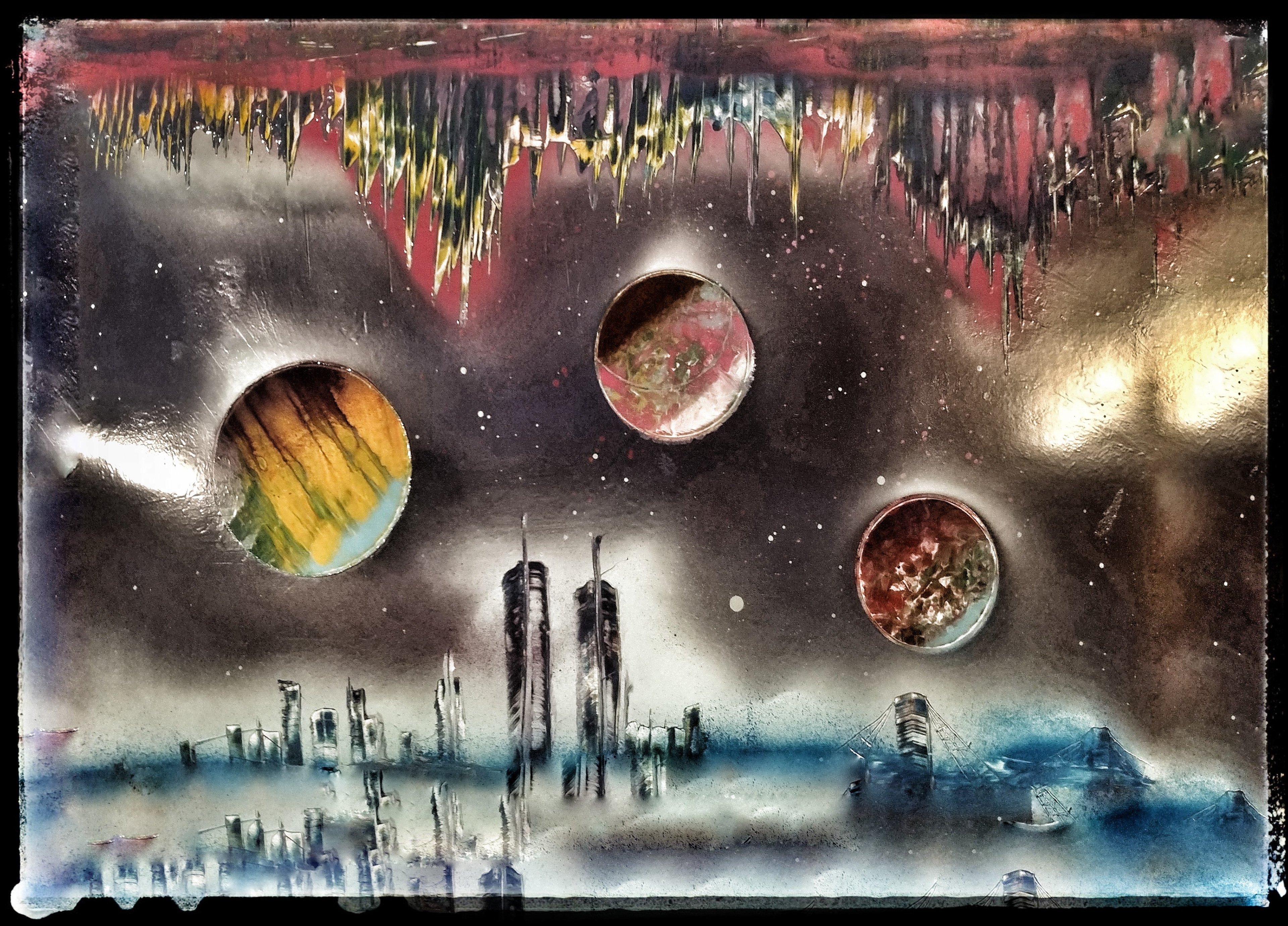
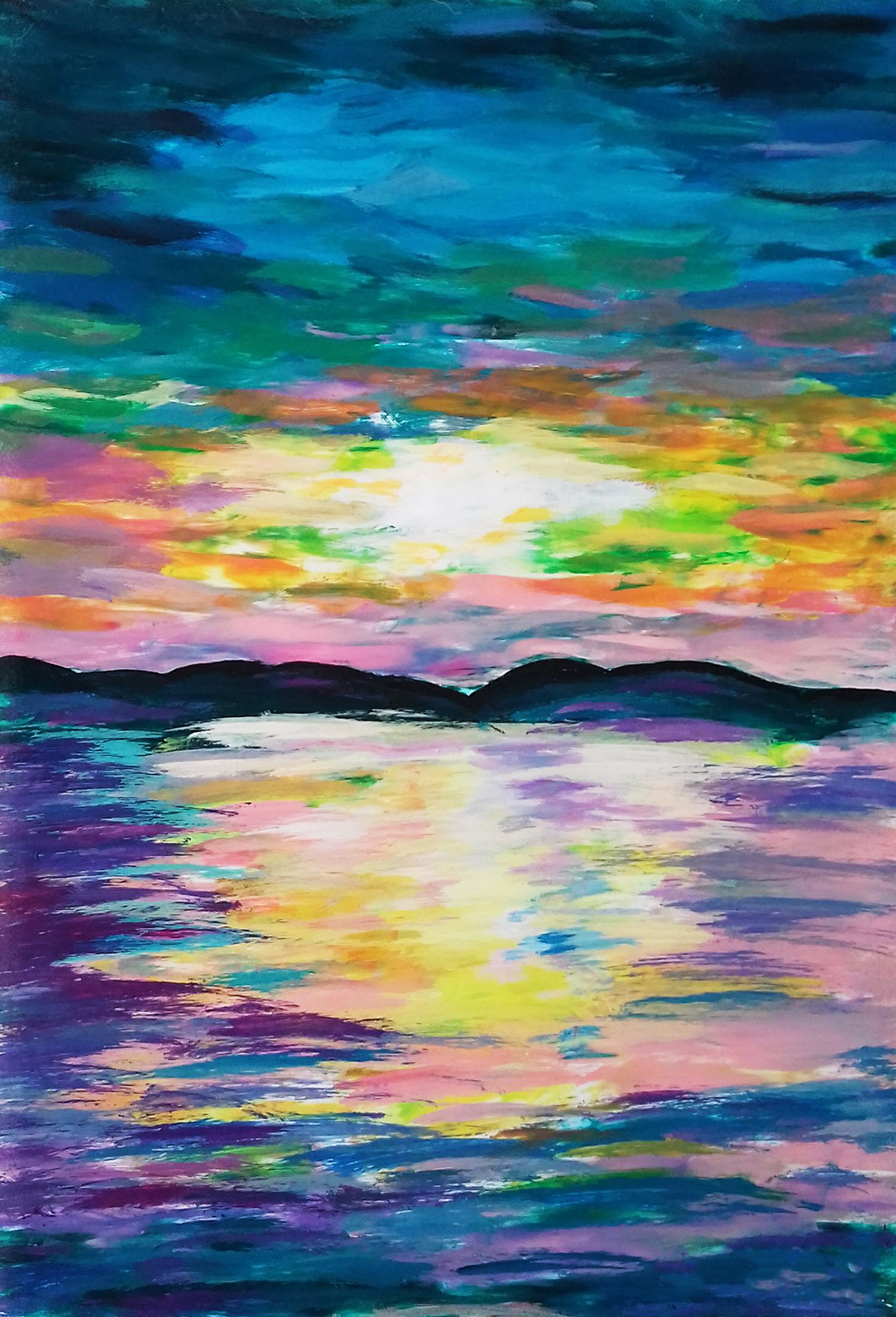
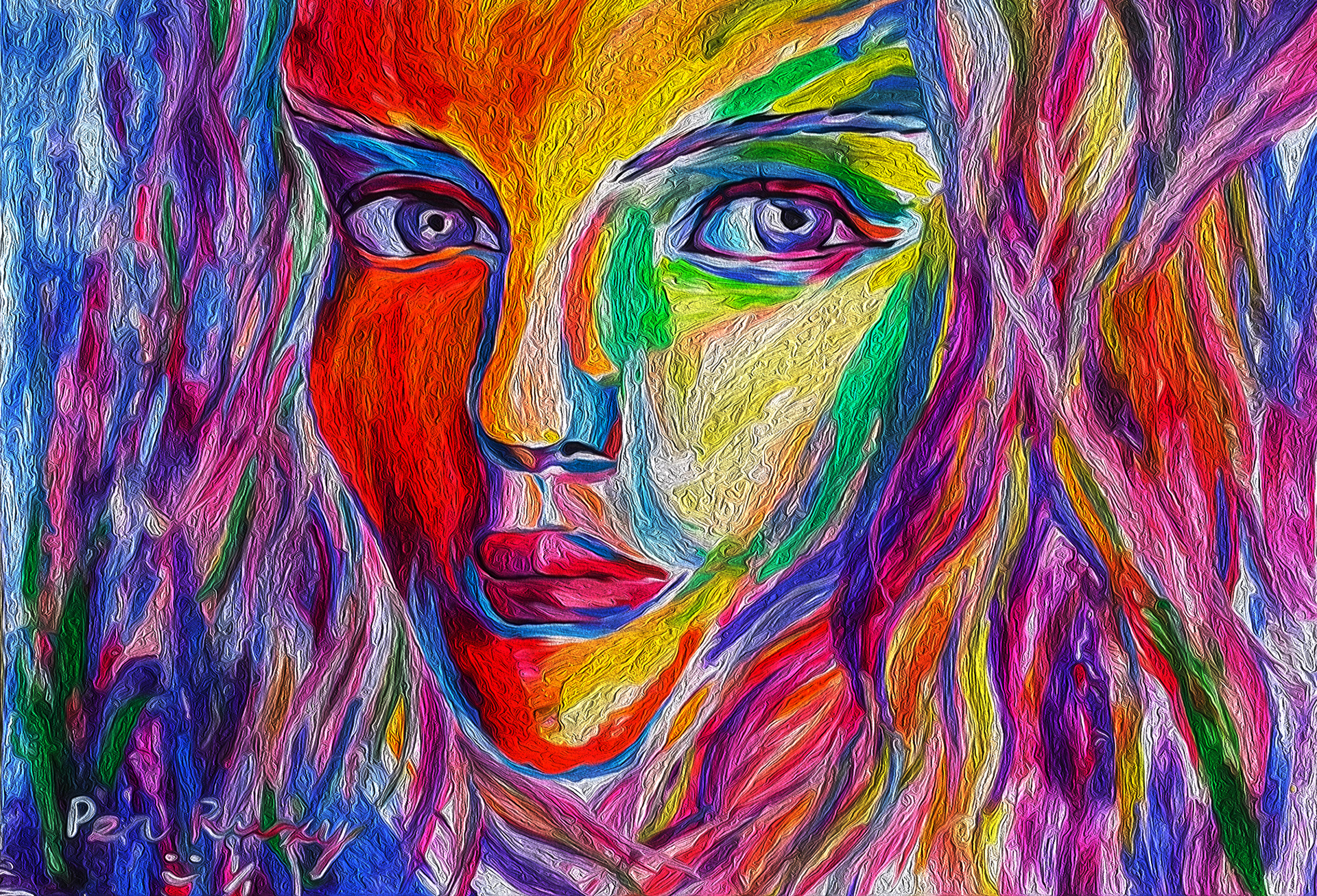
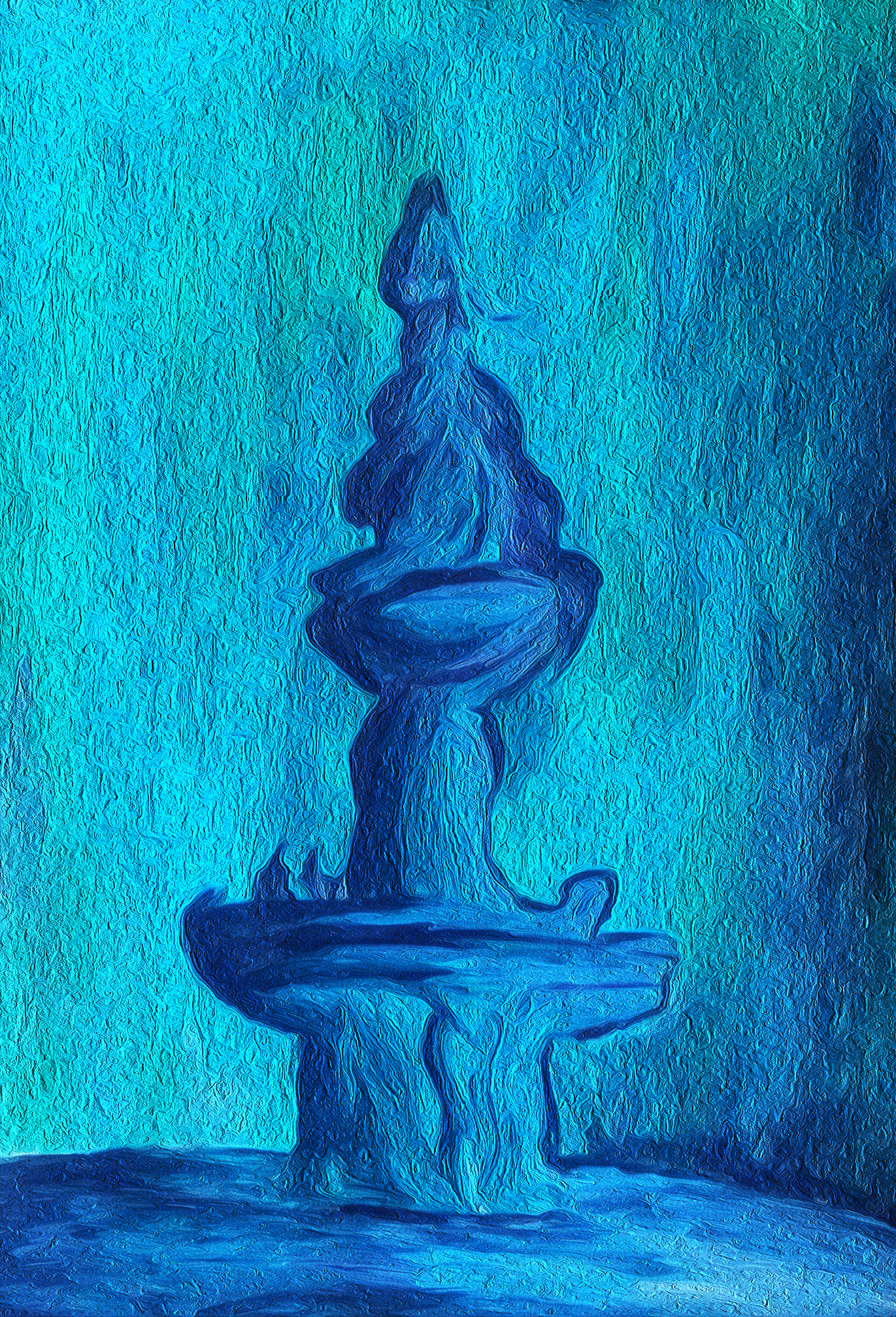
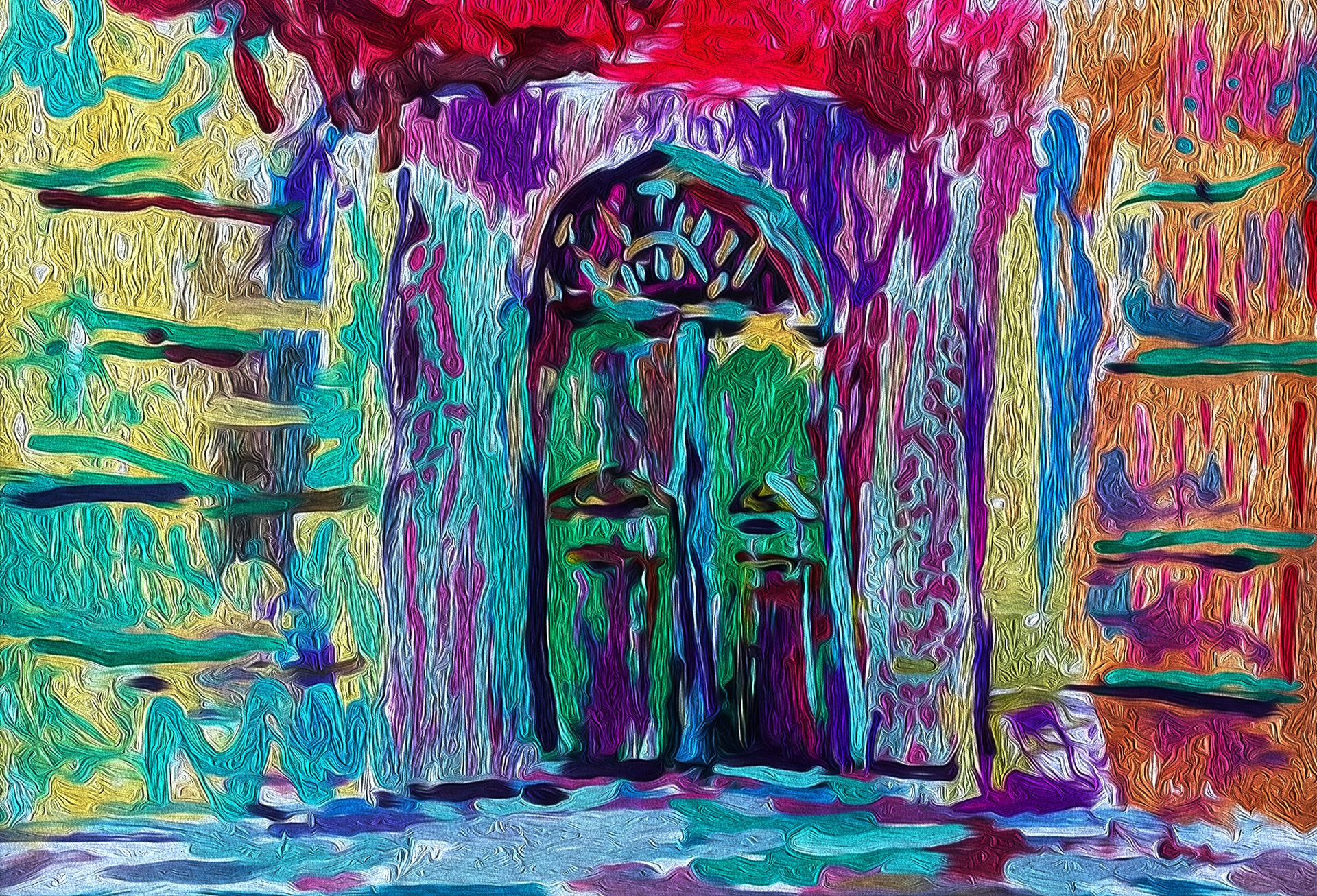
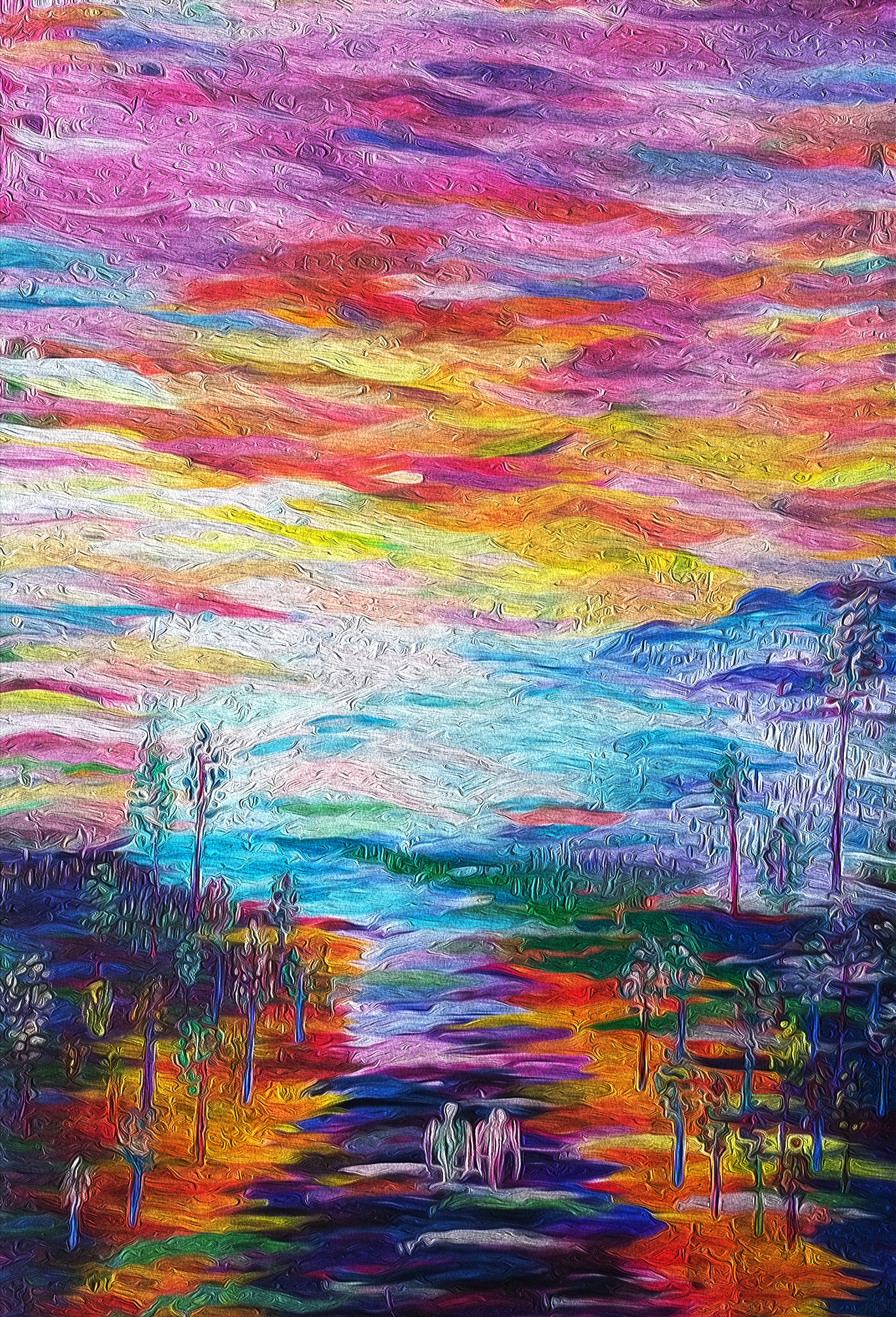
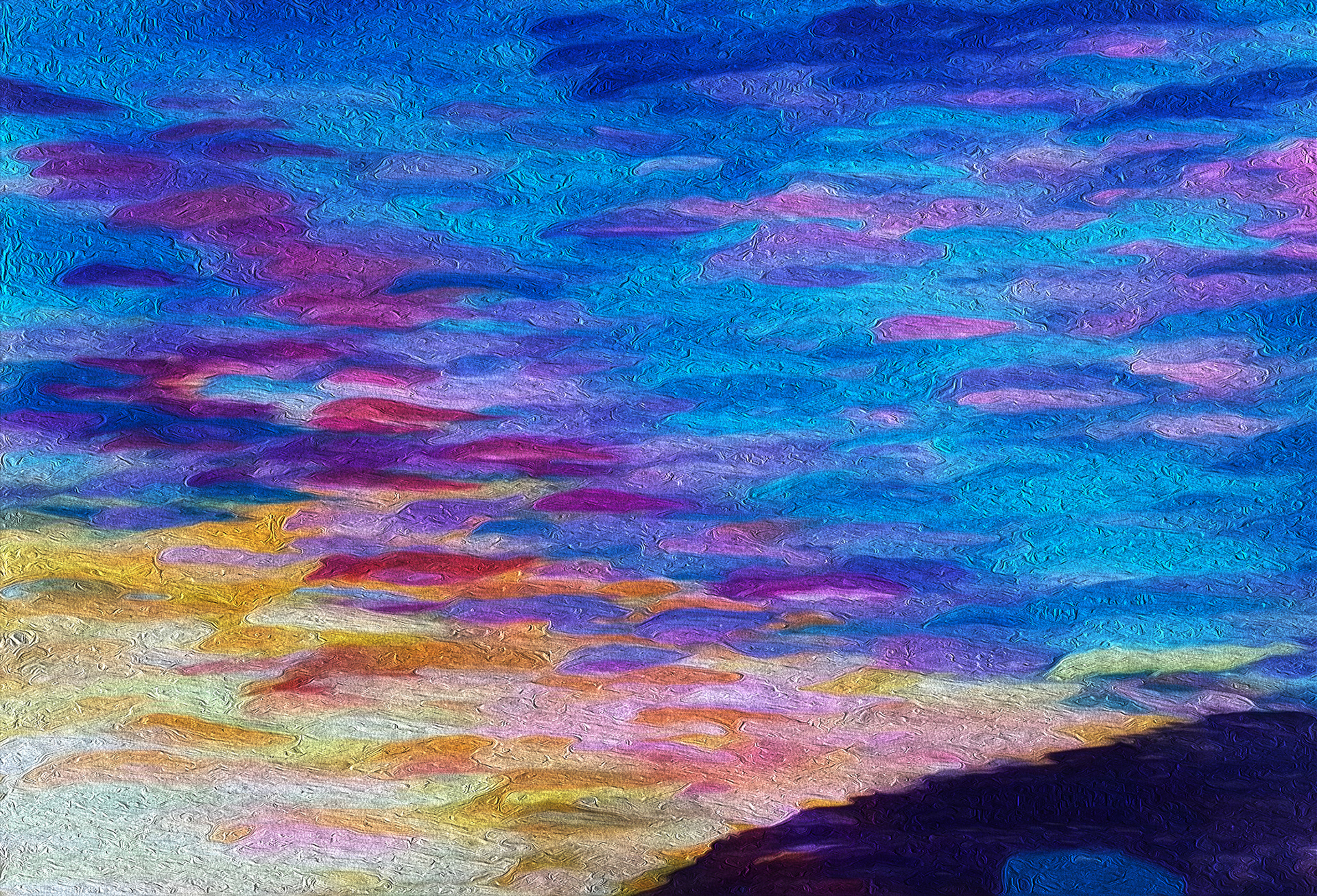
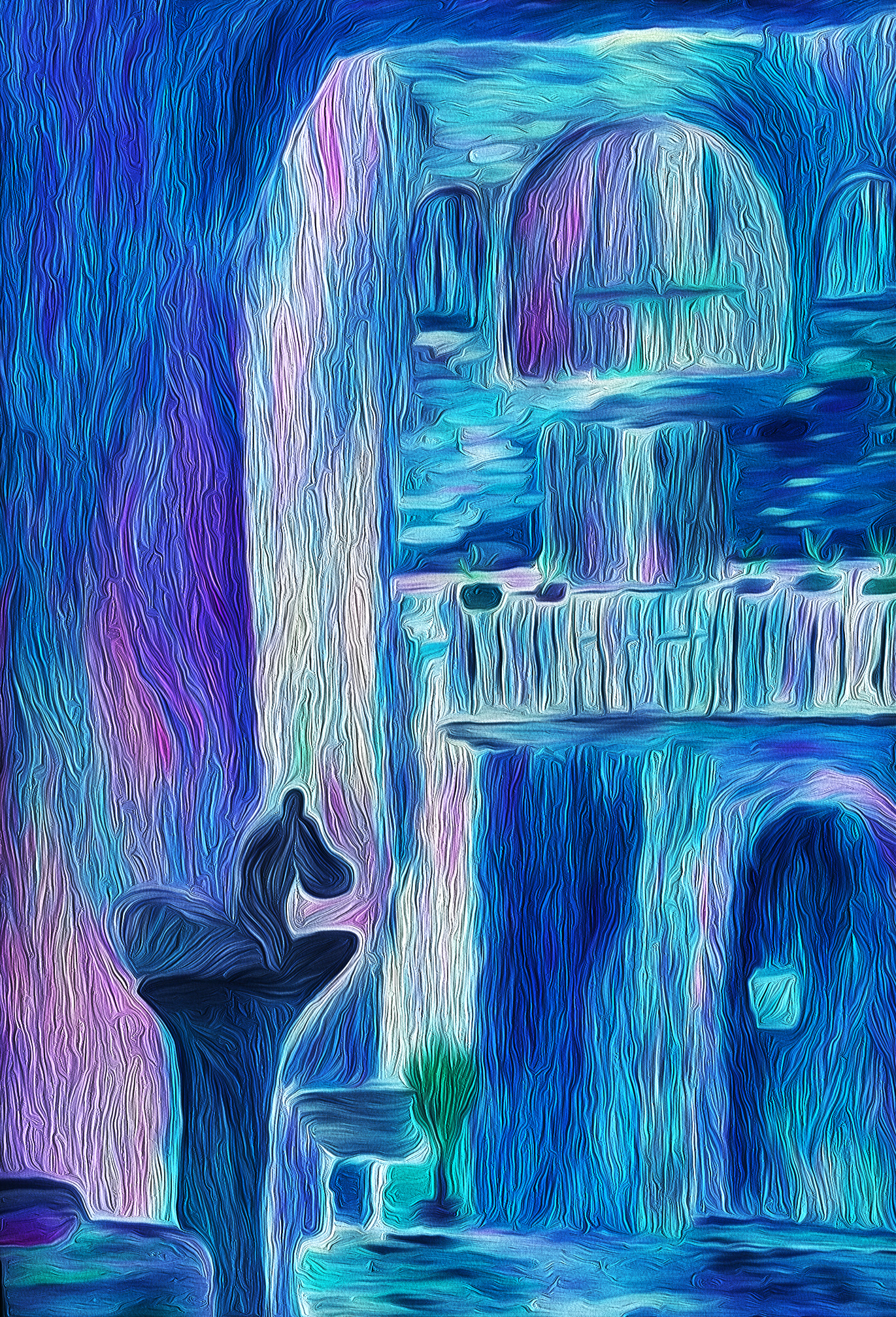
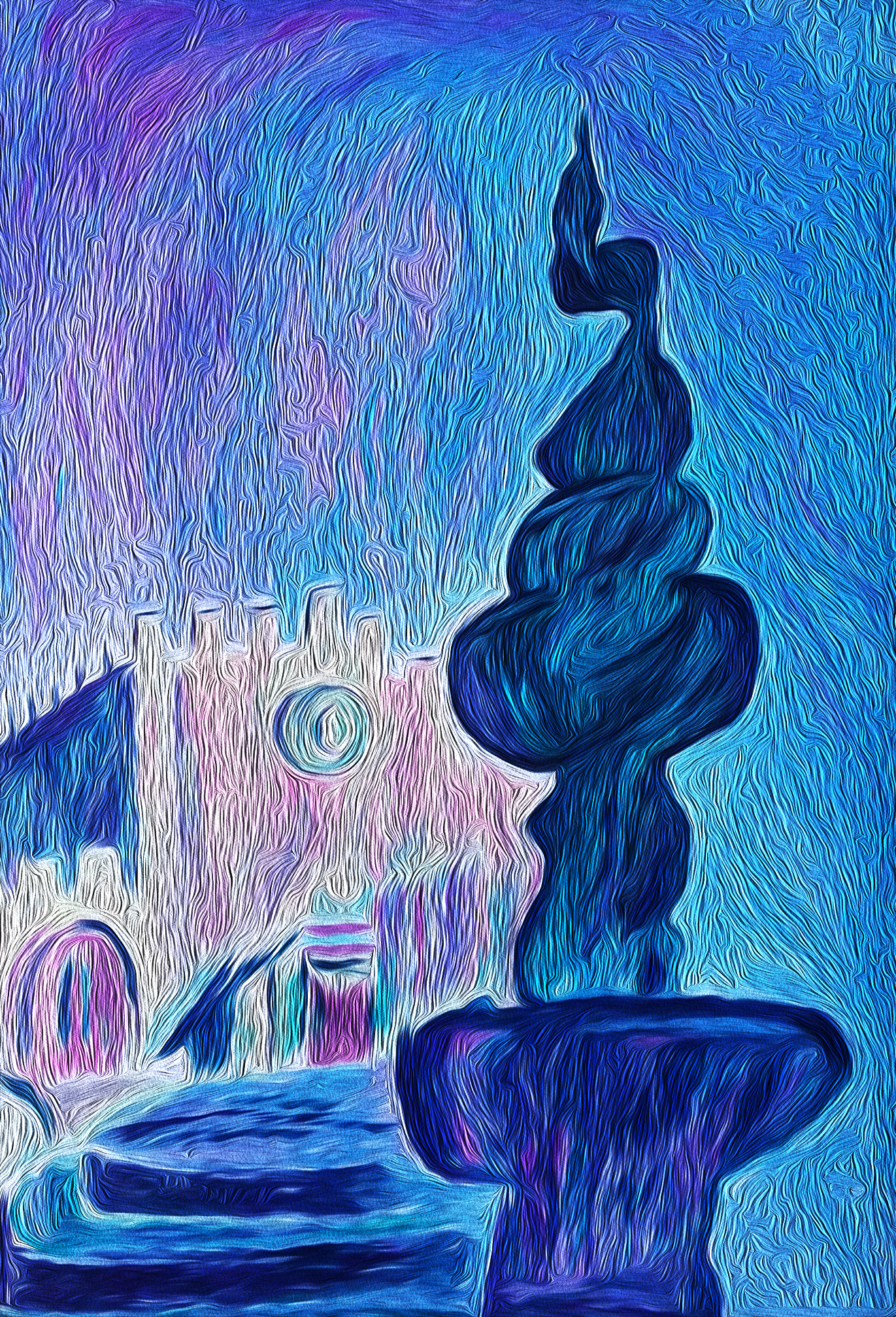
Vincent stumbled unexpectedly into the art world during the summer of 2017 when extenuating circumstances left him stranded and penniless in the streets of Taormina, a tiny seaside village on the scenic Mediterranean coastline of Sicily. It was during this chapter of homelessness that led him to Kamil, a Polish art prodigy whose success and life took a drastic turn when he fell victim to alcoholism and addiction.
Kamil introduced Vincent to street art but gave him something so much more…. A new purpose to life….. From that point on art became an obsession, an intrinsic hunger which constantly calls out for creative expression.
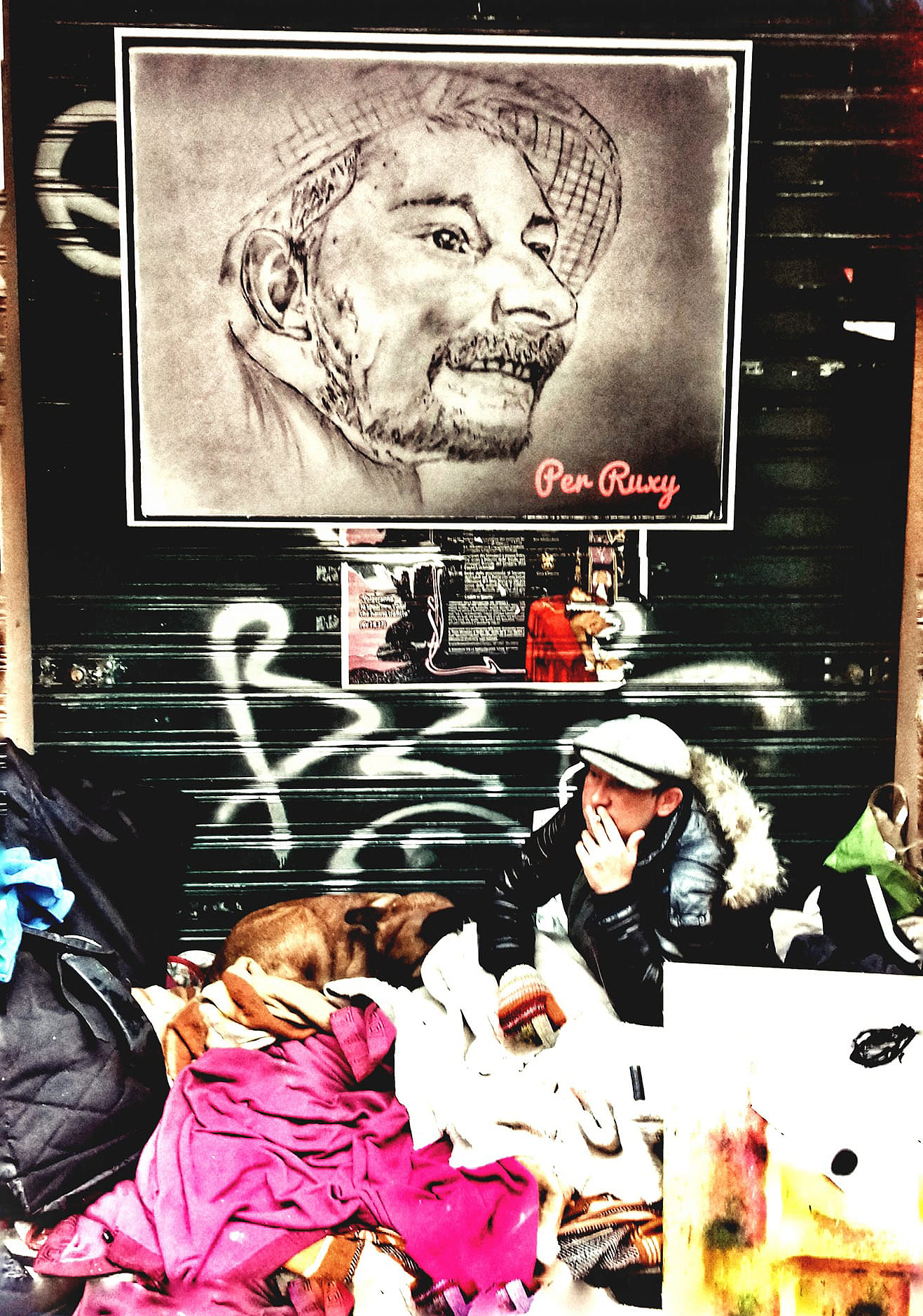
Before the two parted ways, Vincent pasted a portrait that he made of Kamil on the back wall of his home, an abandoned storefront in the village center from where he sleeps and collects change from passerby's. The piece is meant to remind Kamil how much he had changed Vincent’s life and that the two will meet again.
Kamil introduced Vincent to street art but gave him something so much more…. A new purpose to life….. From that point on art became an obsession, an intrinsic hunger which constantly calls out for creative expression.
Before the two parted ways, Vincent pasted a portrait that he made of Kamil on the back wall of his home, an abandoned storefront in the village center from where he sleeps and collects change from passerby's. The piece is meant to remind Kamil how much he had changed Vincent’s life and that the two will meet again.